


Listen to the article
China Concludes Major Military Exercises Off Taiwan Amid Rising Regional Tensions
China’s People’s Liberation Army announced Wednesday it has “successfully completed” a two-day military exercise in waters surrounding Taiwan, concluding what it called “Justice Mission 2025.” The exercises were explicitly designed to assert China’s sovereignty claims over the self-governing island, further escalating tensions in East Asia as the year drew to a close.
Senior Captain Li Xi, spokesperson for the PLA’s Eastern Theater Command, stated that the drills “fully tested the integrated joint operations capabilities” of Chinese troops. In a statement accompanied by martial music, Li emphasized that forces would “keep strengthening combat readiness” to counter what Beijing terms “Taiwan Independence” separatists and external intervention.
The brief military announcement provided few operational details about the exercises, including precisely when they concluded. Earlier communications had indicated the drills would take place Monday and Tuesday, though it remained unclear whether activities continued into Wednesday.
Taiwan has long represented China’s most sensitive territorial issue on the international stage. Beijing maintains that Taiwan is an inalienable part of China and has repeatedly vowed to reunify the island with the mainland, by force if necessary. The current situation dates back to 1949, when Chiang Kai-shek’s Nationalists retreated to the island following their defeat in China’s civil war against Mao Zedong’s communist forces.
In recent years, China has significantly intensified military pressure on Taiwan, sending warplanes and naval vessels near the island almost daily. These operations have grown increasingly sophisticated and comprehensive, with the latest exercises representing a continuation of this aggressive posture.
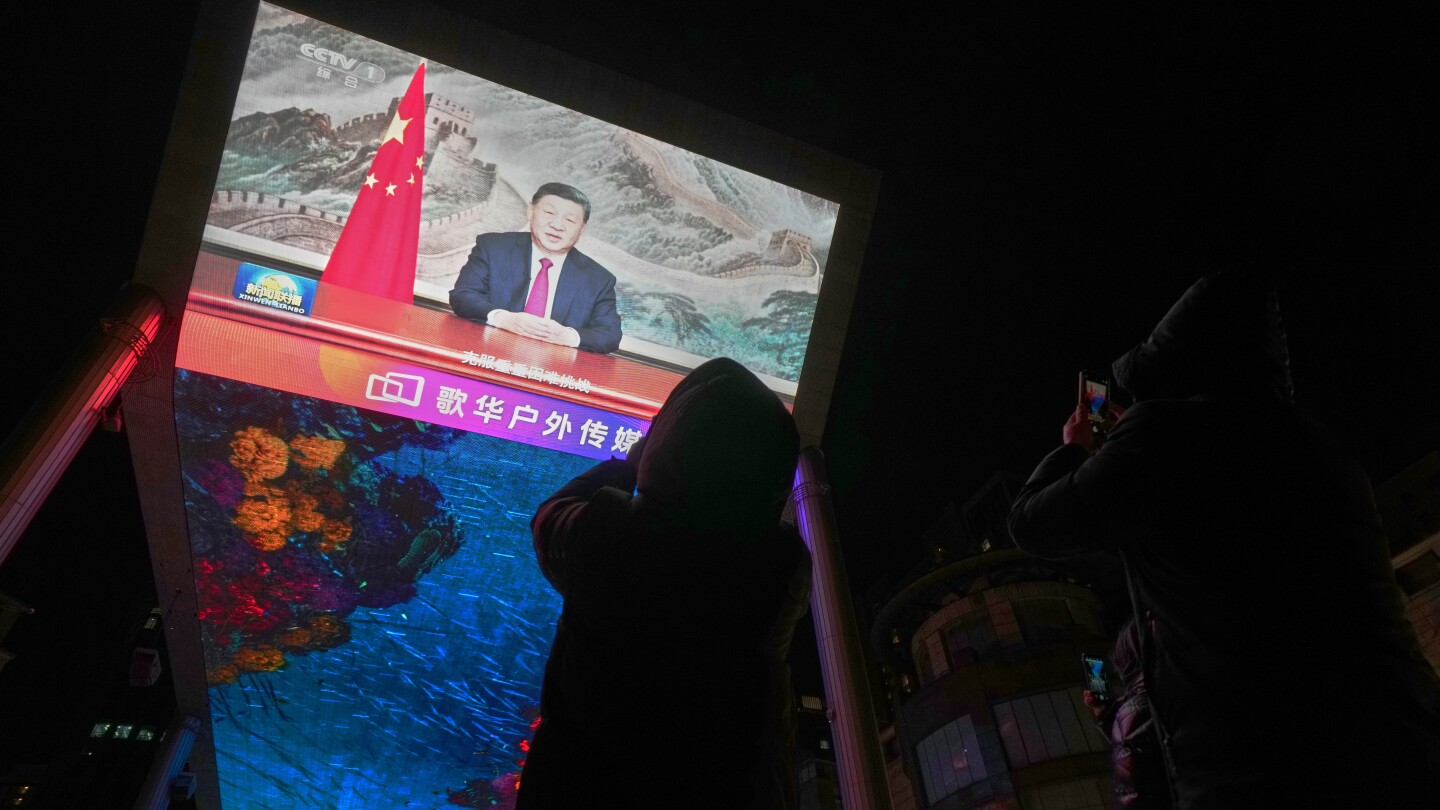
Chinese President Xi Jinping indirectly referenced the Taiwan situation in his New Year’s Eve address, emphasizing that Chinese people across the Taiwan Strait share “a bond of blood and kinship.” Xi asserted that “the reunification of our motherland, a trend of the times, is unstoppable,” reinforcing China’s unwavering position on eventual reunification.
The timing of these exercises appears deliberate, coming just weeks after significant international developments involving Taiwan. In November, Japan’s prime minister stated she would not rule out military intervention if Taiwan faced direct attack by Chinese forces—a position that has particularly irked Beijing given the complex historical relationship between China and Japan.
Japan’s Foreign Ministry responded to the latest drills by expressing concern directly to Beijing, stating that China’s actions “escalate tension in the Taiwan Strait.” The ministry reiterated that “peace and stability in the Taiwan Strait are important for the entire international community” and called for peaceful resolution through dialogue.
Adding to regional complexity, the United States announced in mid-December what could become the largest arms package for Taiwan in history, pending congressional approval. This proposed military aid has drawn sharp criticism from Beijing, which views such support as interference in its internal affairs.
The ripple effects of China’s military posturing extend beyond Taiwan. Philippines Defense Minister Gilberto C. Teodoro Jr. expressed being “deeply concerned” about China’s actions, noting they undermine stability “in an already fragile geopolitical environment.” Teodoro emphasized that these displays of force have implications “that extend beyond cross-Strait relations and into the broader Indo-Pacific community.”
U.S. President Donald Trump downplayed concerns about the exercises, citing his relationship with Xi and noting that China has conducted naval drills in the region for decades.
These military maneuvers reflect China’s increasingly assertive stance in the region and its determination to signal both to Taiwan and international supporters that it will not compromise on what it considers core territorial interests. As regional powers react and adjust their security postures, analysts expect continued military activities around Taiwan to remain a central feature of East Asian geopolitics in the coming year.
Fact Checker
Verify the accuracy of this article using The Disinformation Commission analysis and real-time sources.

10 Comments
It’s concerning to see China flexing its military muscle in this way. Hopefully the situation can be resolved peacefully through diplomatic channels, but the risk of miscalculation is always present in these kinds of standoffs.
The Taiwan Strait is a key maritime chokepoint, so any disruption to shipping or trade flows in the region could have major implications for commodities and energy. Investors will be watching this situation closely.
Absolutely. Tensions in the Taiwan Strait could impact global supply chains and trade routes, which would be a concern for investors in mining, energy, and other commodity-related assets.
Interesting development in the Taiwan Strait. I wonder how the US and its allies will respond to this latest show of force by China. This situation bears close watching as it could escalate regional tensions.
From a commodity/mining perspective, rising US-China tensions could disrupt global supply chains and trade flows, especially for strategic minerals and metals. Investors will be watching this situation closely.
With China and the US vying for influence in the Asia-Pacific, the Taiwan issue remains a flashpoint. Careful diplomacy and de-escalation will be critical to avoid a potentially disastrous military confrontation.
These military exercises by China underline the fragility of the status quo over Taiwan. Policymakers will need to balance deterrence with diplomacy to prevent an unintended clash that could roil global markets.
I’m curious to learn more about the specifics of these military exercises and what capabilities China was seeking to demonstrate. The potential for conflict over Taiwan remains a major geopolitical flashpoint in the Asia-Pacific.
China seems intent on reinforcing its claims over Taiwan through shows of force. However, any miscalculation or escalation could have serious economic and security implications for the region and global markets.
You raise a good point. Geopolitical tensions often have ripple effects on commodity and energy markets. Prudent investors will be monitoring this situation closely.