


Listen to the article
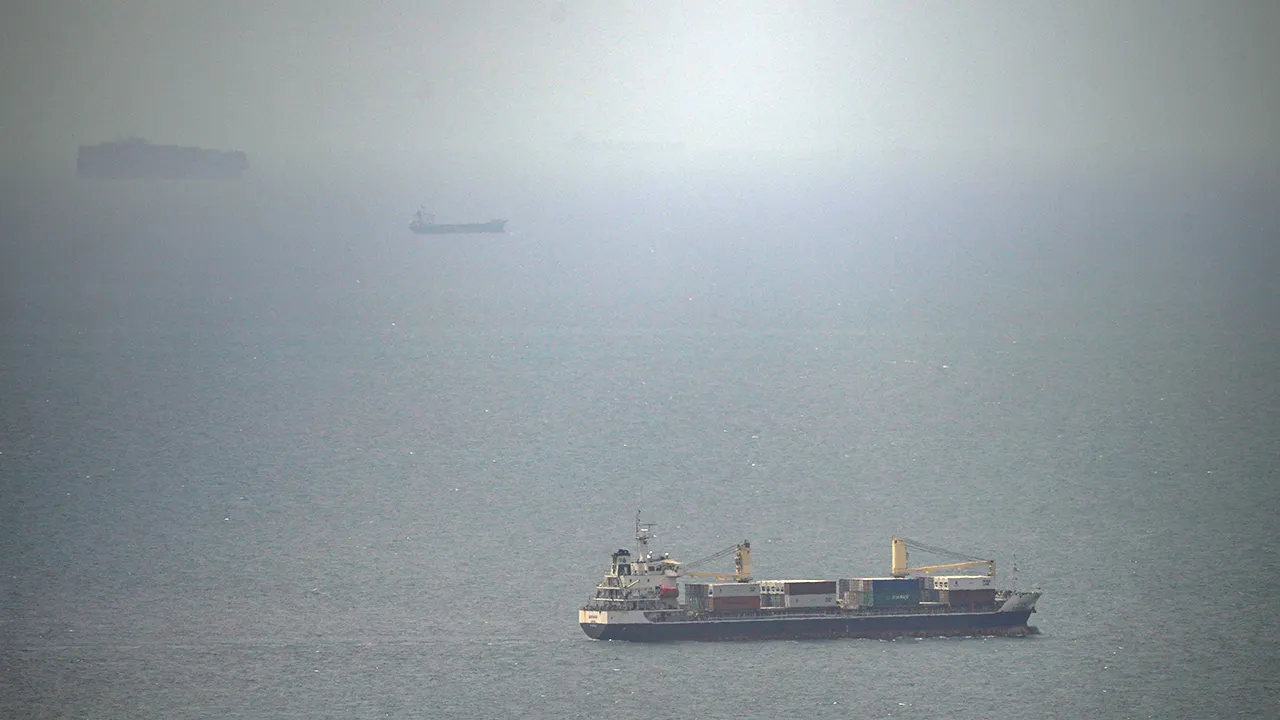
A cargo ship was attacked by multiple small vessels while passing near the Strait of Hormuz on Sunday, approximately 11 nautical miles west of Sirik, Iran, according to the United Kingdom Maritime Trade Operations (UKMTO) center. The crew of the northbound bulk carrier reported no injuries, and officials confirmed no environmental damage had occurred. The UKMTO has advised all vessels in the area to exercise caution and report any suspicious activities.
This incident unfolds against a backdrop of escalating tensions in one of the world’s most strategically vital maritime passages. Iran has recently advanced a peace proposal to the United States that includes provisions asserting Tehran’s authority over the strait. Ali Nikzad, deputy speaker of Iran’s parliament, made Iran’s position clear on Sunday, stating: “What is certain is that we will not step back from the Strait of Hormuz, and it will not return to its pre-war state.”
The location of the attack is particularly significant in terms of international maritime law. While territorial waters typically extend 12 nautical miles from a nation’s coastline, the United Nations Convention on the Law of the Sea permits foreign vessels “innocent passage” through these waters, provided they aren’t engaged in threatening activities, fishing, or other prohibited behaviors.
No organization has claimed responsibility for the attack, and authorities have not publicly identified the targeted vessel. However, Iran has a documented history of using fast-attack boats to harass or seize vessels traversing the strait and surrounding waters. Sunday’s incident is part of a larger pattern of maritime confrontations in the region amid ongoing conflicts involving Iran, the United States, and Israel, with commercial shipping frequently caught in the crossfire.
The U.S. military has maintained a naval blockade in the Strait of Hormuz, continuing enforcement even during ceasefire periods. This blockade represents a significant element of economic pressure on Iran, with reports indicating millions in oil revenue have been effectively blocked through these operations.
President Donald Trump has reportedly hardened his stance toward Iran, finding their recent peace proposal insufficient. This development coincides with the UK military’s confirmation of the attack near the Strait of Hormuz, suggesting a potential escalation in the region’s volatile dynamics.
The Strait of Hormuz itself cannot be overstated in its global importance. Connecting the Persian Gulf with the Gulf of Oman, it serves as a critical route for global energy shipments. The U.S. Energy Information Administration has designated it a “critical oil chokepoint,” with approximately one-fifth of global petroleum liquids consumption passing through the strait in recent years.
Iran’s attempt to assert control over this vital passage has profound implications for global energy markets. Any disruption to shipping through the Strait of Hormuz could trigger significant price volatility in oil markets and potentially disrupt supply chains worldwide. The strait’s narrow width—only about 21 miles at its narrowest point—makes it particularly vulnerable to blockades or military actions.
For shipping companies, the increasing frequency of attacks in this region presents significant challenges. Many vessels have been forced to take longer, more expensive routes to avoid the strait entirely, while others must account for higher insurance premiums and security costs when transiting the area.
As investigations into Sunday’s attack continue, the international community remains on alert for any signs of further escalation in this critical maritime zone. The UKMTO has not specified whether the attacking craft were Iranian, leaving open questions about responsibility as authorities proceed with their investigation.
Fact Checker
Verify the accuracy of this article using The Disinformation Commission analysis and real-time sources.

14 Comments
While the details are still emerging, this incident underscores the ongoing risks to maritime security in the Strait of Hormuz. Protecting global trade routes and energy supply chains in this strategic chokepoint will require vigilance, coordination, and a commitment to upholding international law.
Absolutely. The security of the Strait of Hormuz is of vital importance, not just for the countries in the region, but for the global economy as a whole. Finding ways to enhance maritime security and de-escalate tensions should be a top priority for policymakers.
I’m curious to know if this attack is part of a broader pattern of harassment or if it was an isolated incident. The Strait of Hormuz is a flashpoint, and any disruption to shipping could have serious geopolitical and economic consequences. Careful monitoring and diplomatic engagement will be crucial going forward.
That’s a good point. Understanding the context and potential drivers behind this attack is important. Maintaining open lines of communication and finding ways to de-escalate tensions in the region should be a priority for all stakeholders.
The Strait of Hormuz is a geopolitical flashpoint, and incidents like this have the potential to escalate tensions and disrupt global trade. I’m curious to learn more about the motivations behind this attack and whether it’s part of a broader pattern of aggression in the region.
Agreed. Understanding the context and potential drivers behind this incident is crucial. Maintaining open communication and finding diplomatic solutions to enhance maritime security in the Strait of Hormuz should be a key focus for policymakers and stakeholders.
This attack is a concerning development, especially given the Strait of Hormuz’s status as a critical global trade route. Maintaining the free flow of commerce through this strategic chokepoint is essential. I hope the authorities can quickly determine the facts and take appropriate measures to prevent further incidents.
You make an important point. The Strait of Hormuz is a vital maritime gateway, and any disruption to shipping in this area can have far-reaching consequences. Ensuring the safety and security of commercial vessels transiting the region should be a top priority for the international community.
This is a concerning incident in a strategic maritime chokepoint. Attacks on commercial ships raise tensions and could disrupt critical global trade routes. I’m curious to know more details about the vessels involved and the circumstances surrounding the attack.
Yes, the Strait of Hormuz is a vital global trade corridor. Ensuring safe passage for commercial shipping is crucial. I hope the authorities can quickly determine the facts and take appropriate measures to prevent further incidents.
This attack underscores the fragility of global supply chains. Disruptions to shipping in the Strait of Hormuz could have far-reaching economic consequences, especially for commodities and energy markets. Vigilance and international cooperation are needed to safeguard critical maritime infrastructure.
You’re right, the potential impact on global trade and energy markets is concerning. Maintaining the security and reliability of maritime chokepoints like the Strait of Hormuz is vital for the health of the worldwide economy.
Iran’s assertive stance over the Strait of Hormuz is troubling. Unilateral claims over international waterways could lead to dangerous escalations. A peaceful, rules-based resolution is needed to safeguard freedom of navigation in this strategic chokepoint.
Agreed. Respecting international maritime law and norms is essential to maintain stability in the region. I hope diplomacy can prevail over unilateral actions that risk destabilizing one of the world’s most important trade routes.