


Listen to the article
Canada Loses Measles Elimination Status as Virus Resurges Across Americas
Canada has lost its measles elimination status after international health experts confirmed ongoing outbreaks have allowed the highly contagious virus to spread continuously within the country for more than a year. This marks a significant setback in the battle against a preventable disease that had been effectively controlled through vaccination campaigns.
The country has reported 5,138 measles cases this year and two deaths – both infants who were exposed to the virus in utero and born prematurely. The Pan American Health Organization (PAHO) made the determination after analyzing data showing the virus has maintained continuous transmission chains for over 12 months.
“It’s a deeply disheartening development. It’s a deeply worrisome development. And, frankly, it’s an embarrassing development,” said Jennifer Nuzzo, an infectious disease expert at Brown University. “No country with the amount of resources of Canada – or other countries in North America even – should lose their measles elimination status.”
Canada had achieved measles elimination in 1998, following years of successful vaccination campaigns. The United States followed in 2000, and by 2016, the Americas became the first region in the world declared free of measles. Health officials estimate the measles vaccine prevented 6.2 million deaths in the Americas between 2000 and 2023.
However, vaccination rates have since fallen below the critical 95% coverage threshold needed to maintain herd immunity and prevent outbreaks. Large outbreaks in Venezuela and Brazil in 2018 and 2019 initially cost the region its elimination status. While the Americas briefly reclaimed this status in 2024, Canada’s current situation has once again reversed this achievement.
“As a region, we have eliminated measles twice,” said Dr. Jarbas Barbosa, director of PAHO, during a Monday briefing. “We can do it a third time.”
The United States may soon follow Canada in losing its elimination status. The U.S. is currently battling multiple outbreaks, including 34 cases in South Carolina and over 150 cases since mid-August in communities along the Arizona-Utah border. A major outbreak earlier this year across Texas, New Mexico, and Oklahoma sickened nearly 900 people and killed three before being contained.
The CDC has confirmed 1,681 measles cases and 44 outbreaks this year, making 2023 the worst year for measles in the United States in over three decades. Only nine states remain without confirmed cases.
Mexico is also experiencing a severe outbreak, particularly in Chihuahua, where health officials have reported 4,430 cases and 21 deaths as of last week. Genetic analysis shows the measles strains spreading in Canada match those in the Texas and Chihuahua outbreaks.
Many of these outbreaks have affected Mennonite Christian communities with migration patterns tracing from Canada to Mexico to Texas. In August, officials reported that Mennonite communities in Belize, Argentina, Bolivia, Brazil, and Paraguay had outbreaks of the same measles virus strain.
While Mennonite churches do not formally discourage vaccination, more conservative Mennonite communities historically have low vaccination rates and distrust of government authorities. However, experts note that religious prohibition isn’t typically the driving factor.
“It’s not a religious prohibition in most of these cases,” Nuzzo explained. “It is just people being, perhaps, distrustful of authorities, but also preyed upon by these anti-vaccine influencers who profit off of the fears that some people may have.”
Measles typically begins with a high fever followed by a characteristic rash starting on the face and neck. While most people recover, measles remains one of the leading causes of death among young children globally. Serious complications, including blindness and brain swelling, are more common in young children and adults over 30.
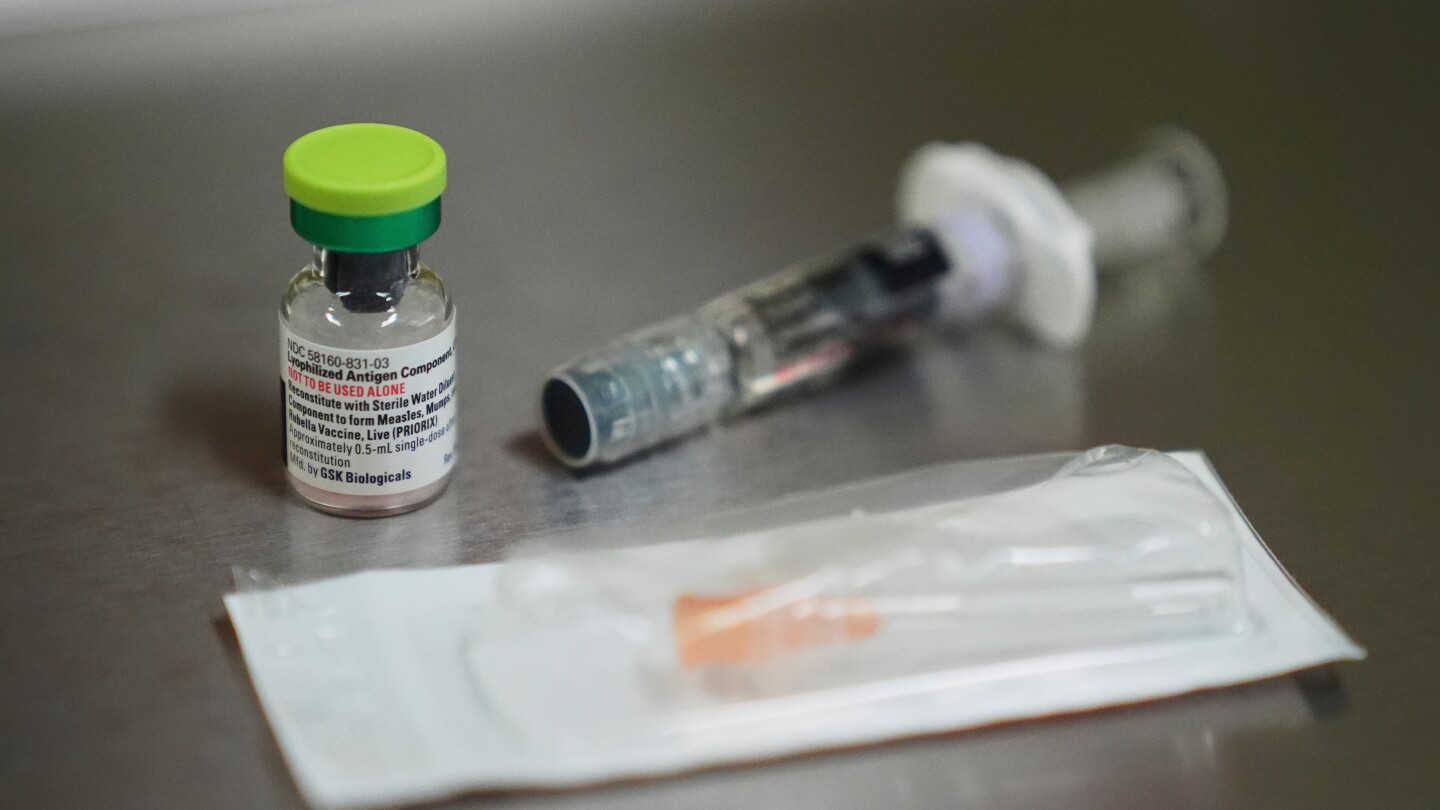
The virus is extremely contagious, with one infected person able to spread it to up to 90% of unprotected close contacts. The measles vaccine provides 97% protection after two doses, making vaccination the most effective prevention strategy.
Canadian health officials stated they are working with government and community partners to improve vaccination coverage, enhance data sharing, and provide evidence-based guidance to regain the country’s elimination status.
In the broader region, PAHO has confirmed nearly 12,600 cases across 10 countries this year – a 30-fold increase from 2024. Despite a regional vaccination rate of 79% in 2024, an improvement from previous years, coverage remains well below the target needed to prevent outbreaks.
Fact Checker
Verify the accuracy of this article using The Disinformation Commission analysis and real-time sources.

16 Comments
This is a disappointing development. Measles elimination is an important public health milestone, and Canada had achieved that status. Losing it shows how quickly things can unravel if vaccination rates drop. I hope Canada is able to quickly get a handle on this situation and regain its elimination status.
Agreed, it’s a real setback. Canada will need to act swiftly to understand the factors contributing to the resurgence and implement effective interventions to boost vaccination rates and stop the ongoing outbreaks.
Losing measles elimination status is a major public health failure for Canada. As a developed country with ample resources, they should be able to maintain high vaccination rates and prevent this kind of resurgence. This is a wake-up call that more needs to be done to educate the public and ensure access to vaccines.
Absolutely. Canada has the means to control measles, so this development is very concerning. They’ll need to investigate the root causes and take decisive action to regain their elimination status and protect their population, especially vulnerable groups like infants and immunocompromised individuals.
It’s surprising to see a developed country like Canada lose its measles elimination status. This highlights how important sustained vaccination efforts are to keep these preventable diseases at bay. Hopefully they can get the situation under control soon.
Absolutely. Maintaining high vaccination rates is key to preventing measles outbreaks. Canada will need to closely examine what factors led to this resurgence and address them quickly.
Measles is a highly contagious disease that can have serious complications, especially for young children and infants. It’s concerning to see Canada lose its elimination status after making such great strides in the past. This underscores how important it is to maintain high vaccination rates to protect public health.
You’re right, this is a real setback. Canada will need to thoroughly investigate the reasons behind the resurgence and implement robust strategies to get vaccination coverage back up to the levels needed to achieve elimination again.
This is really disappointing news. Canada had made such great progress in controlling measles, and now all that hard work is at risk. I hope they’re able to quickly identify the root causes and implement effective strategies to get vaccination rates back up and stop the outbreaks.
Absolutely. Regaining measles elimination status needs to be a top priority for Canada’s public health authorities. They’ll need to work closely with communities to address any barriers to vaccination and restore confidence.
This is really concerning. Losing measles elimination status is a major setback, especially for a developed country like Canada. Vaccination campaigns have been so crucial in controlling this highly contagious virus. What more can be done to improve vaccination rates and prevent further outbreaks?
Agreed, it’s a troubling development. Canada needs to redouble its efforts on public health education and improving access to vaccines to regain this important status.
Losing measles elimination status is a real wake-up call. Canada needs to understand what drove the drop in vaccination rates and take strong action to reverse this trend. Measles is a serious illness that can have long-term health impacts, especially for young children.
You’re right, this is a serious public health issue that requires urgent attention. Vaccination hesitancy is a growing problem that Canada will have to tackle head-on to regain its measles elimination status.
Measles outbreaks are no joke – they can have devastating consequences, especially for vulnerable populations. I hope Canada is able to quickly get a handle on this situation and work to restore its measles elimination status.
Yes, it’s critical that Canada acts swiftly to contain these outbreaks. Measles elimination is a public health milestone, and losing that status is a real setback.