


Listen to the article
U.S. oil tanker seizure highlights trans-Atlantic tensions under Trump administration
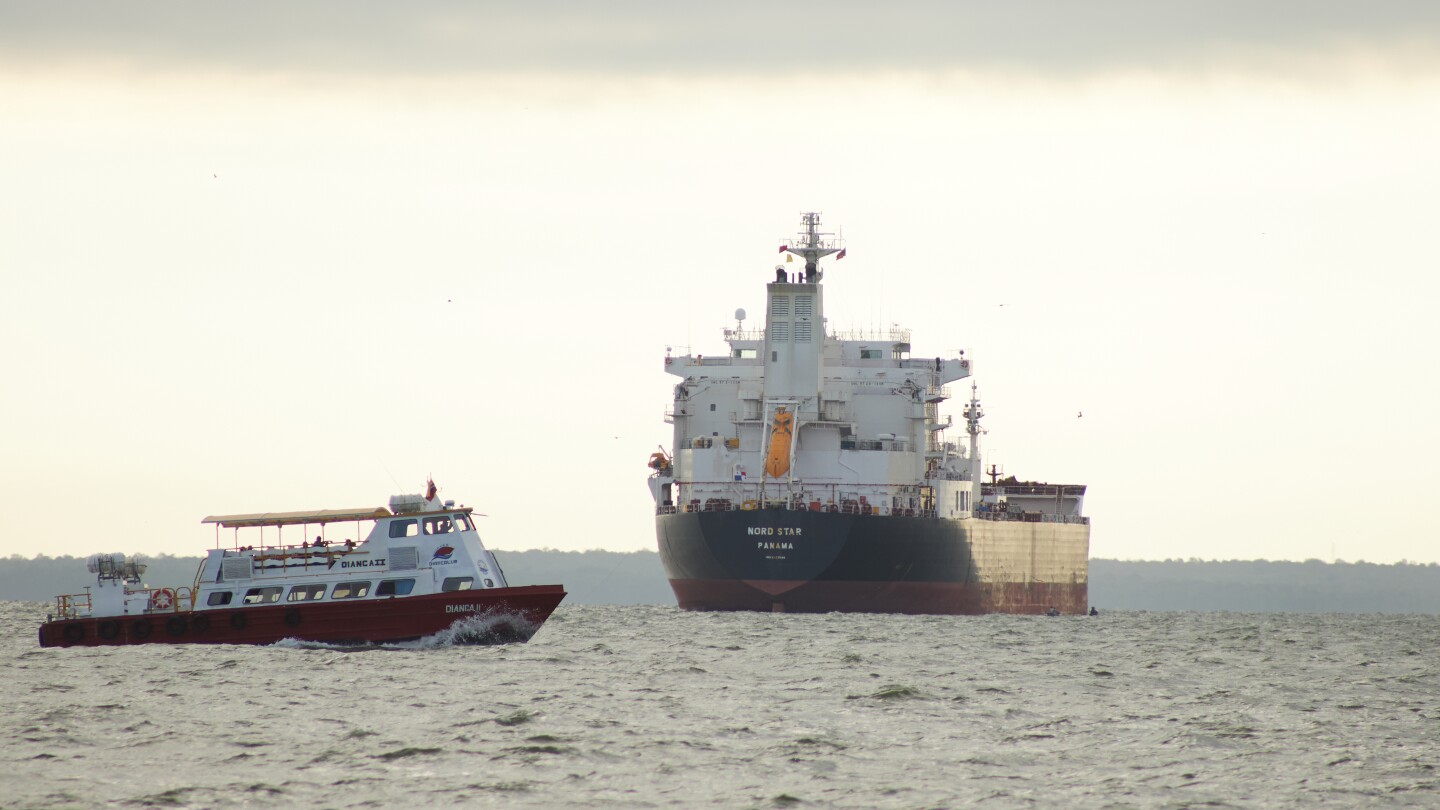
The recent U.S. seizure of a Venezuela-linked oil tanker in the North Atlantic has sparked divergent interpretations of American foreign policy intentions, with Britain framing the operation as an example of successful trans-Atlantic cooperation while others view it as unilateral American action with little regard for international perspectives.
British officials have positioned the interception of the vessel Bella 1, conducted by American special forces with British sea and air support, as evidence that Prime Minister Keir Starmer’s diplomatic outreach to the Trump administration is yielding tangible results. The operation comes alongside U.S. pledges of security guarantees for Ukraine, which the U.K. government portrays as vindication of Starmer’s efforts to maintain America’s commitment to its European allies.
“We owe it to Ukrainians to step up on these shadow operations, and we are,” Defense Secretary John Healey told British lawmakers during a debriefing on the ship seizure. Healey emphasized that the interception targeted the “shadow fleet” of tankers used by Russia and Iran to circumvent international oil sanctions.
Healey added that NATO “is stronger now, larger now and more united now” than ever before, reinforcing the narrative of ongoing solidarity between the United States and its allies despite broader concerns about the Trump administration’s foreign policy direction.
However, skepticism remains about whether these collaborative moments represent the true trajectory of U.S.-European relations. “The U.K. is trying hard to find positive things to say about all this,” noted Bronwen Maddox, director of international affairs think-tank Chatham House. “The tanker gives governments like Keir Starmer’s a way to support the U.S. without supporting everything it’s doing.”
The operation comes amid a series of controversial U.S. actions that have strained relations with European partners, including the capture of Venezuelan President Nicolás Maduro, Trump’s renewed interest in acquiring Greenland from Denmark, tariffs imposed on trading partners, withdrawal from international organizations, and critical comments about NATO.
French President Emmanuel Macron expressed concern on Thursday that the United States is “gradually turning away from some of its allies and freeing itself from the international rules,” highlighting the growing unease among European leaders.
Despite these tensions, Starmer has maintained a deliberately positive approach toward the Trump administration. The center-left prime minister has refrained from criticizing Trump’s attacks on London Mayor Sadiq Khan, the president’s $10 billion lawsuit against the BBC, and controversial U.S. foreign policy moves.
Starmer’s diplomatic strategy reflects a pragmatic recognition of Britain’s security and economic dependence on the United States, particularly following Brexit. “It’s very tactical on the part of the U.K.,” explained Leslie Vinjamuri, president of the Chicago Council on Global Affairs. “Grab the United States where you can to demonstrate that you’re on the same page, that you are useful. That’s pragmatic politics. That’s realism.”
Yet some issues have forced Starmer into opposition with Trump. The president’s insistence that acquiring Greenland is essential for U.S. security has prompted Starmer to state repeatedly that “only Greenland and the Kingdom of Denmark” can determine the island’s future. According to Downing Street, Starmer reiterated this position during a call with Trump on Wednesday.
Maddox warns that Trump’s proposal “to seize the sovereign territory of a European country, a NATO member” may ultimately make Starmer’s careful diplomatic balancing act “not just ridiculous but self-defeating.”
The ongoing tensions highlight the complex challenges European nations face in maintaining productive relationships with an unpredictable U.S. administration while upholding international norms and their own strategic interests. As Trump begins his second term, the seizure of the Venezuelan tanker represents just one example of the delicate diplomatic dance that allies must perform to preserve essential security and economic partnerships without abandoning core principles.
Fact Checker
Verify the accuracy of this article using The Disinformation Commission analysis and real-time sources.

13 Comments
This tanker seizure highlights the complex interplay of security, diplomacy, and geopolitics in the Atlantic region. While it’s positive to see trans-Atlantic cooperation, the underlying tensions over Greenland are a sobering reminder of the challenges ahead.
Absolutely. The geopolitical dynamics in the Arctic are evolving rapidly, and the U.S. and its allies will need to find ways to balance their respective interests and concerns in order to maintain stability and security in the region.
The Trump administration’s unilateral actions have strained trans-Atlantic relations in the past. While this tanker seizure is a positive example of cooperation, it’s important to ensure such operations are conducted with full respect for international law and allies’ concerns.
Interesting to see how the U.K. is positioning this tanker seizure as a success for its diplomatic outreach to the Trump administration. However, the tensions over Greenland are a reminder that the geopolitical dynamics in the Atlantic are constantly shifting and require careful navigation.
You’re right, the situation in Greenland highlights the broader geopolitical complexities at play. The U.S. and its allies will need to find ways to balance their security interests with respect for sovereignty and environmental concerns in the Arctic region.
The tensions over Greenland are a reminder that the geopolitics of the Arctic are in flux. While the tanker seizure may be a tactical win, it’s crucial that the U.S. and its allies approach these issues with a long-term, strategic view that prioritizes stability and cooperation.
The tanker seizure is a complex issue with divergent interpretations. While it may be a tactical win for trans-Atlantic security cooperation, the underlying tensions over Greenland and broader geopolitical dynamics in the region remain a concern.
This tanker seizure underscores the importance of maintaining strong trans-Atlantic ties, even as geopolitical tensions flare up in other areas like Greenland. Careful, nuanced diplomacy will be key to navigating these delicate issues.
Well said. The Atlantic region is becoming an increasingly important strategic battleground, and the U.S. and its allies will need to find ways to cooperate effectively while also respecting each other’s interests and concerns.
The seizure of the Venezuela-linked tanker is certainly a win for security cooperation, but the tensions over Greenland are worrying. The Arctic region is becoming an increasingly important geopolitical battleground that requires nuanced diplomacy.
Absolutely. The Arctic is a delicate and complex environment, both geopolitically and environmentally. Balancing economic interests, environmental protection, and geopolitical concerns will be a major challenge for all stakeholders in the region.
This tanker seizure highlights the complex geopolitical tensions in the Atlantic. It’s good to see trans-Atlantic cooperation, but the divergent perspectives on American unilateralism are concerning. Careful diplomacy will be crucial to navigate these issues.
You raise a good point. The U.S. needs to balance its security interests with respecting international norms and allies’ concerns. Striking that balance will be challenging but important for maintaining stability in the region.