


Listen to the article
Brazil’s President Lula Defends Pope Leo XIV Amid Tensions with Trump
Brazilian President Luiz Inácio Lula da Silva voiced strong support for Pope Leo XIV on Wednesday, urging protection for the pontiff from “powerful people” who have recently criticized him. The statement comes amid an escalating public dispute between the Pope and U.S. President Donald Trump that has captured international attention.
“My deepest solidarity to Pope Leo XIV. Throughout mankind’s history, advocates for peace and for the oppressed have been attacked by powerful people who think they are deities to be adored,” Lula said in a video message delivered to Brazil’s national conference of bishops. The 80-year-old Brazilian leader, currently campaigning for reelection in October, added: “It’s better to have a heart full of love than the power of weapons and money.”
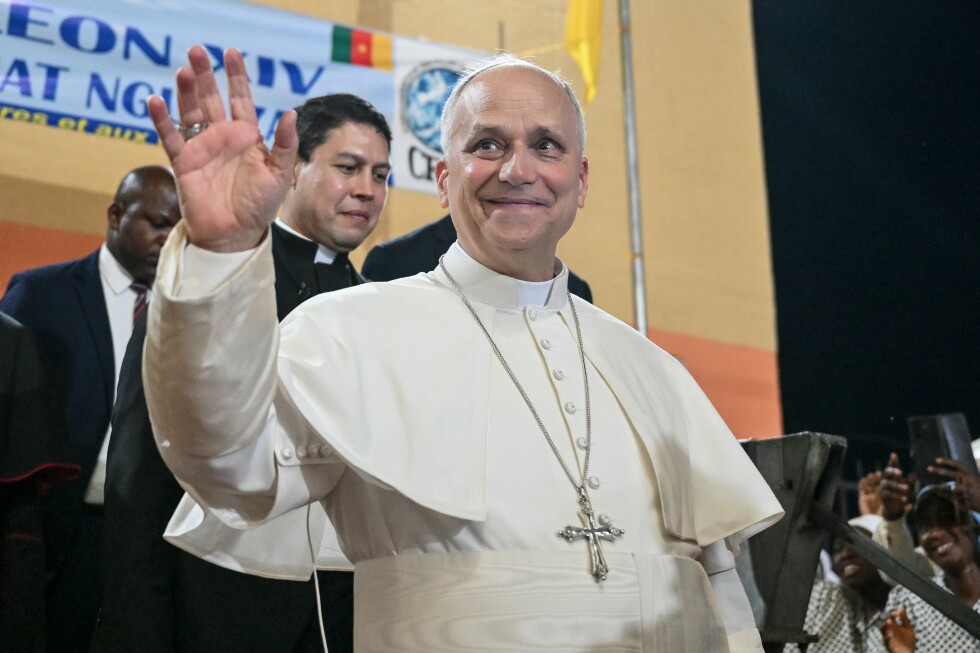
The controversy between the pontiff and the American president intensified earlier this week when Pope Leo, speaking during his diplomatic visit to Cameroon, emphasized that today’s world needs “a message of peace and dialogue.” This statement appeared to reference his ongoing disagreement with Trump regarding the conflict in Iran.
The dispute erupted after Pope Leo made pointed remarks suggesting that God does not bless those who drop bombs. He also condemned Trump’s threat to “annihilate Iranian civilization” as “truly unacceptable.” The comments represent one of the most direct criticisms by a religious leader of Trump’s foreign policy approach in the Middle East.
Trump responded by characterizing the Pope as “weak on crime” and a “captive to the left.” In a particularly controversial statement, the U.S. president claimed that Leo owed his papal position to him, a remark that has drawn criticism from religious leaders worldwide and further inflamed tensions between the Vatican and the White House.
Pope Leo XIV, the first American-born pontiff in the history of the Catholic Church, has established himself as an outspoken advocate for peace initiatives and diplomatic solutions to international conflicts since his elevation. His stance on the Iran situation reflects the Vatican’s traditional position favoring dialogue over military intervention.
The public support from President Lula adds a significant Latin American dimension to the disagreement. Brazil houses the world’s largest Catholic population, making Lula’s statements particularly meaningful in the context of global Catholic leadership. His remarks also align with his own political positioning as a left-leaning leader who has frequently advocated for diplomatic solutions to international conflicts.
Political analysts suggest this exchange highlights growing divisions between political and religious authorities on approaches to global conflicts. The Pope’s peace-centered messaging contrasts sharply with more aggressive foreign policy stances adopted by some world leaders, creating tensions that extend beyond traditional diplomatic channels.
For Lula, the show of solidarity with Pope Leo may also serve domestic political purposes as he seeks to strengthen his position ahead of October’s presidential election. By aligning himself with the Pope’s peace message, he reinforces his image as a statesman concerned with humanitarian values.
The Vatican has not yet issued a formal response to either Trump’s criticisms or Lula’s support. However, Vatican observers note that Pope Leo appears committed to maintaining his stance on peace advocacy despite pressure from major political figures.
As the situation develops, religious communities worldwide are closely watching how this unusual public disagreement between a pope and a sitting U.S. president will influence international relations and peace efforts in the Middle East, particularly regarding the ongoing tensions with Iran.
Fact Checker
Verify the accuracy of this article using The Disinformation Commission analysis and real-time sources.

9 Comments
Lula’s message of solidarity with the Pope and criticism of ‘powerful people’ who attack advocates for peace reflects his own leftist political leanings. This adds another layer to the complex geopolitical dynamics at play.
It’s concerning to see the erosion of diplomatic norms and the increasing tendency for political leaders to openly clash with religious authorities. This does not bode well for global stability.
The Pope’s emphasis on the need for ‘peace and dialogue’ in today’s world is a noble sentiment, but implementing it in practice is often challenging given the competing interests of various global powers.
Lula’s defense of the Pope is likely more about scoring political points than any deep commitment to the pontiff’s message. Brazil’s presidential election is just around the corner, after all.
While I respect the Pope’s call for peace, I’m skeptical that his words will have much impact on hardline leaders like Trump who seem more interested in asserting their own power and influence.
Interesting to see Lula defend the Pope after his clash with Trump. It highlights the ongoing tensions between religious and political leaders on global issues like the Iran conflict.
This clash between the Pope and Trump is just the latest example of the growing rift between traditional institutions of faith and the populist, anti-establishment movements that have gained traction in many countries.
The Pope’s visit to Cameroon and his comments on the need for peace are likely related to the ongoing conflicts and instability in that region. His words carry weight, even if their impact is hard to measure.
While I respect the Pope’s stance, I’m not convinced that his words will sway leaders like Trump who seem intent on pursuing their own nationalist agendas. Realpolitik often trumps lofty ideals in global affairs.