


Listen to the article
Navigating a ‘Ball of Fire’: Iraqi Captain Endures Perilous Waters Amid Regional Conflict
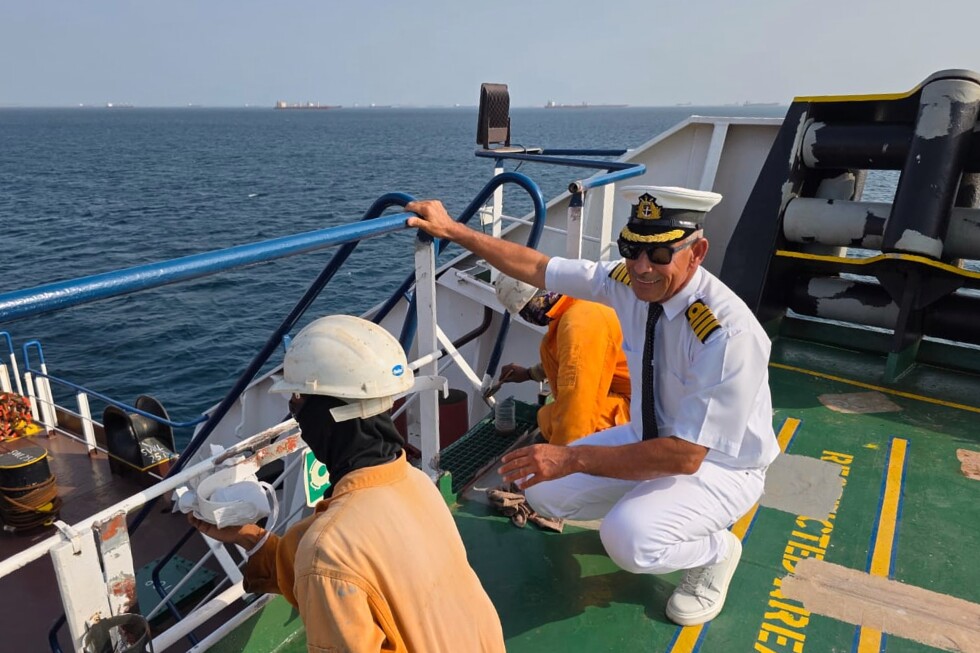
Aboard an oil tanker sailing between the Gulf of Oman and the Strait of Hormuz, Iraqi Captain Rahman Al-Jubouri continues his work in one of the world’s most volatile maritime corridors, where escalating tensions between U.S.-Israel and Iran have severely disrupted global trade and exposed shipping crews to attacks.
For Al-Jubouri, a veteran sailor with nearly four decades of experience at sea, the current hostilities represent yet another chapter in a career marked by regional conflicts. Having worked since 1984, he has navigated through the Iran-Iraq War and the 1991 Gulf War. Now, he finds himself once again operating in high-risk waters.
“Work has become a real risk; we don’t know when we might be bombed. We’re sailing over a ball of fire,” Al-Jubouri told The Associated Press by phone from the Palau-flagged Sea Moon, where he has been stationed for four months. His vessel is currently transiting from the Gulf of Aden toward the Gulf of Oman to deliver oil to Yemen’s Ras Isa port.
The ongoing regional conflict has placed commercial vessels like his directly in the crossfire of hostilities between Washington and Tehran. The strategic Strait of Hormuz, through which approximately 20% of global oil passes, has become a focal point of tensions. Iranian forces and allied groups have targeted several tankers, while intermittent threats to close the strait have resulted in vessels being delayed, rerouted, or stranded in the Gulf.
The situation intensified Sunday when American military forces seized an Iranian-flagged cargo ship attempting to circumvent the naval blockade near the strait. This marked the first such interception since the U.S. began blocking Iranian ports last week, further escalating the maritime standoff.
To mitigate risks, Al-Jubouri’s crew conducts regular safety drills preparing for potential attacks. “We’ve trained them on how to respond if the ship comes under fire, God forbid,” he explained, drawing on hard-earned experience.
Last year, while docked at a Yemeni port, his vessel came under direct bombardment. “I immediately cut the ropes, prepared the engines, and left the port at my own risk to protect the crew and the ship,” he recounted. Though shrapnel struck the tanker as it pulled away, causing minor damage, the quick-thinking captain managed to get his crew to safety. Despite the close call, operational demands eventually required the vessel to return to its planned route.
The constant danger has taken its toll on staffing. Al-Jubouri’s crew has dwindled from 27 sailors to just 17, with fear driving many to seek safer employment. Those who remain face not only physical threats but significant psychological strain.
For Al-Jubouri, four months at sea means four months away from family, creating an emotional burden heightened by the surrounding conflict. “We suffer from being away from our families and our homelands,” he said. While internet access allows some connection with loved ones, the distance feels particularly acute during times of war.
Maritime industry analysts note that the situation in the Persian Gulf represents one of the most significant threats to global shipping in decades. The combined impact of the Houthi attacks in the Red Sea and the Iranian tensions in the Strait of Hormuz has forced shipping companies to recalculate routes, leading to higher insurance premiums and transportation costs that ultimately affect global supply chains.
Despite these challenges, basic supplies for Al-Jubouri’s vessel remain steady. The crew continues to receive regular replenishments of food and bottled water during port calls, with no major shortages reported thus far.
Al-Jubouri credits his four decades of maritime experience for his ability to adapt under extreme pressure. His story highlights the often-overlooked human element in global shipping – the resilience of crews who continue to transport essential goods through perilous waters despite mounting personal risks.
As geopolitical tensions show little sign of easing in the region, captains like Al-Jubouri represent the front line of a global trade network increasingly caught in the crossfire of international conflicts, navigating not just treacherous waters but the complex currents of regional power struggles.
Fact Checker
Verify the accuracy of this article using The Disinformation Commission analysis and real-time sources.

5 Comments
This article really highlights the human stories behind the global energy and commodities trade. Despite the risks, this Iraqi captain continues his work, drawing on decades of experience navigating conflicts. It’s a sobering reminder of the challenges faced by those keeping global supply chains running.
The geopolitical tensions in the Middle East have had a huge impact on global trade and shipping. It’s remarkable that this veteran captain is still willing to brave these dangerous waters to keep delivering vital cargo. I hope the situation de-escalates soon for the sake of all the crews operating in the region.
Indeed, the disruption to global supply chains due to the regional conflicts is a major concern. Crews like this captain’s are truly the unsung heroes keeping trade flowing under immense pressure.
Wow, this captain has seen it all – from the Iran-Iraq War to the Gulf War and now the escalating tensions in the region. His resilience and continued service in such volatile waters is truly commendable. I hope he and his crew stay safe as they navigate this ‘ball of fire’.
Absolutely, the risks these shipping crews face are incredibly high. Their dedication to their work in the face of such danger is remarkable.