


Listen to the article
Brazilian Labor Prosecutors Sue JBS Over Alleged Ties to Worker Exploitation
Labor prosecutors in Brazil have filed a lawsuit against JBS, one of the world’s largest meatpacking companies, alleging the firm purchased cattle from ranches where workers were subjected to slavery-like conditions.
The civil action, filed Wednesday in Para state’s labor court, seeks approximately 119 million reais ($24 million) in damages. According to prosecutors, this figure represents the total value of transactions between JBS and the suppliers in question.
The lawsuit alleges that 53 workers were rescued from properties owned by seven cattle ranchers who supplied JBS between 2014 and 2025. These suppliers were subsequently listed in Brazil’s official registry of companies found to have subjected workers to conditions analogous to slavery.
“JBS showed a systematic pattern of negligence,” prosecutors stated in their filing. The company has not yet responded to requests for comment regarding the allegations.
The case highlights ongoing labor concerns in Brazil’s massive beef industry, which recently surpassed the United States as the world’s largest beef producer. Brazil now accounts for approximately 20% of global beef production, while the U.S. represents about 19%, according to data from the U.S. Department of Agriculture.
The lawsuit comes at a time of increased international scrutiny of Brazil’s labor practices. In March, the Office of the United States Trade Representative included Brazil on a list of 60 countries under investigation for forced labor, signaling potential trade implications.
Labor prosecutors emphasized that cattle ranching in Brazil has the highest incidence of worker exploitation requiring rescue operations nationwide. The industry has also faced criticism for its environmental impact, particularly as a significant driver of deforestation in the Amazon rainforest. Para state, where the case is being heard, is located within the Amazon region, making the allegations particularly sensitive from both human rights and environmental perspectives.
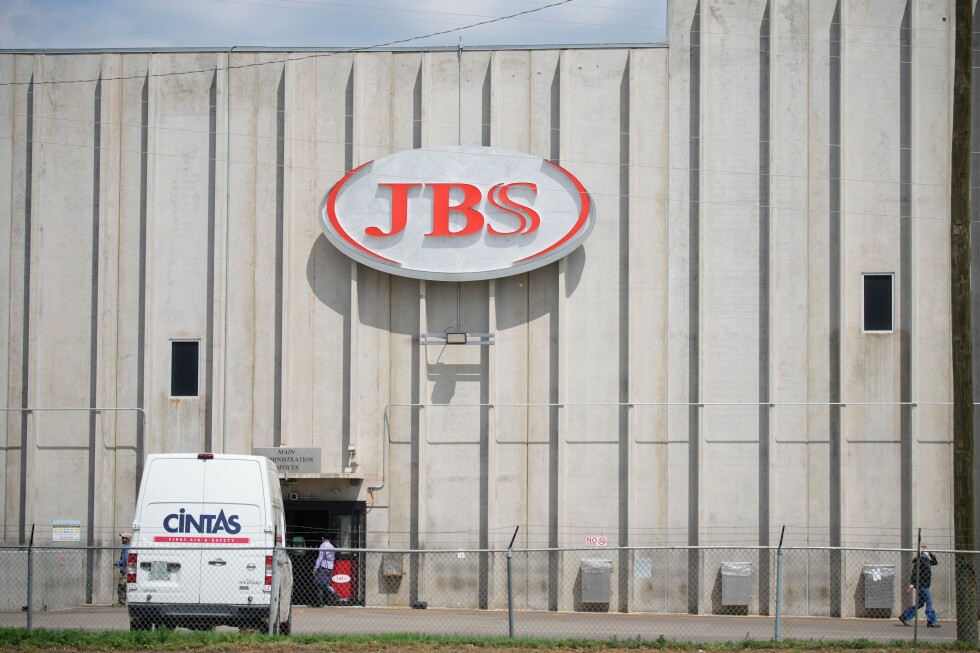
JBS holds substantial global influence as the world’s largest meatpacking company, with a market capitalization of approximately $17 billion. The company operates numerous facilities worldwide, including plants in the United States. Earlier this year, workers at a JBS facility in Colorado staged a three-week strike over labor conditions, further highlighting the company’s ongoing challenges with worker relations.
The Brazilian lawsuit represents a significant development in efforts to address labor abuses in supply chains. Brazil has intensified enforcement against modern slavery in recent years, with its “dirty list” of companies found to use slave labor serving as a key transparency mechanism. Companies on this list face potential business restrictions and reputational damage.
Human rights advocates have long pointed to the cattle industry as particularly vulnerable to labor exploitation due to the remote locations of many ranches and limited regulatory oversight in certain regions. Workers in these situations often face debt bondage, dangerous conditions, excessive working hours, and lack of basic necessities.
If successful, the lawsuit could establish important precedent for corporate accountability throughout supply chains, requiring companies to conduct more thorough due diligence regarding their suppliers’ labor practices.
The case also illustrates the increasing convergence of labor rights and environmental concerns, as both issues frequently intersect in the Amazon region, where cattle ranching remains a major economic activity but also a source of significant controversy regarding sustainability and human rights.
Fact Checker
Verify the accuracy of this article using The Disinformation Commission analysis and real-time sources.

11 Comments
It’s concerning to see such serious labor rights violations persisting in Brazil’s huge beef industry. Strong enforcement and transparency are crucial to address these issues.
I agree. Consumers deserve to know the labor practices behind the products they buy. Responsible sourcing should be a priority for major meatpackers like JBS.
While the scale of the alleged violations is concerning, it’s good to see authorities taking action. Hopefully this case leads to tangible improvements for vulnerable workers in Brazil’s beef supply chain.
Curious to know more about the specific allegations against JBS and how they plan to address the concerns raised by Brazilian labor prosecutors. Transparency from the company would be welcome.
With Brazil now the world’s largest beef producer, it’s critical that the industry cleans up its act and respects the rights of workers. This case could set an important precedent.
Disturbing to hear about the alleged worker exploitation linked to JBS’s beef supply chain in Brazil. Hopefully this case leads to meaningful reforms and greater accountability for the industry.
Troubling to see allegations of slavery-like conditions linked to a global beef giant like JBS. Tackling labor abuses in the industry should be a top priority.
As a major player in the global beef trade, JBS bears significant responsibility to uphold labor standards across its supply chain. I hope this lawsuit leads to meaningful reforms.
The reported labor issues in JBS’s beef operations highlight the ongoing challenges in ensuring ethical and sustainable practices across global commodity markets. Rigorous oversight and accountability are essential.
Concerning to see allegations of forced labor and exploitation persisting in Brazil’s beef industry. Transparency and accountability should be top priorities for companies like JBS.
This case underscores the need for greater supply chain scrutiny in the commodities sector. Regulators and advocacy groups play a vital role in exposing exploitation and driving positive change.