


Listen to the article
Tension mounts as Belarusian balloons repeatedly shut down Lithuania’s main airport, stranding thousands and escalating diplomatic friction between the neighboring countries. Lithuanian officials claim these incidents are not accidents but deliberate acts of disruption orchestrated by Belarus, a close ally of Russia.
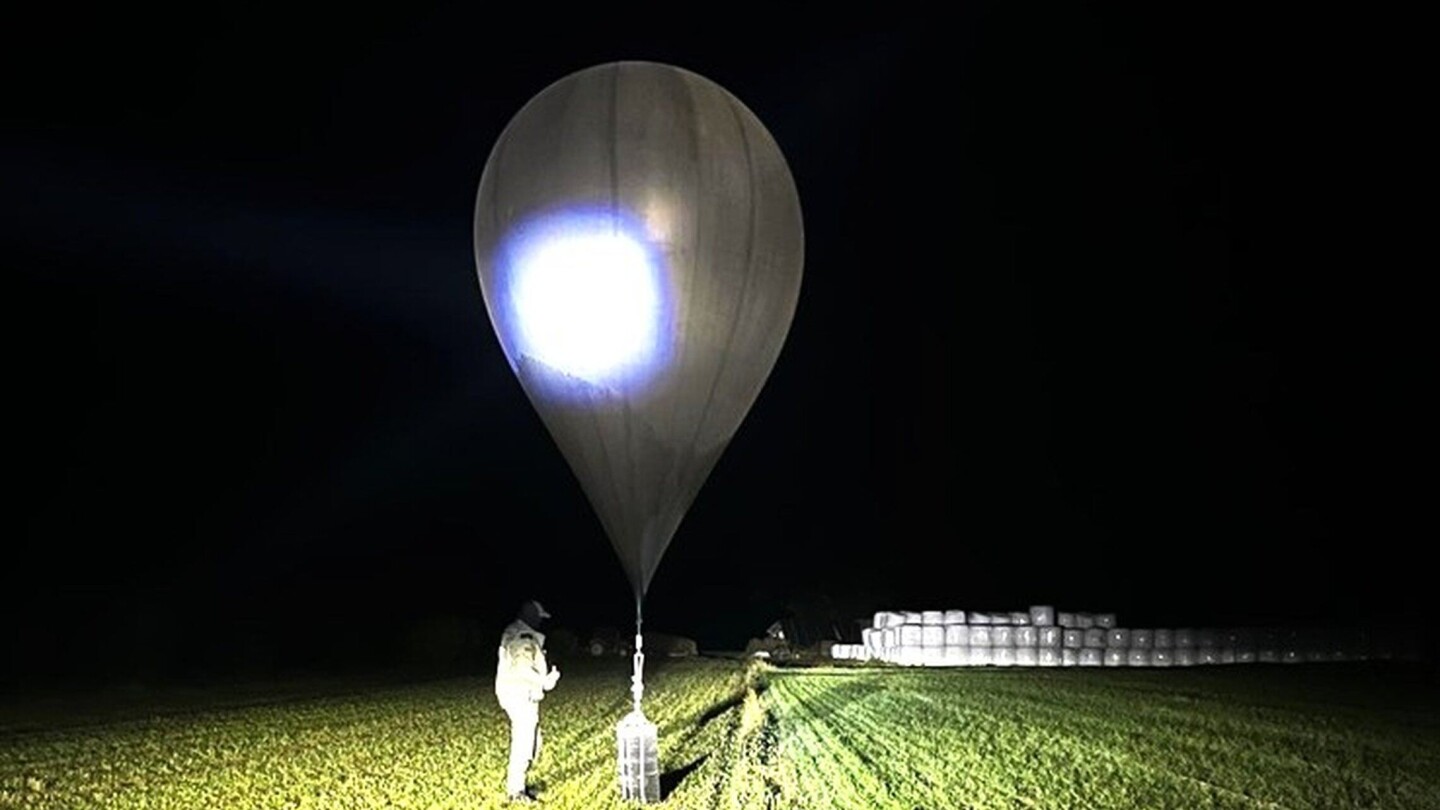
The most severe incident occurred last Saturday when Vilnius airport suspended operations for 11 hours. Lithuanian authorities reported approximately 60 balloons launched from Belarusian forests, with 40 reaching areas critical for aviation safety. Aviation officials noted that the balloons appeared to be sent at regular intervals and specifically directed toward runways.
“This is a cynical hybrid attack against our economy, aviation security, and the entire nation,” said Taurimas Valys, Lithuania’s deputy minister of foreign affairs, characterizing the severity of the situation.
While Belarusian President Alexander Lukashenko had previously stated that Belarus would apologize if its involvement was established, the diplomatic conflict took another turn on Monday. Minsk accused Lithuania of sending a drone into Belarusian airspace, allegedly for espionage and delivery of “extremist materials.”
The Belarusian Foreign Ministry summoned Lithuania’s chargé d’affaires, Erikas Vilkanecas, demanding an explanation and investigation. “The Republic of Belarus reserves the right to take all necessary measures to protect its sovereignty and security, based on the current situation,” the ministry stated.
Lithuanian Prime Minister Inga Ruginienė countered on Tuesday, saying she had received no information suggesting Lithuanian involvement in the alleged drone incident, according to the BNS news agency.
The balloon incidents occur against a backdrop of heightened regional tensions, with Europe on alert following unprecedented drone intrusions into NATO airspace in September and as Russia’s invasion of Ukraine approaches its fourth year.
While the balloons are reportedly used to smuggle cigarettes into Lithuania, their increasing numbers and calculated trajectories suggest more nefarious motives, according to Lithuanian officials.
This conflict has already had significant economic repercussions. In October, Lithuania closed its borders with Belarus after repeated balloon disruptions at Vilnius airport. Belarus retaliated by preventing over 1,000 Lithuanian cargo trucks from leaving Belarus.
The economic pressure proved effective, as Lithuania reopened the border less than three weeks later, bowing to pressure from national logistics companies. However, those trucks remain in Belarus, highlighting the ongoing economic leverage being exerted.
Lithuanian authorities have observed that balloon incursions have continued to increase since the border reopening. Prime Minister Ruginienė indicated potential further action, stating, “If necessary, we will close the border, but please understand that we must coordinate every action with our strategic partners.”
In response to these persistent disruptions, Lithuania has allocated 1 million euros to projects aimed at countering the balloon threat. One recipient, IT Logika, is developing an Intelligent Airspace Security System capable of detecting and identifying targets at any time of day, along with a high-power laser system designed to safely neutralize multiple balloons during a single flight.
The system will incorporate artificial intelligence algorithms for object trajectory prediction and recognition, with real-time information provided by drone base stations, radars, and other distributed sensors.
Lithuanian authorities are also implementing additional countermeasures, including harsh punishments for activities linked to cigarette smuggling and adjusting flight schedules. “We are considering the possibility of moving night flights to other airports like Kaunas,” said Ignas Algirdas Dobrovolskas, an advisor to the prime minister.
The situation represents a modern form of hybrid warfare, where non-military tactics are used to destabilize another nation’s economy and security. As Lithuania develops technological and policy solutions, the diplomatic standoff with Belarus continues to evolve, with each country accusing the other of provocations while citizens and businesses bear the economic consequences.
Fact Checker
Verify the accuracy of this article using The Disinformation Commission analysis and real-time sources.

12 Comments
The accusation of ‘hybrid attack’ by the Lithuanian government is quite serious. If true, it represents a significant escalation in the ongoing tensions between Belarus and its neighbors. I wonder how this will impact regional dynamics and security arrangements.
You raise a good point. The characterization of these balloon incidents as a ‘hybrid attack’ suggests Lithuania views this as a deliberate and coordinated effort by Belarus to undermine its stability and sovereignty. This could have far-reaching consequences for the region.
From a technical perspective, it’s fascinating that Belarus has developed the capability to precisely target and disrupt aviation infrastructure using weather balloons. However, the political motivations behind these actions are deeply troubling.
You raise a good point. The technical sophistication behind these balloon launches is quite impressive, even if the intent is clearly hostile. It will be interesting to see how the aviation authorities in the region respond.
Intriguing situation. Seems Belarus is deliberately disrupting Lithuania’s air traffic using weather balloons. Quite an escalation of tensions between the two countries. I wonder what the strategic goal is behind these actions.
Yes, it appears to be a calculated move by Belarus to put pressure on Lithuania. The timing and coordination of the balloon launches suggest it’s not just an accident or oversight.
This is a concerning development that could have serious implications for regional stability and aviation safety. I hope the two countries can find a diplomatic solution to de-escalate the situation.
Agreed. The use of these balloons as a tool for disruption is quite worrying. Hopefully, this does not lead to any further escalation between the neighbors.
This situation highlights the vulnerability of critical infrastructure to unconventional forms of disruption. It’s a stark reminder of the need for robust security measures and effective cross-border cooperation to mitigate such threats.
Absolutely. The use of weather balloons as a tool for geopolitical maneuvering is a novel and concerning development. It will require a coordinated response from the affected countries to address this challenge.
This situation is a stark reminder of the potential for non-traditional threats to disrupt critical infrastructure and national security. It will be interesting to see how the aviation authorities and diplomatic channels respond to address this challenge.
Agreed. The use of weather balloons as a tool for disruption is quite novel and highlights the need for innovative security solutions. This incident will likely spur further cooperation and information-sharing between the affected countries.