


Listen to the article
The BBC has issued a formal apology to U.S. President Donald Trump over a misleading edit of his January 6, 2021 speech, while simultaneously rejecting the premise of his threatened $1 billion lawsuit for defamation.
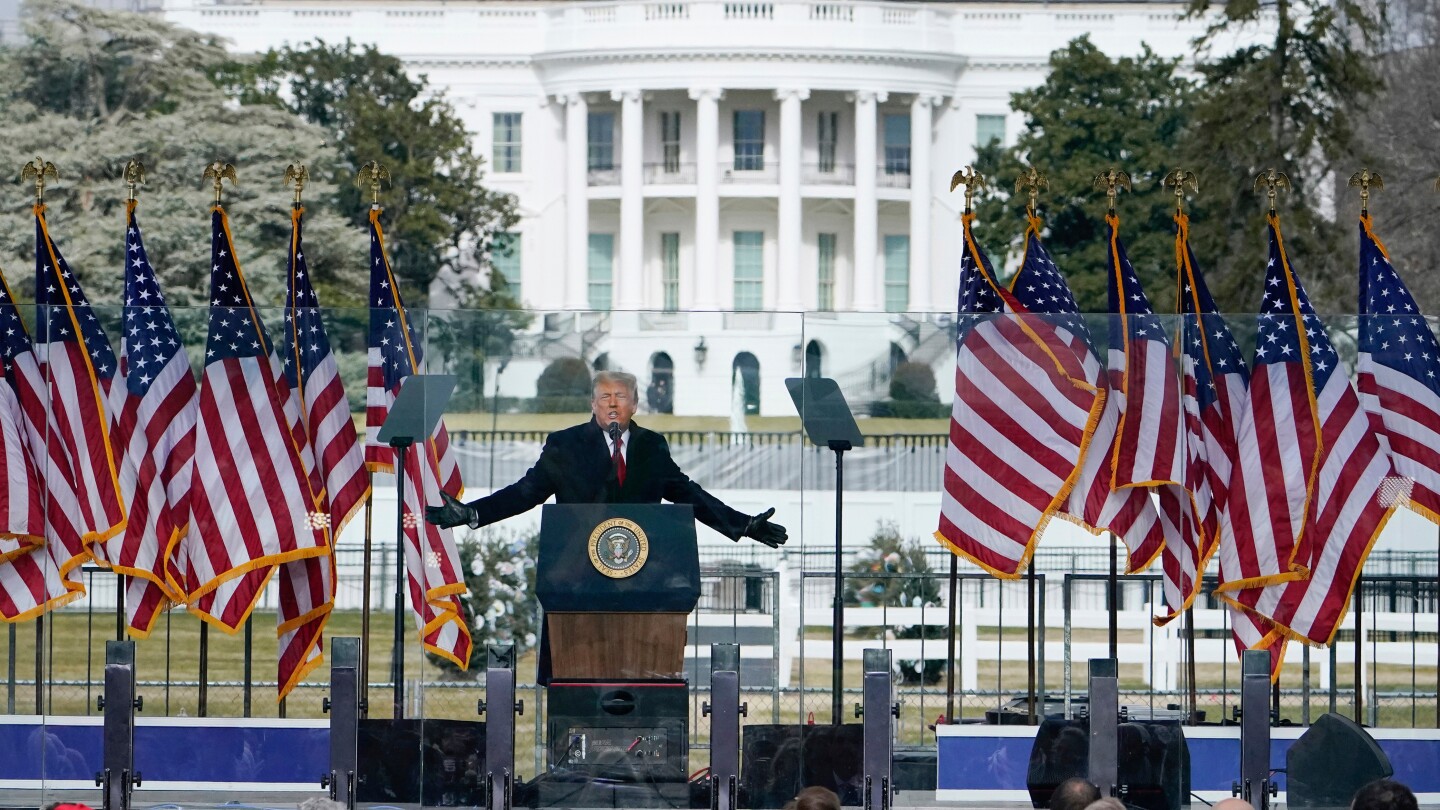
In a personal letter to the White House, BBC Chair Samir Shah expressed regret for the deceptive editing that appeared in an episode of the broadcaster’s flagship current affairs program “Panorama.” The documentary, titled “Trump: A Second Chance?” aired shortly before the 2024 U.S. presidential election, which Trump ultimately won.
“We accept that our edit unintentionally created the impression that we were showing a single continuous section of the speech, rather than excerpts from different points in the speech, and that this gave the mistaken impression that President Trump had made a direct call for violent action,” the BBC stated in its retraction.
The controversy centers on the program’s presentation of Trump’s speech preceding the Capitol riots. The third-party production company responsible for the documentary spliced together three quotes from different sections of Trump’s address, making it appear as if he had directly urged supporters to march with him and “fight like hell” without qualification. Notably, editors omitted portions where Trump called for peaceful demonstration.
The fallout from this editorial misstep has been significant. BBC Director-General Tim Davie and news chief Deborah Turness both resigned on Sunday, with Davie acknowledging that “as the CEO of BBC News and Current Affairs, the buck stops with me.” Their departures underscore the severity with which the publicly funded broadcaster is treating the breach of journalistic standards.
Trump’s legal team had demanded a comprehensive apology, a full retraction of the documentary, and compensation for alleged “overwhelming financial and reputational harm.” While the BBC has complied with the first two demands, it appears to be rejecting any financial settlement.
Legal experts suggest Trump would face considerable challenges pursuing the case in either British or American courts. In the UK, the statute of limitations for defamation claims has already expired, and damages in such cases rarely exceed £100,000 ($132,000). Furthermore, since the documentary was not broadcast in the United States, establishing harm to Trump’s reputation among American voters would be difficult.
However, Trump has previously secured significant settlements from U.S. media organizations. In July, Paramount (which owns CBS) agreed to pay $16 million to settle a lawsuit over a “60 Minutes” interview with then-Democratic presidential nominee Kamala Harris, which Trump claimed was deceptively edited to enhance her presentation.
This settlement came as a Trump-appointed Federal Communications Commission head launched an investigation that potentially complicated Paramount’s pending merger with Skydance Media, raising questions about potential leverage.
Similarly, ABC News paid $15 million last year to settle a defamation lawsuit after anchor George Stephanopoulos incorrectly stated on air that Trump had been found civilly liable for raping writer E. Jean Carroll. A jury had actually found Trump liable for sexual abuse, not rape – a legal distinction that prompted the substantial settlement.
The BBC has also revealed it is investigating a separate report in the Daily Telegraph claiming that its “Newsnight” program similarly spliced together parts of the same Trump speech in a 2022 broadcast, suggesting this may not be an isolated incident.
The controversy comes at a sensitive time for the BBC, which faces scrutiny over its impartiality and editorial standards. As a publicly funded broadcaster, its reputation for accuracy and fairness is central to its mandate, making this high-profile editorial failure particularly damaging to its institutional credibility.
Fact Checker
Verify the accuracy of this article using The Disinformation Commission analysis and real-time sources.

10 Comments
Interesting to see the BBC acknowledge their editing error, even if they don’t see grounds for a defamation claim. Transparency and accuracy are important, especially for major media outlets covering such sensitive political events.
Curious to hear more details on the specific editing choices made and the BBC’s rationale for not seeing a defamation case. Transparency around their decision-making process would help the public evaluate the situation more fully.
It’s good the BBC acknowledged their mistake, but I’m not sure I buy their claim that there’s no basis for a defamation suit. Splicing quotes to create a misleading impression seems like it could cross a line, even for a public figure.
It’s good to see the BBC acknowledge their error, but I’m not convinced their reasoning around the defamation claim holds up. Splicing quotes to create a misleading impression seems like it could cross a legal line, even for a public figure.
This highlights the need for responsible journalism and fact-checking, especially when it comes to reporting on high-profile political figures. I’m glad the BBC took steps to correct the record, but it’s concerning they still don’t see a defamation issue.
I agree, the BBC’s response seems a bit defensive. Even if they don’t think it rises to defamation, a more humble and proactive approach may have been warranted given the gravity of the situation.
While I’m not a Trump fan, I do believe the media has an ethical duty to report accurately and avoid manipulative editing tactics, even when covering controversial figures. This BBC incident is concerning from that perspective.
Regardless of one’s political views, I think we can all agree that media outlets need to uphold rigorous journalistic standards. This incident is a reminder that even the most established organizations can fall short in that regard.
Exactly. Maintaining trust and credibility should be the top priority for any reputable news source, regardless of the subject matter or political implications. Missteps like this undermine that fundamental responsibility.
While I’m not a Trump supporter, I do believe media outlets have an obligation to report accurately and avoid deceptive editing tactics, no matter the political leanings of the subject. This incident erodes public trust, which is concerning.