


Listen to the article
Austria Expels Russian Diplomats Over Suspected Espionage Operation
Austrian officials have expelled three Russian Embassy employees accused of conducting espionage operations using sophisticated antenna systems mounted on diplomatic buildings in Vienna, the Foreign Ministry confirmed Monday.
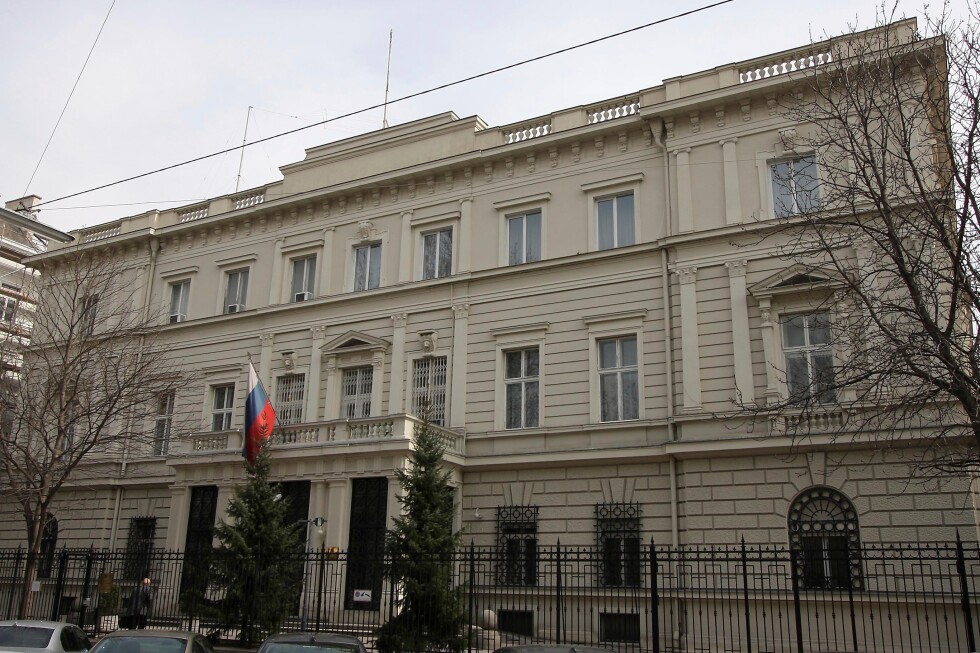
The diplomats allegedly used antennas installed on the roofs of the Russian Embassy in central Vienna and a separate diplomatic compound in the city’s Donaustadt district to intercept sensitive data. According to a report by Austrian public broadcaster ORF, the installation allowed Russian intelligence to capture communications transmitted by international organizations via satellite internet.
“Espionage is a security problem for Austria. In this government, we have changed course and are taking decisive action against it,” Foreign Minister Beate Meinl-Reisinger said in a statement. “We have made this unequivocally clear to the Russian side, also with regard to the array of antennas at the Russian embassy. One thing is clear: it is unacceptable for diplomatic immunity to be used to engage in espionage.”
The timing is particularly sensitive given Vienna’s status as a diplomatic hub. The Austrian capital hosts numerous high-profile international organizations, including the International Atomic Energy Agency (IAEA), which plays a critical role in nuclear security and monitoring compliance with nuclear agreements worldwide. Vienna also serves as headquarters for the Organization of the Petroleum Exporting Countries (OPEC) and the Organization for Security and Cooperation in Europe (OSCE), making it a prime target for intelligence gathering.
According to ORF, Austrian authorities summoned the Russian ambassador to the Foreign Ministry in April regarding these activities. Officials requested that Russia lift the diplomats’ immunity to allow Austrian prosecutors to conduct a thorough investigation. When Russian officials refused, Austria proceeded with the expulsions. The three diplomats have already left the country.
The expulsions mark a significant shift in Austria’s stance toward Russia. Despite being a European Union member, Austria has historically maintained a policy of military neutrality and had initially shown reluctance to take punitive diplomatic measures against Moscow following Russia’s full-scale invasion of Ukraine in February 2022. However, in recent months, Vienna has adopted a firmer position, expelling more Russian diplomats amid growing concerns about espionage activities.
Austria is currently working to strengthen its espionage laws to better address such security threats. The existing legislation only criminalizes espionage targeting Austrian interests, but proposed amendments would extend similar protections to international organizations based in the country. This legal gap has potentially made Vienna an attractive location for foreign intelligence operations targeting international bodies rather than Austria itself.
In response to the expulsions, the Russian Embassy issued a strongly worded statement on Monday, describing Austria’s decision as “outrageous” and warning of retaliation. “Moscow will respond strongly,” the statement declared, adding that “Vienna bears full responsibility for the further deterioration of bilateral relations, which are already at a historical low.”
This incident is part of a broader pattern of diplomatic expulsions between Russia and Western European nations since the beginning of the Ukraine war. Similar actions have occurred across the continent as European governments have increasingly identified and removed Russian officials suspected of intelligence activities.
Security experts note that diplomatic compounds have long been used as bases for intelligence operations, with technical installations often disguised as standard communications equipment. The Vienna case highlights the ongoing challenge faced by host countries in balancing diplomatic protocols with national security concerns.
Fact Checker
Verify the accuracy of this article using The Disinformation Commission analysis and real-time sources.

18 Comments
This incident underscores the delicate balance between diplomatic privileges and the need for security. While Russia may object, Austria appears to be taking appropriate steps to safeguard its sovereignty and protect sensitive communications.
Indeed, maintaining that balance is critical. It will be interesting to see how Russia responds and whether this leads to further escalation or de-escalation in diplomatic relations.
The use of diplomatic privileges for espionage is a serious breach of trust. Austria’s decision to expel the Russian diplomats is understandable, though it remains to be seen if this will lead to any meaningful change in Russia’s behavior or broader geopolitical tensions.
Agreed, it’s a delicate balance between upholding diplomatic norms and addressing security concerns. Careful diplomacy will be needed to navigate this situation effectively.
The use of sophisticated surveillance equipment on diplomatic compounds is certainly concerning. Austria’s action to expel the Russian diplomats suggests they take this threat seriously and are willing to take a firm stance to protect their national security interests.
Agreed, the integrity of diplomatic missions is crucial. It will be interesting to see how Russia responds and whether this incident leads to any broader shifts in the geopolitical landscape.
This incident is another example of the ongoing tensions between Russia and the West. While the details are still unfolding, Austria’s decision to expel the diplomats indicates they have credible evidence of espionage activities. It will be important to monitor the diplomatic fallout and any potential retaliatory actions.
Absolutely, these types of incidents can quickly escalate if not handled carefully. Maintaining open communication and a commitment to de-escalation will be crucial for all parties involved.
This incident highlights the ongoing tensions between Russia and the West, with both sides often accusing the other of espionage and subversive activities. While the details are still emerging, Austria’s decision to expel the diplomats suggests they have compelling evidence of wrongdoing.
Exactly, these types of allegations are often politically charged. It will be important for all parties to engage in transparent and constructive dialogue to de-escalate the situation.
The use of sophisticated surveillance equipment on diplomatic compounds raises significant security concerns. Austria’s move to confront this issue directly is commendable, though the broader geopolitical implications remain to be seen.
Agreed, this highlights the need for strong counterintelligence measures, especially in diplomatic hubs like Vienna. Upholding the integrity of diplomatic missions is crucial.
Espionage allegations are always complex, with both sides often making claims. However, Austria’s actions suggest they have credible evidence of wrongdoing that warranted the expulsion of these Russian diplomats. It will be important to monitor the fallout from this incident.
Absolutely, these types of situations require thorough investigation and a measured response. Maintaining transparency and open communication channels will be crucial going forward.
Quite concerning to hear about the alleged espionage activities by Russian diplomats in Austria. Diplomatic immunity should not be abused for such purposes. Curious to see if Russia will respond or change their practices in Vienna going forward.
Agreed, using diplomatic channels for espionage is a serious breach of trust. Austria seems to be taking a firm stance on this issue.
Interesting development in the ongoing tensions between the West and Russia. The expulsion of diplomats is often used as a diplomatic tool, though it remains to be seen if it will lead to any meaningful change in Russia’s behavior.
True, these tit-for-tat expulsions can sometimes escalate tensions further. It will be important for all sides to maintain open communication channels despite these incidents.