


Listen to the article
Northern Territory Revisits Voluntary Euthanasia Law After Three Decades
MELBOURNE, Australia — The Northern Territory government announced plans on Friday to introduce legislation for voluntary euthanasia, potentially becoming the final Australian jurisdiction to secure such legal reform, 31 years after initially pioneering it.
In a remarkable historical twist, the Northern Territory became the first place in the world to legalize voluntary euthanasia in 1995. However, those groundbreaking laws were overturned by the Australian Parliament just two years later, after four terminally ill patients had legally ended their lives with medical assistance.
Since that legislative reversal, Australia’s landscape regarding end-of-life choices has transformed dramatically. All six Australian states have passed assisted dying laws, and the federal government has lifted its ban that previously prevented both territories—the Northern Territory and Australian Capital Territory—from enacting such legislation independently.
The Australian Capital Territory passed its voluntary euthanasia laws earlier this year, leaving the Northern Territory as the sole remaining jurisdiction without these provisions.
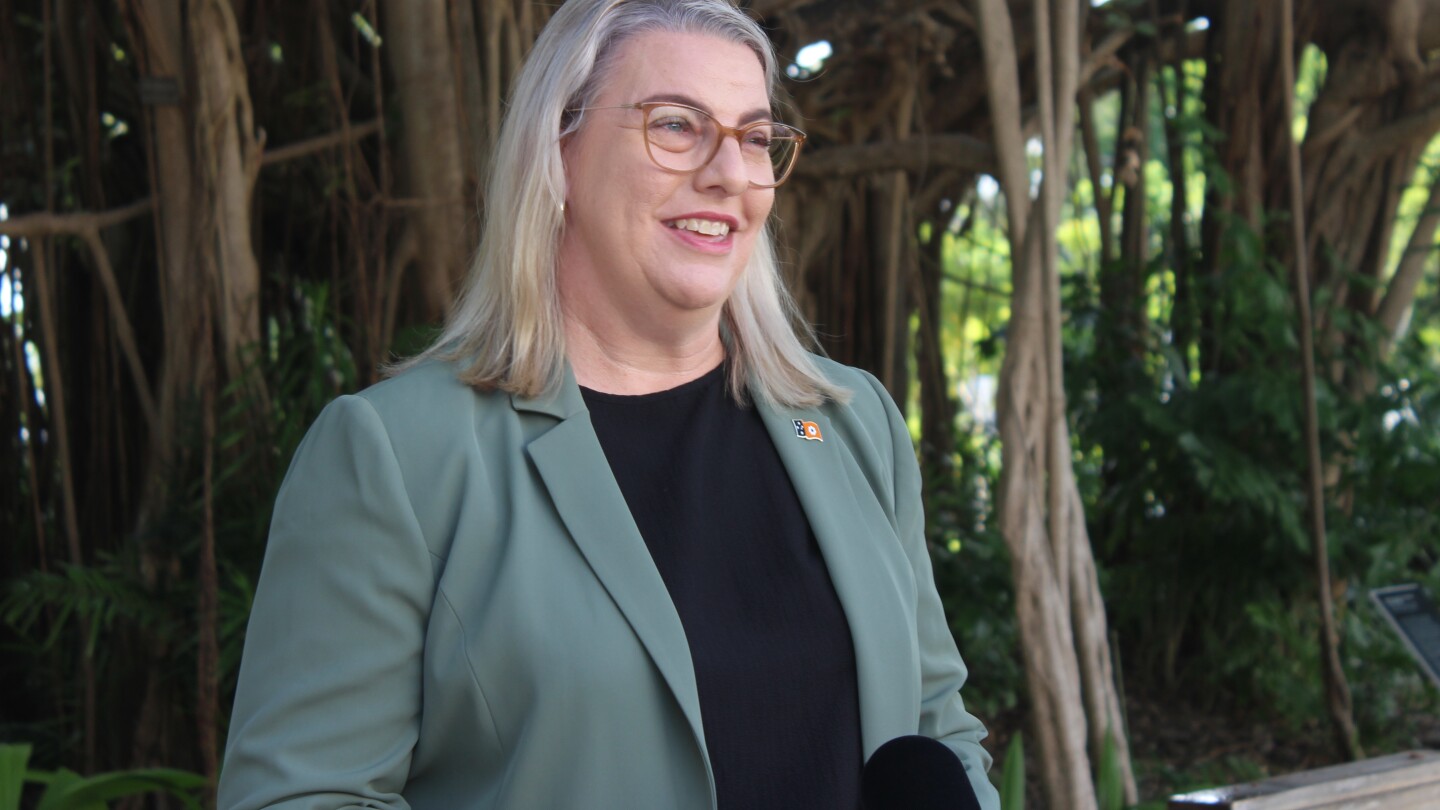
Northern Territory Attorney-General Marie-Clare Boothby said Friday that lawmakers would consider a bill by mid-2026, with members permitted to vote according to their consciences rather than along party lines.
“Legislating for the rights of the terminally ill is one of the most sensitive and complex reforms any government can undertake,” Boothby said in a statement. “We’re taking the time to get this right. We’re working carefully and consultatively—not rushing it—and we are committed to getting the balance right.”
The announcement follows a September 2025 recommendation from a parliamentary committee supporting the adoption of doctor-assisted suicide law in the territory. The committee also called for a public education campaign to raise awareness and counter misinformation, particularly in remote and Indigenous communities.
Boothby confirmed that drafting of the bill was already underway. “We won’t shy away from difficult issues and we are committed to progressing these reforms carefully, thoughtfully and responsibly,” she stated.
The Northern Territory faces unique challenges in implementing such legislation compared to other Australian jurisdictions. With a population of just 260,000 people spread across an area almost the size of France, delivering consistent healthcare and information presents significant logistical challenges.
Perhaps most notably, more than 25 percent of the territory’s population is Indigenous, compared to the national average of 3.8 percent according to the 2021 census. This demographic reality introduces important cultural considerations regarding end-of-life care.
Indigenous perspectives on voluntary euthanasia vary considerably. Some community members express deep suspicion of the medical system and fear potential abuses, while others advocate for equitable access to assisted dying with strong cultural safeguards. Conflicting cultural beliefs surrounding death further complicate the issue.
Northern Territory Legislative Assembly Speaker Robyn Lambley has voiced concerns about these challenges, particularly regarding education about the assisted dying law for Indigenous people, many of whom don’t speak English as their first language.
“I don’t think we’re ready,” Lambley said in an online post. “Maybe we’ll never be ready in the Territory. Aboriginal people have reluctance around accessing health services for anything, even having babies.”
She added bluntly: “It will be a disaster. I don’t think it will work. We just need to take it at our own pace.”
These concerns highlight the tension between providing equitable access to end-of-life options and ensuring cultural sensitivity and informed consent across diverse communities.
The Northern Territory’s renewed push for voluntary euthanasia legislation reflects broader shifts in Australian attitudes toward end-of-life choices over the past three decades, while simultaneously underscoring the unique considerations required when implementing such laws in regions with significant Indigenous populations and geographic challenges.
Fact Checker
Verify the accuracy of this article using The Disinformation Commission analysis and real-time sources.

9 Comments
The Northern Territory’s decision to reconsider assisted dying laws is a complex and sensitive issue. I hope the legislative process will involve extensive public dialogue and consideration of diverse perspectives.
I agree. Given the ethical dilemmas and the history, this will require a very thoughtful and inclusive approach from lawmakers.
This is an interesting development in the ongoing debate around assisted dying laws in Australia. I’m curious to see how the Northern Territory’s proposed legislation differs from the previous law that was overturned.
Revisiting assisted dying laws after three decades is a significant move. I’m curious to see if the Northern Territory’s proposed legislation will learn from the challenges faced by the initial 1995 law.
Yes, it will be interesting to see how the new bill addresses the concerns that led to the previous law being overturned. Ensuring robust safeguards and public consultation will be crucial.
It’s encouraging to see the Northern Territory revisiting this issue after 31 years, especially as other states have made progress on similar laws. This could be an important step towards more comprehensive end-of-life choice provisions nationwide.
The fact that the Northern Territory was the first place in the world to legalize voluntary euthanasia, only to have it overturned shortly after, shows how complex and contentious this topic remains. I’ll be watching this story closely.
While the historical context is fascinating, I hope the new legislation will be carefully crafted to address the ethical and practical concerns that have been raised around assisted dying. A balanced approach is crucial on such a sensitive issue.
It’s noteworthy that the Northern Territory is the last Australian jurisdiction to consider assisted dying laws, after the other states have already passed similar legislation. This highlights the ongoing challenges in reaching consensus on this issue.