


Listen to the article
Australian authorities have concluded that three Christian extremists who killed two police officers and a neighbor in a deadly 2022 shootout were suffering from a shared delusional disorder, rather than committing an act of terrorism.
State Coroner Terry Ryan released findings Friday on the December 12, 2022, incident in Wieambilla, a remote region west of Brisbane, Queensland. The six-hour gunbattle left six people dead, including the three perpetrators—brothers Gareth and Nathaniel Train and Gareth’s wife, Stacey Train.
“They were psychotically unwell and driven by their persecutory beliefs,” Ryan stated in his findings. He accepted psychiatric evidence that all three suffered from “an undiagnosed and untreated psychotic illness” that originated with Gareth Train before spreading to the others.
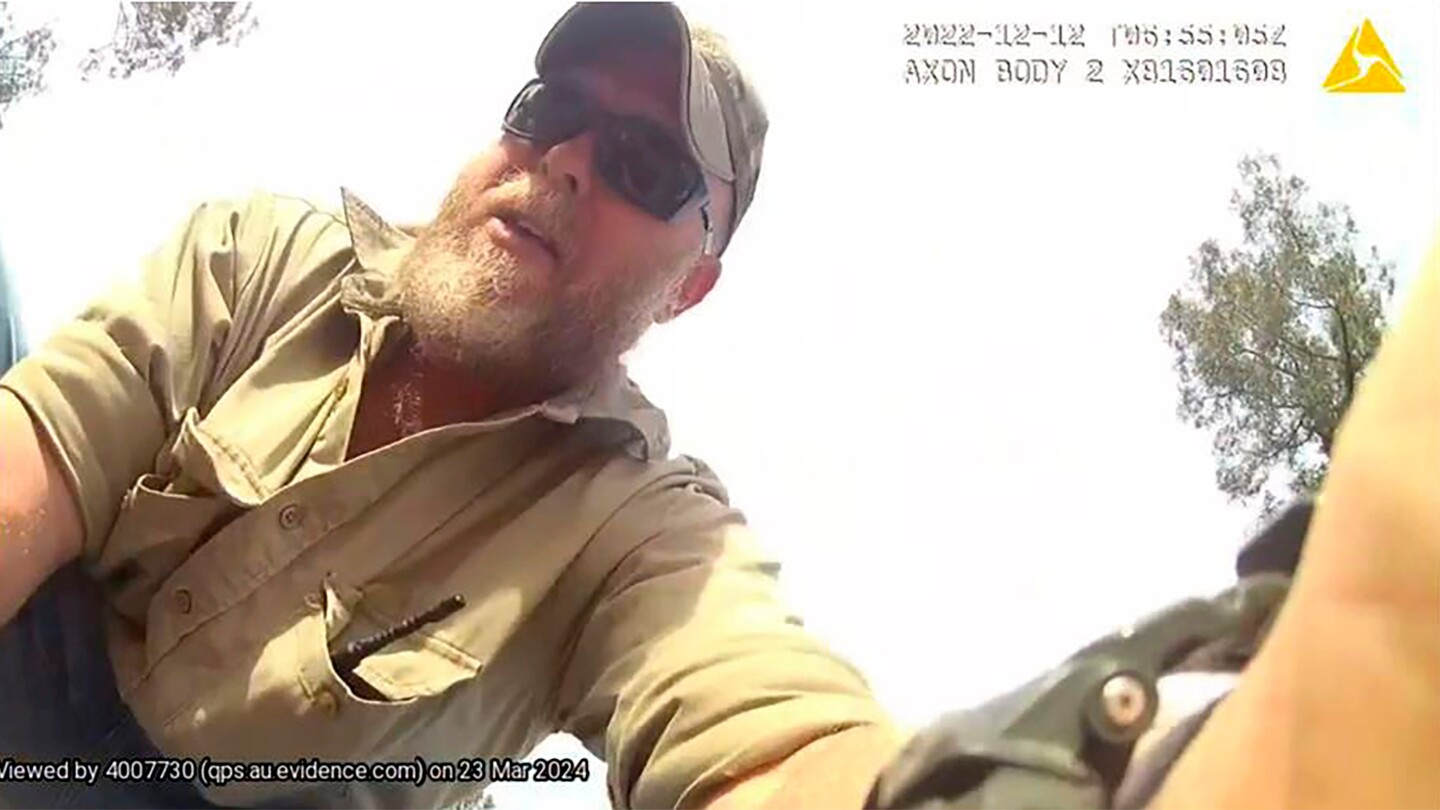
The deadly confrontation began when four police officers arrived at the Trains’ rural property to follow up on a missing persons report for Nathaniel Train, a former school principal from New South Wales. Within two minutes of the officers stepping onto the property, the Train brothers opened fire with high-powered rifles from concealed sniper positions.
Officers Rachel McCrow and Matthew Arnold were killed in the initial attack. A third officer, Randal Kirk, was wounded while fleeing, and Officer Keely Brough hid in scrub for approximately two hours until reinforcements arrived. The Trains also killed neighbor Alan Dare, who had come to investigate scrub fires they had deliberately started.
“The police officers’ Glocks were woefully inadequate for the purpose of defending themselves or each other from the attack they faced,” Ryan noted, highlighting the tactical disadvantage faced by the responding officers against the rifles used by the Trains.
The coroner’s findings provide insight into the extremists’ disturbed worldview. All three believed the world was about to end according to Christian teachings and harbored “broader persecutory beliefs including that the government was evil and that police officers… were demons intent on killing them.” Medical evidence presented during the 17-day inquiry last year indicated that shared delusional disorders are exceptionally rare.
Ryan explicitly rejected assertions that the ambush constituted terrorism under Australian law. “Rather I consider they were acting defensively within their delusional framework to defend themselves and their property from what they regarded was an evil advance on them,” he explained.
The coroner’s report raises questions about Australia’s gun control framework, noting that “at least some” of the Trains’ weapons had been obtained legally despite the country’s relatively strict firearm regulations. Ryan recommended the Queensland government consider implementing mandatory mental health assessments for gun license applicants.
Another key recommendation calls for police to employ drones for risk assessments in remote locations before sending officers in on foot. Ryan also advocated for additional funding for the Queensland Fixated Threat Assessment Center, which monitors individuals with fixated grievances or concerning behavior patterns.
The report highlighted a concerning gap in surveillance of potential threats. “It is concerning that the online activities of Gareth Train in the years leading up to Dec. 12, 2022, carried out in plain sight, did not appear to have been monitored or drawn to the attention of law enforcement agencies,” Ryan stated.
The coroner also addressed claims from Alan Dare’s family that police had failed to warn about active shooters when his wife called to report smoke from the property. Ryan rejected this submission, finding no direct police culpability in Dare’s death.
The Wieambilla incident stands as one of Australia’s most deadly attacks on police officers in recent years and has prompted renewed discussions about mental health monitoring, extremism, and tactical responses in remote areas.
Fact Checker
Verify the accuracy of this article using The Disinformation Commission analysis and real-time sources.

14 Comments
While the details of this case are disturbing, I appreciate the coroner taking the time to thoroughly investigate the mental health factors at play. Distinguishing between terrorism and severe mental illness is crucial, even if the end result is equally devastating. My condolences to the victims’ families and the broader community affected by this tragedy.
This is a tragic case of mental illness leading to violence. It’s heartbreaking to see the loss of life, especially among the police officers who were just doing their jobs. I hope the investigation provides some answers and leads to improvements in how we identify and support those suffering from severe mental health issues.
The coroner’s conclusion of a shared delusional disorder is fascinating from a psychological perspective, though the outcome is heartbreakingly tragic. I wonder what warning signs may have been missed and how we can improve early intervention for those suffering from untreated psychosis. This is a complex issue without easy answers.
This is a tragic case that highlights the complexities of mental health issues and the need for greater support and resources, especially in remote areas. The coroner’s findings of a shared delusional disorder are fascinating from a psychological standpoint, though the outcome is heartbreaking. I hope this investigation leads to positive changes that can help prevent similar tragedies in the future.
The coroner’s assessment of a shared delusional disorder is a fascinating psychological angle on this tragedy. While the loss of life is devastating, I’m glad the authorities didn’t jump to label this as terrorism. Understanding the underlying mental health factors is crucial, even if the end result is equally tragic. My condolences to all affected.
This is a tragic case that underscores the pressing need for improved mental health resources and support, especially in remote and isolated areas. The coroner’s findings of a shared delusional disorder are fascinating but deeply saddening. I hope this investigation leads to positive changes that can help identify and assist those suffering from severe psychosis before such devastating outcomes occur.
This is a grim and sobering case that highlights the urgent need for better mental health support, especially in isolated rural communities. The shared delusional disorder finding is intriguing, though the ultimate outcome is heart-wrenching. I hope the investigation leads to positive changes that can prevent similar tragedies in the future.
The coroner’s assessment of a shared delusional disorder is an interesting angle on this tragic case. While the loss of life is devastating, I’m glad the authorities didn’t rush to label this as terrorism, and instead focused on understanding the underlying mental health factors. Providing better support and resources for those struggling with severe psychosis is crucial to prevent such senseless violence.
While the details of this case are disturbing, I’m glad the coroner took the time to thoroughly investigate the mental health factors at play. Distinguishing between terrorism and severe mental illness is crucial, even if the end result is equally devastating. My condolences to all those affected by this senseless loss of life.
This is a sobering reminder of the urgent need for improved mental health services, especially in rural and isolated communities. The coroner’s findings of a shared delusional disorder are fascinating but deeply tragic. I hope the investigation leads to positive changes that can help identify and support those suffering from severe psychosis before such devastating outcomes occur.
This is a tragic case that underscores the urgent need for better mental health resources, especially in remote areas. The coroner’s findings of a shared delusional disorder are intriguing, though the outcome is heartbreaking. I hope this investigation leads to positive changes that can help identify and support those struggling with severe psychosis.
This is a sobering reminder of the need for better mental health resources and support, especially in remote areas. I hope the families of the victims can find some solace in the coroner’s assessment, even as they grieve their terrible loss. We must do more to identify and help those struggling with severe psychosis.
While the coroner’s findings of a shared delusional disorder are concerning, I’m glad the authorities didn’t rush to label this as terrorism. Nuance and understanding the underlying mental health factors is crucial in cases like this. Preventing such tragedies requires a compassionate, comprehensive approach.
The coroner’s conclusion of a shared delusional disorder is a compelling psychological angle on this heartbreaking case. While the loss of life is devastating, I’m glad the authorities took the time to thoroughly investigate the mental health factors at play, rather than rushing to label this as terrorism. Providing better support and resources for those struggling with severe psychosis is crucial to prevent such senseless tragedies.