


Listen to the article
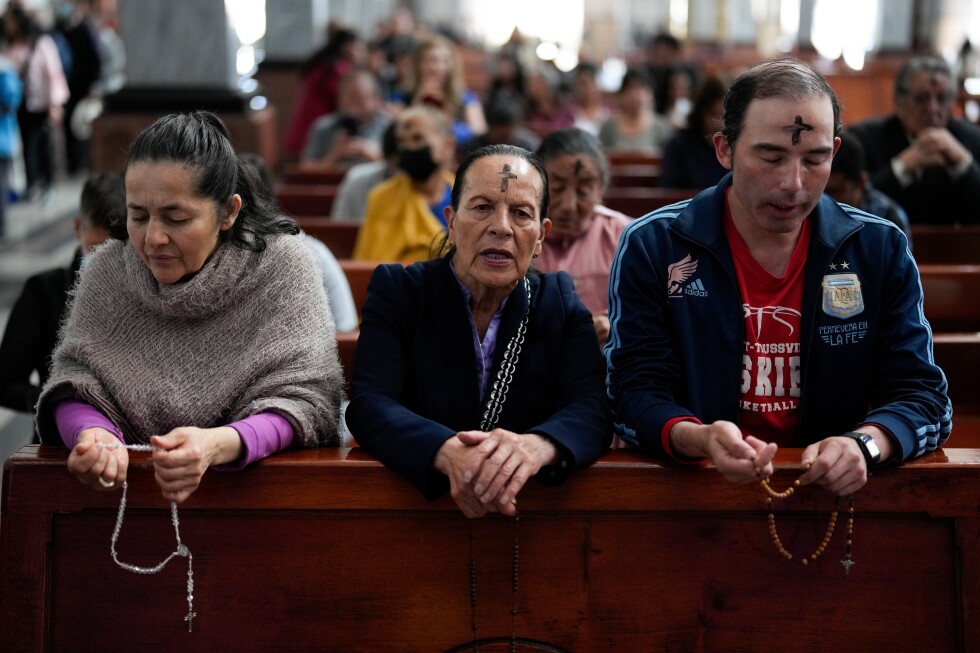
Ash Wednesday marks the beginning of Lent this week, ushering in a solemn period of reflection and penitence for millions of Christians worldwide. The observance serves as a stark reminder of human mortality and the need for spiritual renewal, with worshippers receiving ashes on their foreheads in the shape of a cross.
During these services, clergy typically say, “Remember that you are dust, and to dust you shall return,” or “Repent and believe in the Gospel,” emphasizing the temporary nature of earthly existence and the importance of spiritual matters.
For Roman Catholics between the ages of 18 and 59, Ash Wednesday represents an obligatory fast day, limiting food intake to one full meal and two smaller-than-usual meals. The practice extends beyond Catholicism, with many Protestant denominations—particularly Episcopalians and Lutherans—observing similar rituals.
In recent years, religious leaders have adapted to modern life’s hectic pace by offering “Ashes to Go” services. Clergy can now be found in parking lots, commuter-rail stations, airport chapels, and other public spaces, making the ritual accessible to those unable to attend traditional church services. This innovation reflects how religious institutions are finding ways to maintain traditions while accommodating contemporary lifestyles.
The observance of Ash Wednesday varies across Christian denominations. While some Protestant groups, including certain Baptist and evangelical communities, may not formally observe the day, they often maintain their own penitential practices. Pentecostals, for instance, frequently dedicate a period in January to fasting and consecrating the year ahead.
Interestingly, this year’s Christian Lenten season will coincide closely with Ramadan, the Muslim month of prayer and fasting, highlighting a rare calendar alignment between two of the world’s major religions.
Lent itself spans 40 days (excluding Sundays) leading to Easter, with the number 40 holding profound biblical significance. It recalls Jesus’s 40-day fast in the wilderness following his baptism, as well as other biblical periods of testing, judgment, and renewal. During this time, the faithful engage in prayer, charitable deeds, and various forms of self-discipline.
Many Christians speak of “giving up something for Lent”—traditionally items like chocolate, though in today’s digital age, reducing screen time has become increasingly common. Churches often organize additional devotional activities during this period. Catholics frequently participate in group meditations on the Stations of the Cross, commemorating events surrounding Jesus’s crucifixion.
The Lenten season isn’t entirely somber, however. Among American Catholic parishes, Friday fish fries have evolved into beloved traditions combining food, fundraising, and community bonding. These events stem from the Catholic practice of abstaining from meat on Fridays during Lent, with fish being permitted.
Ash Wednesday’s date varies annually, tied to Easter Sunday, which will fall on April 5 this year. Easter’s movable date follows an ancient formula, occurring on the first Sunday after the first full moon of spring, and can range from March 22 to April 25.
Eastern Orthodox Christians observe their “Great Lent” according to a different calendar. Their season begins on “Clean Monday” or “Pure Monday”—February 23 this year—and continues through the Friday before Holy Week, including Sundays. While they don’t use ashes, they do enter a similar period of penance and fasting. Orthodox Easter, or Pascha, typically falls later than Western Christian observances, landing on April 12 this year.
As these sacred observances approach, millions worldwide prepare to enter periods of spiritual reflection, regardless of their specific traditions or denominations, continuing centuries-old practices that remain meaningful in contemporary religious life.
Fact Checker
Verify the accuracy of this article using The Disinformation Commission analysis and real-time sources.

8 Comments
The obligatory fast for Catholics during Lent is a meaningful practice, though it must be challenging given today’s fast-paced lifestyles. I wonder how many people still strictly observe this tradition.
That’s a good point. Adapting ancient traditions to modern contexts is not easy, but finding ways to preserve their essence is important.
Interesting to see how Ash Wednesday traditions have evolved to meet the needs of modern life. The ‘Ashes to Go’ services seem like a thoughtful way to make the ritual more accessible.
I agree, it’s a creative adaptation that helps provide spiritual reflection opportunities for people with busy schedules.
The emphasis on spiritual renewal and human mortality during Ash Wednesday services seems particularly relevant in these uncertain times. It’s a powerful reminder to reflect on what truly matters.
I’m curious to learn more about the historical origins and evolution of Ash Wednesday rituals. How have they changed over the centuries to adapt to different cultural contexts?
Fish fries are a Lenten tradition I hadn’t heard of before. It’s interesting to see how different religious communities incorporate local customs and food into their observances.
Yes, the cultural blending is fascinating. Food often plays a central role in religious rituals and celebrations.