


Listen to the article
Indonesian Student Suspect in Mosque Bombing Acted Alone, Inspired by Online Extremists
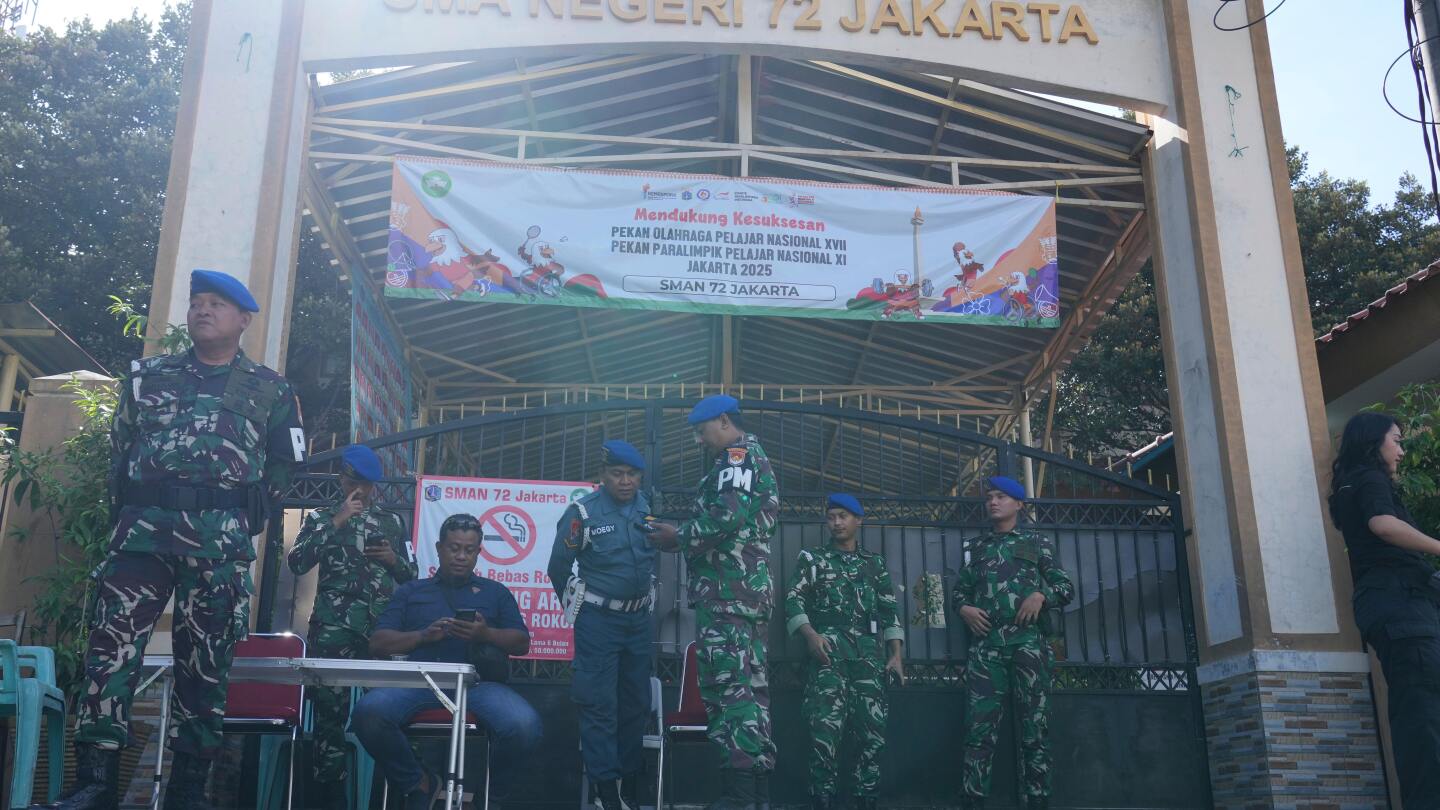
Indonesian authorities revealed Tuesday that a 17-year-old student suspected in last week’s bombing at a high school mosque in Jakarta had assembled homemade explosive devices and was inspired by online extremist content, though he had no connections to militant networks.
The teenage suspect, who remains hospitalized after undergoing two surgeries for injuries sustained in the attack, was described by police investigators as a socially isolated individual who had become obsessed with violent extremist material found online.
“This boy had been motivated to launch such an action,” said Jakarta Police Director of General Criminal Investigation Iman Imanuddin during a news conference. “He felt alone and had no place to express his complaints, either to his family, the community or at school.”
The blast, which occurred Friday at a school mosque in Indonesia’s capital, injured 96 people, including the suspect himself. According to Henik Maryanto of the police mobile brigade unit, the student had assembled seven crude bombs using basic materials such as 6-volt batteries, plastic jerry cans, remote controls, and sharp nails specifically intended to maximize casualties.
“We have secured the remaining active bombs that failed to explode,” Maryanto said, adding that four of the seven devices detonated during the attack. Authorities confirmed the suspect had acted alone, following bomb-making instructions found on the internet.
Police recovered a toy submachine gun belonging to the suspect that provided further evidence of his extremist influences. The toy weapon was inscribed with white supremacist slogans and the names of international extremists, including neo-Nazis convicted of deadly attacks in Canada and Italy, the perpetrator of the New Zealand mosque shootings, and a Columbine High School shooter.
“Those symbols and names are just violent figures and ideology that inspired the teenager to copycat, but there is no connection between the suspect and any terrorist network,” explained Mayndra Eka Wardhana, spokesperson for Indonesia’s elite counterterrorism squad.
The case highlights growing concerns about online radicalization among young people in Indonesia, the world’s largest Muslim-majority nation, which has struggled with various forms of extremism in recent decades. While Islamic extremist groups like Jemaah Islamiyah and ISIS-affiliated networks have historically posed the greatest threat, this incident suggests that international far-right extremism is also finding an audience among vulnerable Indonesian youth through online platforms.
Law enforcement officials stated that the suspect cannot be charged under Indonesia’s anti-terrorism law but could face prosecution for premeditated serious assault, which carries a maximum sentence of 12 years in prison. The decision reflects the assessment that the teenager acted without coordination with recognized terrorist organizations, despite adopting extremist ideologies.
The attack has had severe consequences for many victims. Authorities reported that more than half of the 96 injured students suffered hearing loss, with four experiencing sudden deafness. As of Tuesday, 11 students remained hospitalized, with one in critical condition due to extensive burns.
The bombing has prompted calls for increased mental health support in Indonesian schools and greater monitoring of students showing signs of isolation or radicalization. Education experts in the country have emphasized the need for early intervention programs that can identify vulnerable students before they turn to violence.
The incident also raises questions about access to extremist content online in Indonesia, where internet usage has grown rapidly but regulatory frameworks for content moderation remain underdeveloped compared to some other countries in the region.
As investigations continue, authorities are examining the suspect’s digital footprint to better understand his path to radicalization and potentially identify others who may be following similar trajectories.
Fact Checker
Verify the accuracy of this article using The Disinformation Commission analysis and real-time sources.

9 Comments
The details around how this teen was able to assemble explosives at home are worrying. Authorities need to thoroughly investigate how he obtained the materials and follow up on any potential gaps in security or access to dangerous items.
Absolutely, this incident demonstrates the importance of regulating access to materials that could be used to make homemade bombs, especially when it comes to young people.
It’s tragic that this isolated student felt compelled to carry out such a violent attack. While the police response seems appropriate, this case underscores the need for better mental health support and intervention programs to reach vulnerable youth before they turn to extremism.
Well said. Preventing radicalization requires a multi-pronged approach focused on community engagement, mental health resources, and disrupting the online spread of extremist ideologies.
While the details of this case are troubling, I’m glad the police were able to quickly apprehend the suspect and prevent further harm. Moving forward, a holistic strategy focusing on mental health, community engagement, and online safety will be crucial to address the root causes of such extremism.
This is a complex issue with no easy solutions. On one hand, the suspect acted alone without outside support, which is a positive. But the fact that a teenager could build explosives at home is extremely concerning and demands a thorough review of security protocols.
I agree, this incident highlights the need for a balanced approach that addresses both the online radicalization of vulnerable youth and the physical accessibility of dangerous materials.
This is a concerning incident. While it’s good that the suspect acted alone without connections to militant networks, the fact that a socially isolated teen was radicalized online and built homemade bombs is very troubling. More must be done to address youth isolation and counter extremist narratives online.
I agree, this highlights the need for stronger online safety measures and community outreach programs to support vulnerable youth before they turn to violence.