


Listen to the article
Algeria’s President Pardons Acclaimed Novelist After Year-Long Detention
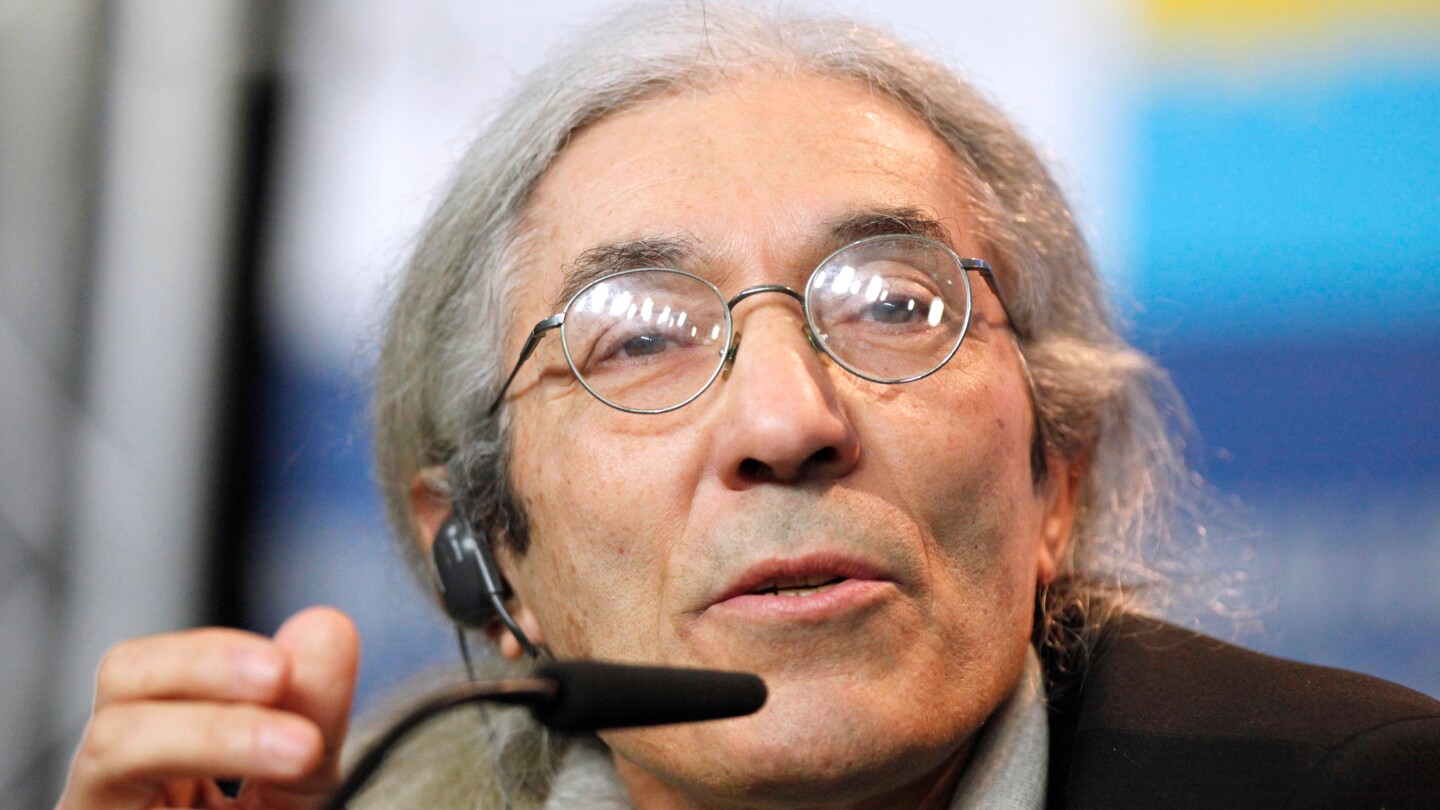
Algerian President Abdelmadjid Tebboune has granted a humanitarian pardon to award-winning French-Algerian novelist Boualem Sansal, ending a contentious year-long imprisonment that had strained diplomatic relations between Algeria and France.
The 76-year-old author, known for works critical of Islam, colonialism, and Algeria’s leadership, was arrested in November 2024 at Algiers airport upon returning from France. He was later convicted under Algeria’s anti-terrorism laws for allegedly undermining national unity and insulting public institutions, receiving a five-year prison sentence in March.
The decision to release Sansal came after German President Frank-Walter Steinmeier made a direct appeal to Tebboune, citing the novelist’s deteriorating health and battle with cancer. In Wednesday’s announcement, Tebboune’s office stated that Germany would assume responsibility for Sansal’s medical treatment, though details about where this would take place were not specified.
French President Emmanuel Macron welcomed the development on social media, writing: “Boualem Sansal is free and soon to return. My deep gratitude goes to President Steinmeier for our fruitful cooperation. I thank President Tebboune for this gesture of humanity.” French Prime Minister Sébastien Lecornu expressed similar sentiments before an applauding National Assembly, saying the government hoped Sansal would “rejoin his loved ones as soon as possible and receive treatment.”
Sansal’s case became a flashpoint in Franco-Algerian relations, which were already strained after France backed Morocco’s sovereignty claims over the disputed Western Sahara region. The novelist’s arrest came shortly after an October 2024 interview with right-wing French outlet Frontieres, where he questioned Algeria’s current borders, suggesting France had redrawn them during the colonial period to include lands that historically belonged to Morocco.
The imprisonment triggered widespread international condemnation. The European Parliament passed a resolution demanding his release, while prominent literary figures including Salman Rushdie, Kamel Daoud, and PEN International published open letters advocating for his freedom. Despite these appeals, Algerian authorities initially remained firm, with some French commentators suggesting Sansal was being used as a political lever against Paris.
The case unfolded amid a broader crackdown on dissent in Algeria. Since the 2019 pro-democracy protests that forced the military to oust longtime president Abdelaziz Bouteflika, Algerian authorities have intensified restrictions on free expression. According to Amnesty International and Algeria’s National Committee for the Liberation of Detainees, hundreds of journalists, activists, lawyers, and poets have been detained or imprisoned for speech-related offenses.
Sansal occupies a unique position in the literary landscape. While his books have faced bans in Algeria and are not widely read there, he enjoys substantial popularity in France, where his French-language novels criticizing Islam’s role in society have resonated with both the literary establishment and far-right political circles. His dystopian novel “2084: The End of the World,” drawing parallels between Islamism and totalitarianism, won France’s prestigious Grand Prix du Roman in 2015.
Before his arrest, Sansal had maintained connections to both countries, regularly traveling between Paris and Algiers despite friction with Algerian authorities over his published works. His pardon represents a rare moment of diplomatic conciliation in a case that had become emblematic of both Algeria’s tightening restrictions on free expression and the complex, often tense relationship between the North African nation and its former colonial ruler.
Fact Checker
Verify the accuracy of this article using The Disinformation Commission analysis and real-time sources.

8 Comments
This is a complex case with important free speech and human rights implications. I’m glad to see Sansal’s release, but the initial imprisonment raises concerns about the climate for dissent in Algeria.
Absolutely, the pardon is a positive step, but the circumstances leading to Sansal’s imprisonment remain troubling. Ongoing vigilance and dialogue will be important to protect fundamental freedoms.
It’s good to see Algeria taking this compassionate step, even if the initial imprisonment was concerning. Sansal’s writings have been influential, and his freedom to express his views, even critical ones, is important.
You raise a fair point. While the arrest was troubling, this pardon suggests the government may be willing to engage in more open discourse, which is positive for Algerian society.
The release of Sansal is welcome news, though the circumstances leading to his imprisonment are worrying. I hope this signals a shift towards greater respect for free speech and human rights in Algeria.
While the pardon is a welcome development, the fact that Sansal was imprisoned for his writings is concerning. I hope this represents a shift towards greater tolerance for critical voices in Algeria.
This is a complex and sensitive case involving free speech, security, and geopolitics. I hope Sansal can access the medical care he needs and that this pardon marks a step towards greater openness and respect for human rights in Algeria.
Agreed, the balance between national security and freedom of expression is always challenging. Hopefully this can lead to constructive dialogue and improvements going forward.