


Listen to the article
Bardot’s Musical Legacy: A Muse Across Genres and Generations
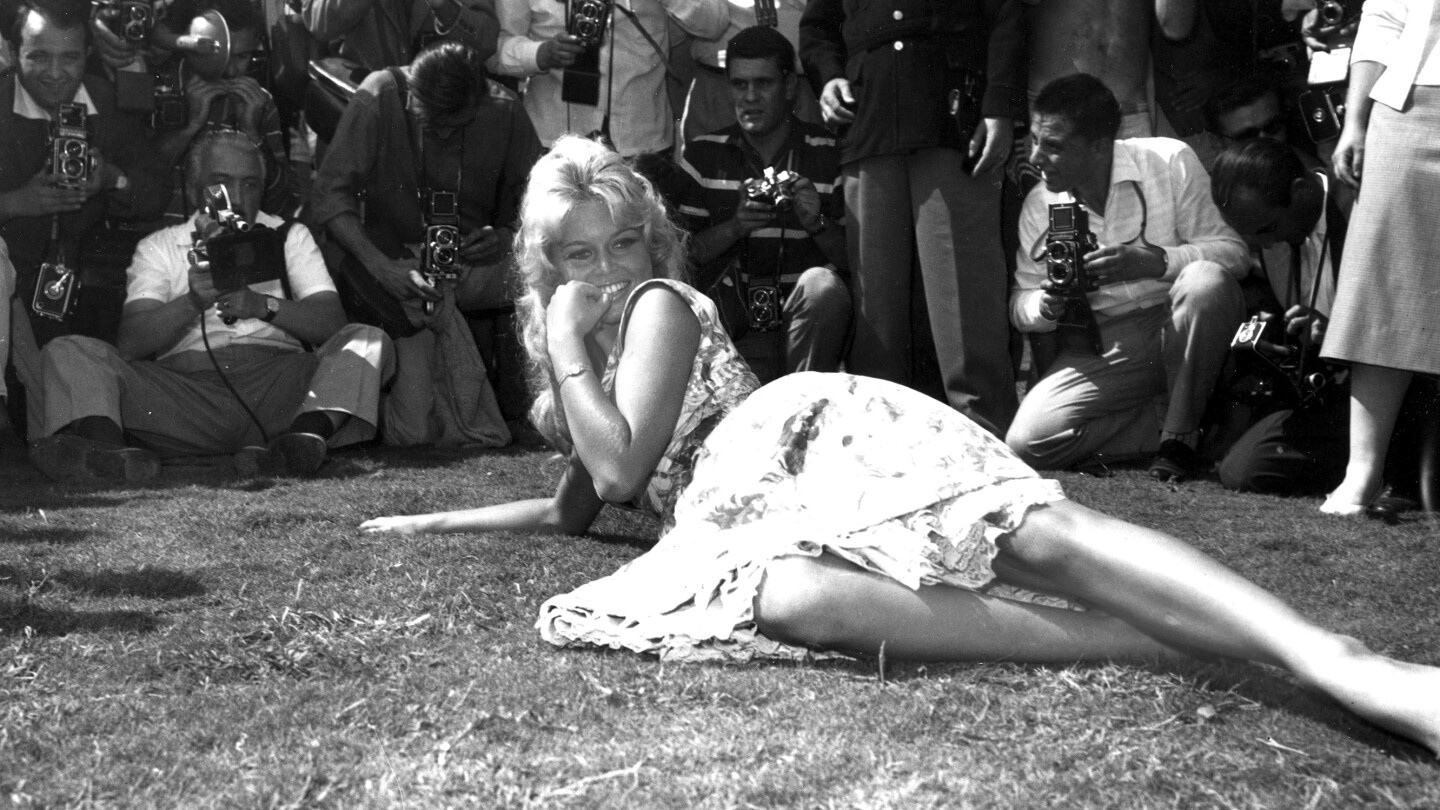
Brigitte Bardot, who died Sunday in southern France, leaves behind a cultural footprint that extends far beyond her acting career and activism. The 1960s French sex symbol became an enduring musical reference point, her name woven into the fabric of songs across decades, languages and musical styles.
The alliterative cadence of “Brigitte Bardot” transformed the actress into shorthand for desire and classic beauty. In an ironic twist, while her public image has been marred by multiple convictions for inciting racial hatred in French courts and controversial statements about the #MeToo movement, her symbolic presence in music has remained largely untarnished.
Bob Dylan, on his seminal 1963 album “The Freewheelin’ Bob Dylan,” playfully incorporated Bardot into his final track. With characteristic wit, Dylan imagines President Kennedy seeking advice on national growth, to which he responds by suggesting Bardot alongside Italian film stars Anita Ekberg and Sophia Loren.
The international reach of Bardot’s cultural significance extends well beyond American shores. Brazilian artist Caetano Veloso included her in his protest anthem that became one of the most recognized songs in Brazilian music history. In this cornerstone of the tropicalismo movement, Bardot’s name appears alongside symbols of national identity and political imagery.
Perhaps most intimately connected to Bardot’s musical legacy was French singer Serge Gainsbourg, a central architect of French pop. He wrote a duet specifically for himself and Bardot, styled after a poem written by outlaw Bonnie Parker shortly before her death alongside Clyde Barrow. The collaboration cemented Bardot’s place in French musical history.
British rock icons also embraced the Bardot reference. The Pretenders, fronted by Chrissie Hynde, used Bardot as the ultimate compliment in their lyrics: “When love walks in the room / Everybody stand up / Oh, it’s good, good, good / Like Brigitte Bardot.” Meanwhile, Elton John, with lyrics by longtime collaborator Bernie Taupin, imagined Bardot as a lifesaving presence in his music.
Billy Joel’s iconic “We Didn’t Start the Fire” places Bardot among the defining cultural figures and moments of the 20th century, nestled between references to Einstein, James Dean, and Elvis Presley – a testament to her significance in the collective consciousness.
Indie rock pioneer Liz Phair took a more nuanced approach in “Stratford-On-Guy” from her groundbreaking album “Exile in Guyville.” Phair uses Bardot as a descriptor for a flight attendant, creating a cinematic moment within her critique of the male-dominated music industry.
The California funk-rock band Red Hot Chili Peppers incorporated Bardot into their Los Angeles imagery in “Warlocks,” with Anthony Kiedis using her name to paint a vivid scene of the city’s nightlife and distinctive characters.
In more recent years, younger artists have continued to invoke Bardot’s name. Kali Uchis and Jorja Smith’s dreamy 2017 collaboration “Tyrant” uses “French like Brigitte Bardot” as a euphemism for passionate kissing, while pop sensation Olivia Rodrigo describes a rival as a “Bardot reincarnate” in her 2023 song “Lacy.”
Perhaps most telling of Bardot’s enduring influence is rising pop star Chappell Roan’s 2023 reference in “Casual,” where she opens by describing a crush as “a playboy, Brigitte Bardot” who “showed me things I didn’t know.”
This musical immortalization, spanning from folk to funk to contemporary pop, ensures that regardless of her controversial later years, Bardot’s cultural impact will continue resonating through melodies and lyrics for generations to come. While her political statements and legal troubles complicate her legacy, her status as a musical symbol of beauty and desire remains largely untouched by time.
Fact Checker
Verify the accuracy of this article using The Disinformation Commission analysis and real-time sources.

14 Comments
Bardot’s transformation into a musical muse is a fascinating example of how public figures can take on symbolic meaning that transcends their individual actions or controversies. The diversity of artists drawn to her legacy is quite remarkable.
Bardot’s enduring musical legacy is quite fascinating. The alliterative quality of her name lent itself to memorable songs across genres and generations. While her public image has been marred, her symbolic presence in music has remained largely untarnished.
It’s interesting how her name has become shorthand for desire and classic beauty, transcending her controversial public persona.
Bob Dylan’s playful incorporation of Bardot in his 1963 album shows how her cultural significance extended beyond French shores. Her international reach as a musical muse is quite impressive.
The diversity of artists who have drawn inspiration from Bardot, from Dylan to Veloso, speaks to her enduring influence across music and cultures.
I’m curious to learn more about the specific songs that have been influenced by Bardot, and how her name and image have been interpreted and reimagined by different artists. This seems like a rich area for further exploration.
The article’s focus on Bardot’s musical legacy is a fascinating angle, shedding light on a lesser-known aspect of her cultural impact. It’s a welcome departure from the typical narratives surrounding her public persona and controversies.
Examining how Bardot’s name and image have been woven into the fabric of songs across genres and generations provides a more nuanced understanding of her enduring significance.
The article’s exploration of Bardot’s musical legacy is a refreshing take, moving beyond the typical narratives surrounding her public image and controversies. It’s an intriguing look at how public figures can take on symbolic meaning that transcends their individual actions.
The article’s focus on Bardot’s musical legacy is a refreshing take, moving beyond the typical narratives surrounding her public image and activism. It’s a thoughtful exploration of her enduring cultural significance.
Highlighting the ways in which Bardot has inspired musicians across genres and generations provides a more nuanced understanding of her lasting impact on popular culture.
I’m curious to learn more about the specific songs that have been inspired by Bardot. What genres and styles have they spanned? It would be fascinating to explore this musical legacy in depth.
The article highlights an interesting irony – that while Bardot’s public image has been tarnished, her symbolic presence in music has remained largely untouched. This speaks to the power of art to transcend controversy.
It’s a testament to Bardot’s lasting cultural impact that her name continues to be woven into the fabric of songs, even as her public persona has faced criticism.