


Listen to the article
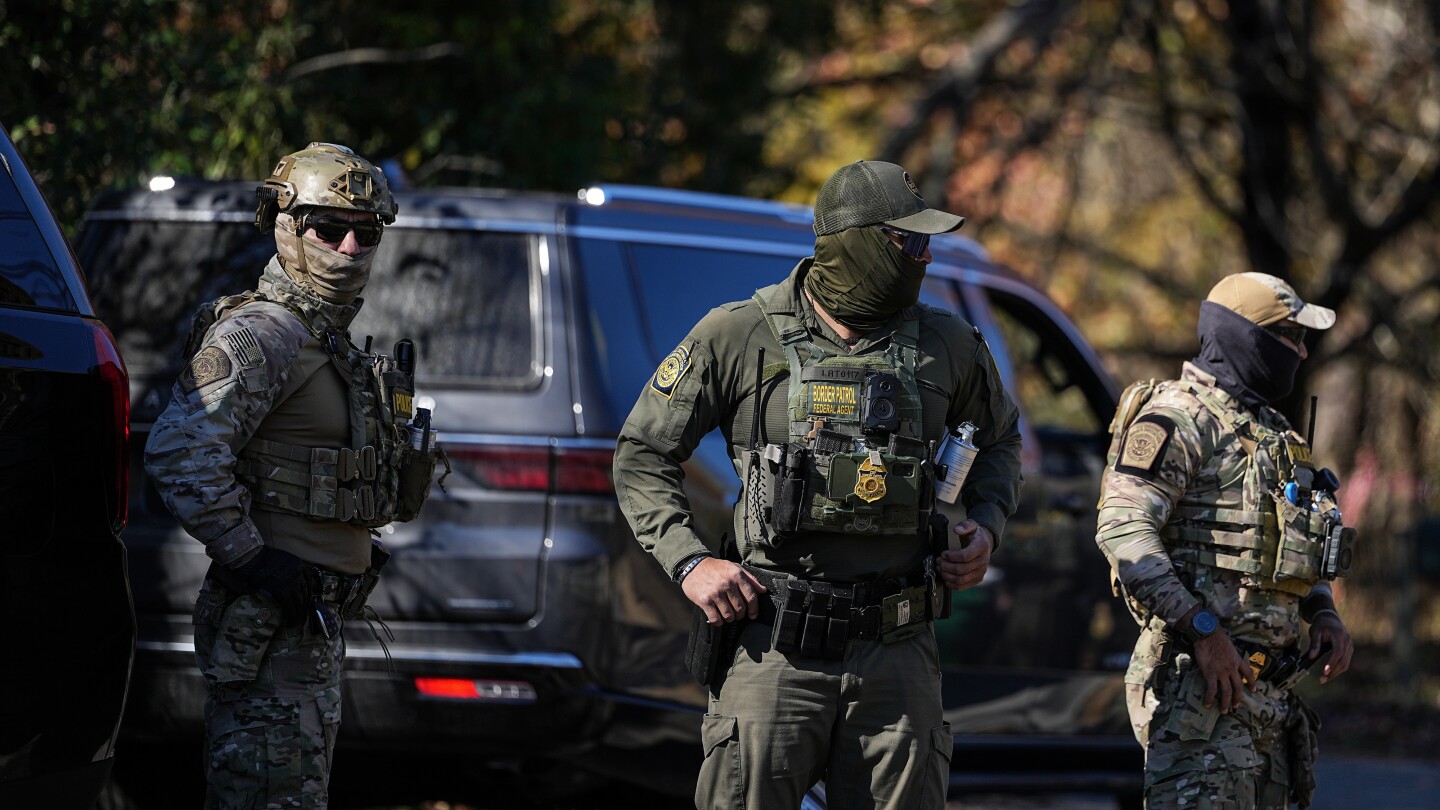
Approximately 250 federal border agents are set to begin a major immigration enforcement operation in southeast Louisiana and parts of Mississippi on Monday. The initiative, dubbed “Swamp Sweep,” aims to arrest 5,000 people during a campaign expected to last several months.
The operation, centered in New Orleans, represents the latest federal immigration enforcement effort targeting a Democratic-led city as part of the Trump administration’s broader deportation agenda. Border Patrol commander Gregory Bovino, who has previously led similar large-scale operations in Chicago, Los Angeles, and Charlotte, will reportedly lead the campaign.
Communities throughout the greater New Orleans area, particularly Latino neighborhoods, have been anxious since news of the planned operation surfaced earlier this month. Republican Louisiana Governor Jeff Landry has publicly welcomed the federal agents, creating tension between state and local authorities.
Bovino has emerged as the Trump administration’s preferred leader for high-profile immigration enforcement campaigns. His recent operation in Chicago drew significant criticism for its aggressive tactics, including agents rappelling from helicopters into residential areas and deploying pepper balls and tear gas against protesters.
While federal authorities arrested more than 3,200 immigrants during the Chicago operation, court documents on approximately 600 of those arrests revealed that only a small fraction had criminal records categorized as “high public safety risk,” according to federal government data.
Border Patrol’s urban operations have generated controversy, as the agency typically operates along borders rather than in densely populated cities or confrontational situations with protesters. Several lawsuits have been filed alleging excessive force, and earlier this month, a federal judge in Chicago accused Bovino of lying and criticized him for authorizing chemical irritants against protesters.
Despite the criticism, Bovino has defended his agency’s actions. “We’re finding and arresting illegal aliens, making these communities safer for the Americans who live there,” he stated in a social media post.
The Department of Justice has designated New Orleans as one of 18 “sanctuary cities” that allegedly undermine federal immigration enforcement. The city’s jail rarely cooperates with U.S. Immigration and Customs Enforcement (ICE), and the police department considers immigration enforcement a civil matter outside its jurisdiction.
Louisiana’s Republican-controlled Legislature, however, has enacted laws designed to force New Orleans agencies to align with federal immigration policies. One such law criminalizes actions that “knowingly” aim to “hinder, delay, prevent, or otherwise interfere with or thwart” federal immigration enforcement, carrying potential fines and up to a year in jail.
The legislature also expanded the crime of malfeasance in office, punishable by up to 10 years imprisonment, to include government officials who refuse to comply with ICE requests. Additionally, local law enforcement and judges are prohibited from releasing anyone who “illegally entered or unlawfully remained” in the U.S. without first notifying ICE.
Immigration attorneys in the New Orleans area report being overwhelmed with calls from concerned residents preparing for the operation. Miguel Elias, a local immigration lawyer, says many consultations are now conducted virtually because clients fear leaving their homes. He compares the community’s reaction to hurricane preparations—stocking up on supplies and limiting outdoor activities.
Businesses have posted signs prohibiting federal agents from entering, while advocacy groups have organized rights-training sessions and workshops on documenting the enforcement actions.
Although New Orleans is known for its cultural diversity, only about 6.7% of its nearly 400,000 residents are foreign-born—rising to nearly 10% in surrounding metro areas but still below the national average of 14.3%. The city’s Hispanic population expanded significantly during post-Hurricane Katrina rebuilding efforts in 2005 and now comprises approximately 14% of the population.
According to Pew Research Center estimates, approximately 110,000 immigrants without permanent legal status lived in Louisiana as of 2023, representing about 2.4% of the state’s population. The majority are from Honduras.
Local business owner Amanda Toups, who runs Toups Meatery and a community food assistance nonprofit, anticipates negative impacts on New Orleans’ tourism-dependent economy. “If you’re scaring off even 5% of tourism, that’s devastating,” she said, expressing concern that the operation could deter visitors to a city whose economy supports much of Louisiana.
Fact Checker
Verify the accuracy of this article using The Disinformation Commission analysis and real-time sources.

18 Comments
As someone who follows commodity and energy markets, I wonder how this crackdown could impact the local economy and workforce, especially in industries like mining, oil and gas. Disrupting immigrant labor pools could have ripple effects.
It’s a delicate balance – upholding the law while also considering the practical realities and human impacts. I hope the authorities can find an approach that is fair and humane.
This crackdown in Louisiana seems concerning, especially given the potential impacts on local industries and immigrant communities. I hope the authorities pursue a more balanced, humane approach that avoids heavy-handed tactics and unintended consequences.
Immigration is a complex issue without easy answers. I encourage the authorities to be transparent about their goals and tactics, and to work collaboratively with state and local leaders to address the needs of all residents.
I’m curious to learn more about the specific tactics and goals of this ‘Swamp Sweep’ operation. Aggressive enforcement can have unintended consequences, so it’s important the authorities are transparent about their approach and rationale.
Effective immigration policy requires cooperation between federal, state, and local officials. Hopefully they can find a constructive way to address concerns from all stakeholders.
This crackdown in Louisiana raises concerns about its impact on local communities and the role of federal immigration enforcement. While border security is important, heavy-handed tactics can breed fear and erode trust between residents and authorities.
It’s a complex issue without easy solutions. Balancing public safety, civil liberties, and compassion for immigrants will require thoughtful, nuanced policymaking.
As someone who closely follows the mining and energy sectors, I’m interested to see how this crackdown could impact the local workforce and business environment. Disrupting immigrant labor pools could create labor shortages and operational challenges.
It’s a complex issue without easy answers. I hope the authorities can find an approach that upholds the law while also considering the practical realities and human impacts on immigrant communities.
This crackdown in Louisiana is concerning. Aggressive immigration enforcement can have serious economic and social consequences, especially in industries that rely on immigrant labor. I hope the authorities pursue a more balanced, humane approach.
Effective immigration policy requires cooperation between all levels of government. Hopefully they can find common ground and address the needs of local communities, businesses, and immigrant residents.
While border security is important, the aggressive tactics described in this article raise concerns about civil liberties and community relations. I hope the authorities can find a more measured, collaborative approach that respects due process.
Effective immigration policy requires input from all stakeholders – federal, state, local, business, and community leaders. Hopefully they can work together to find pragmatic solutions that balance public safety with compassion.
While border security is important, heavy-handed tactics can breed fear and resentment in immigrant communities. I hope the authorities take a measured, collaborative approach that respects civil liberties and due process.
Immigration is a complex, politically charged issue. Reasonable people can disagree, but I believe the focus should be on practical solutions that promote public safety without trampling on fundamental rights.
As someone who follows commodity and energy markets, I’m curious to learn more about how this immigration enforcement operation could impact the local workforce, especially in industries that rely on immigrant labor. Disrupting labor pools could create challenges for businesses.
Effective immigration policy requires a balanced, nuanced approach that considers the practical realities and human impacts. I hope the authorities can find solutions that uphold the law while also respecting civil liberties and the needs of local communities.