


Listen to the article
At least 41 young men have died during traditional circumcision rituals in South Africa in the final months of 2023, government officials announced Tuesday, highlighting ongoing safety concerns with the cultural practice despite regulatory efforts.
The deaths occurred during the November-December summer initiation season, when thousands of adolescent boys and young men across the country participate in traditional coming-of-age ceremonies that include circumcision performed in remote settings.
Traditional Affairs Minister Velenkosini Hlabisa attributed the fatalities to negligence by both initiation school operators and parents who failed to adhere to safety standards and medical advice. He specifically cited dangerous practices at some schools, such as advising initiates to avoid drinking water, allegedly to promote faster healing.
“There is negligence in terms of meeting health standards in some of the initiation schools,” Hlabisa said during a broadcast statement. “If you take your child to an initiation school, you never make a follow-up, you do not monitor, you do not go there to see whether the child does drink water, you are placing your child at risk.”
The Eastern Cape province has emerged as the epicenter of the crisis, accounting for 21 of the reported deaths. This region has historically recorded high fatality rates during initiation seasons, prompting repeated interventions from health authorities.
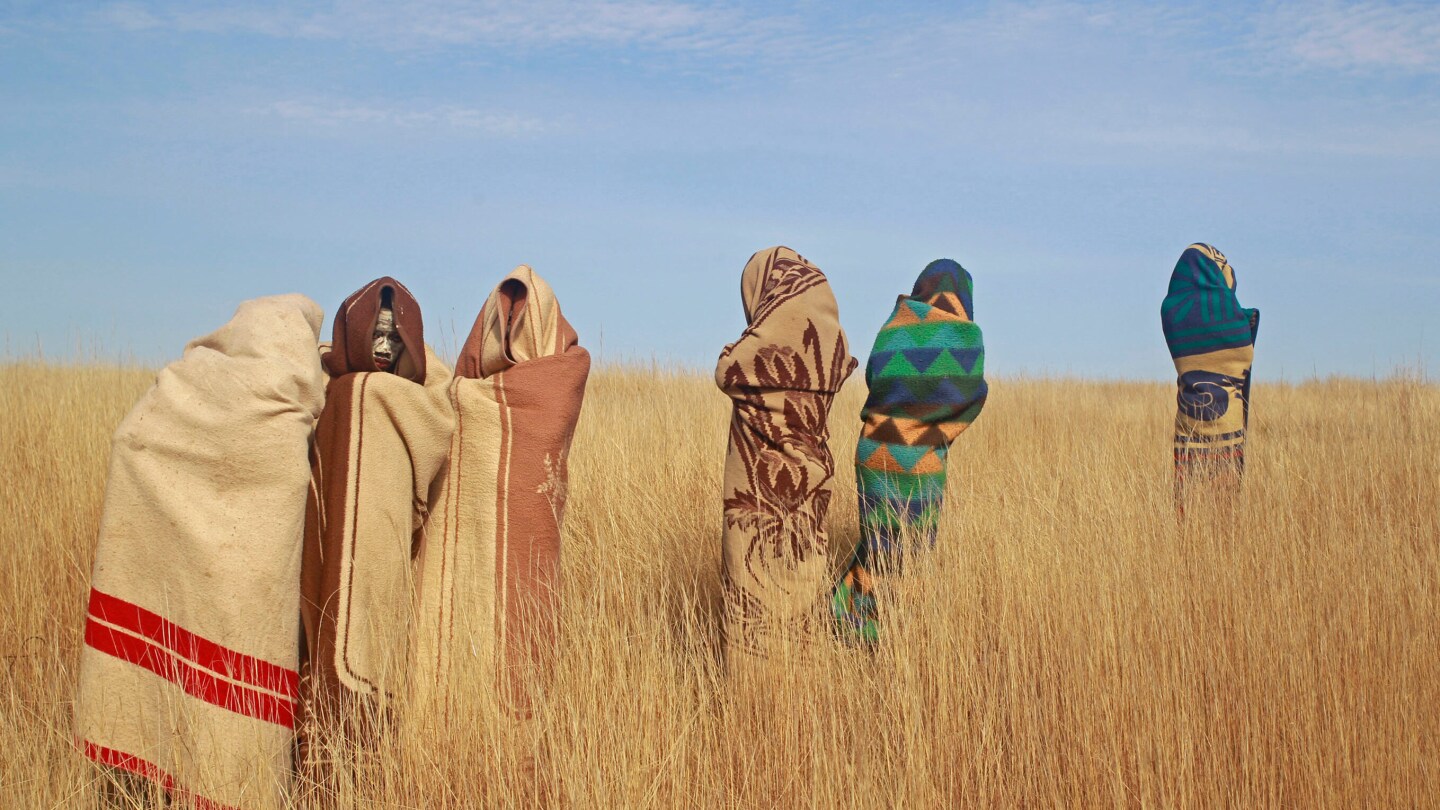
Traditional initiation ceremonies represent a deeply embedded rite of passage into manhood for several ethnic groups across South Africa, including the Xhosa, Ndebele, Sotho and Venda communities. During these ceremonies, young men are typically isolated in secluded areas where they undergo circumcision and receive instruction on cultural values and adult responsibilities.
These initiation periods usually coincide with school holidays, occurring during both winter (June-July) and summer (November-December) breaks to minimize disruption to education.
The South African government has attempted to regulate the practice through legislation requiring initiation schools to register with authorities and follow safety protocols. However, unregistered schools continue to operate widely, often motivated by financial gain, as parents traditionally pay fees for their children to participate in these ceremonies.
Authorities have responded with enforcement actions, arresting 41 individuals in connection with illegal initiation schools, including parents who misrepresented their children’s ages to gain admission. South African law stipulates that only adolescents 16 years and older may attend initiation schools, and only with parental consent.
Public health experts have long expressed concern about the traditional practice, calling for greater medical oversight while acknowledging the important cultural significance of these rituals. The ceremonies culminate in celebratory homecoming events when initiates return to their communities as recognized men.
This ongoing tension between cultural tradition and public health has created challenges for South African authorities as they attempt to preserve important heritage practices while preventing unnecessary deaths.
Similar initiation rituals are practiced throughout various African communities, though approaches to modernizing and safeguarding these traditions vary by region and country. South Africa’s regulatory framework represents an attempt to balance cultural preservation with health and safety concerns.
As the summer initiation season concludes, health officials are expected to conduct a comprehensive review of the incidents to develop improved safety protocols before the next initiation period begins in June 2024.
Fact Checker
Verify the accuracy of this article using The Disinformation Commission analysis and real-time sources.

7 Comments
This is a tragic situation. While cultural practices should be respected, the safety of participants must be the top priority. Authorities need to work closely with community leaders to ensure proper oversight and adherence to medical standards at these initiation ceremonies.
Negligence leading to so many young lives lost is heartbreaking. Cultural traditions are important, but not at the expense of basic health and safety. Authorities must find a way to work with communities to modernize these practices and prioritize participant wellbeing.
This is a devastating outcome. While respecting cultural practices is important, protecting human life has to be the top priority. More stringent safety protocols and medical oversight at these initiation ceremonies are clearly needed to prevent further tragedies.
Deeply concerning to see such a high death toll from what should be an important cultural ritual. Clearly more needs to be done to enforce health and safety standards at these initiation schools. Oversight and accountability are crucial to prevent future tragedies.
It’s heartbreaking to hear about these unnecessary deaths. Circumcision is a sensitive cultural practice, but the health and well-being of the young men must come first. Improved regulation and oversight are clearly needed to prevent such tragedies in the future.
Tragic and avoidable loss of life. While cultural practices deserve respect, they must evolve to protect participants. Authorities should work closely with community leaders to find ways to safely incorporate medical best practices into these initiation ceremonies.
This highlights the delicate balance between preserving cultural traditions and ensuring basic safety. The officials are right to call out the negligence by both operators and parents. Stronger enforcement of medical protocols could go a long way in preventing more young lives lost.