


Listen to the article
University of Bristol Research on Reducing Political Polarization Receives Ethical Approval
A series of six groundbreaking studies conducted at the University of Bristol has received ethical approval from the university’s Psychology Ethics Committee, signaling a major advancement in research on political polarization. The research, which explores methods to reduce affective polarization in online political discourse, adheres to rigorous ethical standards and research protocols established by the committee.
The studies focus specifically on developing “inoculation” techniques to help social media users resist sharing inflammatory political content. Each experiment was pre-registered with the Open Science Framework and AsPredicted, demonstrating a commitment to transparency and methodological rigor in the research process.
“The ethical oversight for this project was comprehensive,” noted a representative from the university. “All participants provided informed consent before taking part, and every aspect of the studies complied with the guidelines approved by the Research Ethics Committee.”
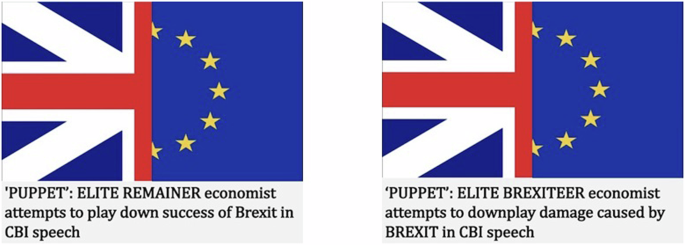
The first two experiments recruited politically representative samples of British adults through YouGov, focusing on Brexit identities. Participants identified as either “Leavers” or “Remainers” and had previously shared political content on social media. These carefully designed studies examined how a specially created inoculation video could influence participants’ likelihood of sharing affectively polarized political content online.
“The inoculation video specifically warned viewers against sharing derogatory content that uses techniques like scapegoating, ad-hominem attacks, and emotionally charged language,” explained one of the researchers involved in the project. “We wanted to see if exposing people to these manipulation techniques could help them resist sharing such divisive content.”
The research methodology was particularly innovative in its use of controlled experiments to test the effectiveness of inoculation interventions. Participants were randomly assigned to either watch the inoculation video or a control video about the British political system. They were then shown headlines that either used affectively polarized language (derogatory) or were more neutral in tone, and asked about their likelihood of clicking on or sharing such content.
Later experiments expanded this approach to American participants, focusing on contentious issues such as abortion rights. The third experiment utilized real headlines related to Roe v. Wade, collected from a dataset of tweets that had been manually labeled as pro-choice or pro-life.
In experiments four through six, researchers examined whether the inoculation approach could influence how participants write about controversial topics. Using natural language processing techniques and a specialized polarization dictionary, they analyzed participants’ responses for signs of affective polarization.
The research is particularly significant given the growing concern about online political polarization and its effects on democratic discourse. By identifying ways to reduce the sharing of inflammatory content, the findings could have important implications for how social media platforms address polarization and how users approach political content.
“This research represents a significant step forward in our understanding of online political behavior,” commented an independent expert not involved in the studies. “The fact that it has gone through proper ethical review and pre-registration gives added weight to the findings.”
Data collection for the series of experiments took place between 2022 and 2024, involving thousands of participants across multiple studies. The researchers employed rigorous quality control measures, including checks for abnormally fast responses and potential bot activity, ensuring the integrity of the collected data.
The findings from these studies could potentially inform the development of educational tools and interventions designed to reduce political polarization online, ultimately contributing to healthier democratic discourse in digital spaces.
Fact Checker
Verify the accuracy of this article using The Disinformation Commission analysis and real-time sources.

8 Comments
Interesting research on reducing political polarization on social media. Inoculation techniques sound like a promising approach to help users resist sharing inflammatory content. I’m curious to learn more about the specific methods used in the experiments.
Adherence to rigorous ethical standards and research protocols is crucial for this type of sensitive work. Glad to see the University of Bristol taking such a careful and transparent approach. Looking forward to seeing the full results of these studies.
Yes, the commitment to transparency through pre-registration is especially commendable. Rigorous methodology will be key to ensuring the credibility and impact of these findings.
Reducing affective polarization is a critical goal, as it can lead to increased misinformation, division, and societal conflict. Glad to see researchers tackling this issue head-on through ethical and methodologically rigorous studies.
Agreed. The potential societal impact of these findings, if successful, could be significant. Looking forward to seeing how this research progresses and what practical applications emerge.
Curious to understand how the “inoculation” process works in practice. Does it involve exposing users to a controlled dose of polarized content to build resilience? Or are there other innovative approaches being tested?
Political polarization is a major challenge for social media platforms and the broader public discourse. These inoculation techniques could be a valuable tool for empowering users to make more informed and responsible content decisions.
Ethical approval for sensitive research like this is essential. Kudos to the University of Bristol for their diligence in ensuring the studies adhere to the highest standards. Can’t wait to see the full results published.