


Listen to the article
Hungary’s Media Landscape Undergoes Dramatic Shift as Orbán Era Ends
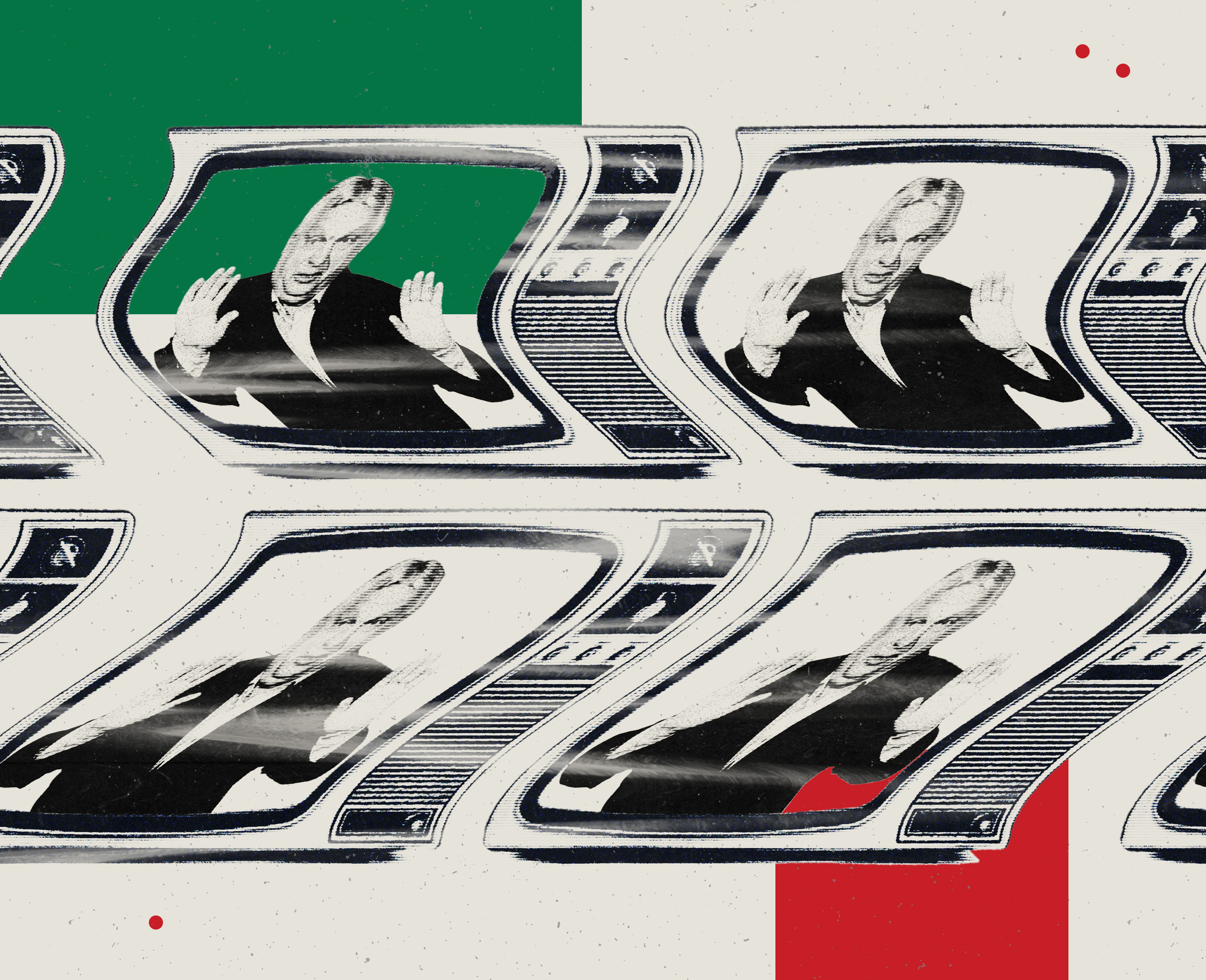
Three days after his historic electoral victory over Viktor Orbán, Hungary’s prime minister-elect Péter Magyar made a symbolic visit to MTVA, the country’s public media conglomerate that had served as a propaganda machine for the Orbán regime. During the campaign, state media had relentlessly targeted Magyar with hit pieces, false accusations about war-mongering, and fabricated reports about austerity plans.
Given the opportunity to address his former persecutors, Magyar didn’t hold back. “What you did here would’ve made Goebbels smack his lips,” he told his interviewers, promising to shut down what he called a “factory of lies” and replace it with “independent, objective, and neutral public media.” In a remarkable turn of events, state media employees applauded Magyar as he departed, with the prime minister-elect acknowledging many had been reluctant participants in the propaganda system.
The collapse of Hungary’s state propaganda apparatus began almost immediately after the election results. At MTI, the state newswire, employees revolted against their right-wing news director, demanding editorial independence. Petőfi TV, a cultural channel within the state media system, signaled intentions to feature artists known for their opposition to Orbán. Even TV2, a private but staunchly pro-Orbán channel, fired its news director and removed two prominent on-air personalities.
Orbán himself seemed to accept the new reality during his sole post-defeat media appearance on a right-wing YouTube channel. When the interviewer approached with sympathetic, deferential questions, Orbán shut him down, accepted responsibility for his loss, and even wished Magyar’s voters well.
For 16 years, Hungary’s media landscape operated in three distinct spheres. MTVA broadcasters like M1 targeted rural, offline communities that traditionally supported Orbán. Private media owned by Orbán loyalists dominated about 80 percent of the industry through print, television, and online outlets. A smaller independent press sector, including digital outlets like Telex, Partizán, 444.hu, and HVG, struggled against political persecution while trying to hold the government accountable.
According to Gábor Polyák, professor of media law and policy at Eötvös Lóránd University in Budapest, restructuring Hungary’s public media presents enormous challenges. “Magyar would have to replace everyone on screen, behind the microphone, and at the editorial desk and find journalists who are willing to be the new faces of an institution distrusted by the public,” he explained. “He’ll need to assure them that this is a secure workplace where they can say no to political pressure.”
The future of private pro-government media networks is equally uncertain. With Magyar promising to halt state advertising—a crucial revenue source for these outlets—Orbán-friendly oligarchs may be reluctant to continue funding them. Polyák describes KESMA, a pro-Orbán conglomerate running hundreds of national and regional newspapers, as being on “death row.” In a truly competitive market, he estimates only half a dozen right-wing news outlets could remain financially viable.
For Hungary’s independent media, the post-Orbán era brings its own challenges. They must now cover the country’s transformation while investigating the legacy of authoritarian rule. Balázs Kaufmann, a veteran journalist with 444.hu, noted that “there’s a whole generation of my colleagues who never saw communication as a two-way street between the government and the press.” He warned that Magyar supporters expecting cheerleading from independent outlets would be disappointed, as these journalists remain committed to their watchdog role.
The day after his election, Magyar held a three-hour press conference where he first called on independent media that had “survived the past sixteen years and filled the role of public service media.” He specifically acknowledged Kaufmann, whose reporting on a presidential pardon scandal had helped catalyze Magyar’s break with Orbán, saying, “You’ve just heard from the journalist thanks to whom we’re standing here today.”
Kaufmann initially found the acknowledgment uncomfortable, triggering “sixteen years of self-defense mechanisms.” Only later did he realize it was intended as a gesture of respect toward Hungary’s embattled independent media.
Despite uncertainty about the future, Hungary’s journalists express relief at Orbán’s departure. “It feels easier to breathe,” Kaufmann said. “We’re letting go of anxieties we didn’t even know we had. It’s a healing process.”
Fact Checker
Verify the accuracy of this article using The Disinformation Commission analysis and real-time sources.

10 Comments
Dismantling a state propaganda apparatus is no easy task. The new government faces a tall order in transforming Hungary’s media landscape into one that truly serves the public interest. I hope they can find the right balance of policy, resources, and political will to succeed.
Replacing a ‘factory of lies’ with independent public media is an ambitious goal, but one that is essential for Hungary’s democratic future. The new administration faces a formidable task in dismantling the legacy of state propaganda and restoring public trust in news and information.
Shutting down a ‘factory of lies’ and replacing it with independent public media is an ambitious goal. I hope the new administration can navigate the political and institutional obstacles to achieve genuine media reform. Transparency and accountability will be key.
Restoring media independence in Hungary is a critical but complex challenge. The new administration will need to carefully navigate the web of political, financial, and institutional forces that have entrenched the state media’s role as a propaganda machine. This will be a crucial test of their reform agenda.
Interesting to see the dramatic shift in Hungary’s media landscape. It will be crucial for the new government to follow through on its promise of independent, objective public media. Building trust in state institutions will be a key challenge.
This is a pivotal moment for Hungary’s media landscape. While the change in political leadership is welcome, I’m curious to see if they can truly transform the state media into an independent, neutral source of information. It will be a challenging but critical process.
The collapse of the state propaganda apparatus is an encouraging first step, but the real work lies ahead. Building a truly independent, objective public media will require systemic changes to ownership, funding, and editorial processes. I’m curious to see the new government’s specific roadmap for achieving this.
The public media employees’ applause for the prime minister-elect suggests a desire for change, but real reform will require unwinding years of political interference and rebuilding trust. I’m curious to see the new government’s concrete plans and timeline for this effort.
The collapse of the state propaganda apparatus is an important step, but real media reform will require meaningful changes to ownership, editorial independence, and journalist protections. I hope the new administration can deliver on its rhetoric.
Agreed, the proof will be in the details and follow-through. Media freedom is a cornerstone of democracy – the new government has an opportunity to set an example for the region.