


Listen to the article
A battalion commander in Taiwan’s military has received two demerits for showing a Chinese propaganda film to troops, in what defense officials are calling a lapse in judgment that violated military protocols.
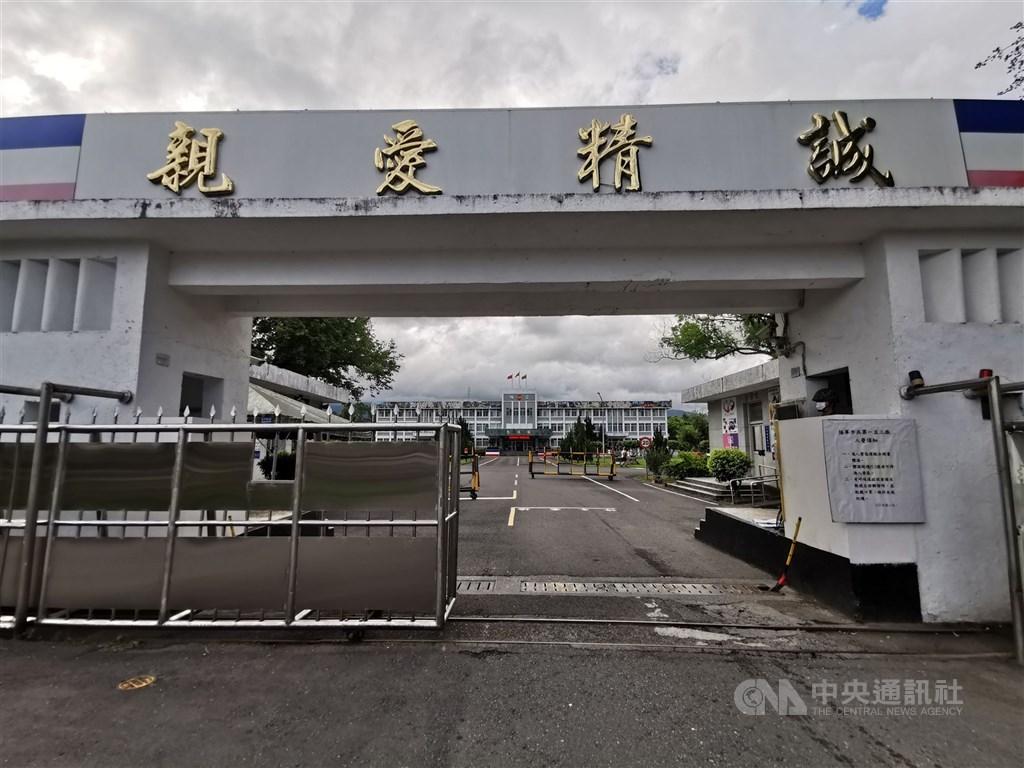
The Ministry of National Defense confirmed the disciplinary action after the commander screened the Chinese war film “The Eight Hundred” at the Sixth Army Command’s Jinliujie Camp in Yilan County in January. The film, which depicts Chinese Nationalist soldiers during the 1937 Battle of Shanghai, was streamed directly from YouTube without obtaining the required advance approval.
Democratic Progressive Party Legislator Wang Ting-yu raised concerns during a legislative committee meeting, criticizing the film for containing “united front” messaging—a reference to Beijing’s strategy of promoting cross-strait unity under mainland Chinese rule. Wang also noted the film had been shown to reservists on a tour bus during a recent call-up exercise.
Army Chief of Staff Lieutenant General Chen Chien-yi explained that the commander failed to recognize the film’s propagandistic nature despite it featuring the Republic of China flag and national anthem. These symbols, once exclusively associated with Taiwan’s government, were used in the film within a narrative framework that ultimately serves Chinese Communist Party (CCP) messaging goals.
“The commander failed to realize that it was packaged as Chinese Communist Party propaganda,” Chen said during the committee meeting.
This incident highlights the ongoing cognitive warfare tactics employed by Beijing against Taiwan’s armed forces. Military officials acknowledged that the CCP continues efforts to recruit low-level military personnel and distort perceptions about Taiwan’s national identity and defense priorities.
Major General Shih Shun-wen emphasized that military protocols require approval at least one day in advance for any media shown to troops—a rule that was clearly violated in this case. The army has characterized the screening as an “isolated incident” resulting from an individual commander’s error rather than a systemic problem.
The cognitive warfare challenge comes amid escalating tensions across the Taiwan Strait. China has intensified military exercises around Taiwan in recent years, while simultaneously deploying softer influence operations targeting Taiwanese society and institutions. These dual approaches form part of Beijing’s comprehensive strategy to undermine Taiwan’s separate identity and self-governance.
Minister of National Defense Wellington Koo responded to the incident by pledging to strengthen ideological education across Taiwan’s armed forces and review related disciplinary procedures. The military has already implemented various measures aimed at countering Chinese influence operations, though this incident suggests vulnerabilities remain.
The Jinliujie Camp was also recently in the headlines for another controversy involving discrimination. Earlier this month, a separate commander was removed from his post after publicly humiliating a Taiwanese-Japanese conscript during basic training, reportedly calling him a “Japanese devil” because of his nationality.
These incidents raise questions about leadership culture within certain units of Taiwan’s military at a time when the island faces increasing pressure from China. Military analysts suggest that maintaining clear ideological boundaries and strong national identity among troops is crucial for Taiwan’s defense readiness, particularly as China continues to claim Taiwan as part of its territory and refuses to renounce the use of force for potential “reunification.”
The disciplinary action against the battalion commander serves as a reminder of the invisible front lines in Taiwan’s defense—not just the physical boundaries of the island, but also the battle for the hearts and minds of its defenders.
Fact Checker
Verify the accuracy of this article using The Disinformation Commission analysis and real-time sources.

11 Comments
The commander should have recognized the propaganda elements in that film, even if it featured Taiwanese symbols. Screening such content without approval is a clear violation. I hope this incident leads to improved training to identify these issues.
While the intentions may have been benign, showing a Chinese propaganda film to troops is highly problematic. I’m glad the authorities acted swiftly to address this lapse in judgment and reinforce the importance of political neutrality in the military.
Exactly. Maintaining strict protocols around sensitive content is crucial, especially for the armed forces. This was likely an honest mistake, but still merited disciplinary action.
This seems like a lapse in judgment, but I’m glad the authorities took disciplinary action. Soldiers need to be extra cautious about avoiding any appearance of political influence, even unintentionally. Rigorous screening protocols are important for sensitive content.
You make a fair point. It’s reassuring that the military is taking this seriously and enforcing its policies.
Showing a Chinese propaganda film without approval is concerning, even if the commander didn’t recognize its true nature. The military needs to be extremely vigilant about avoiding any perception of undue influence, whether intentional or not. Proper training is key.
While the commander may not have recognized the propaganda elements, showing a Chinese film without prior approval was a serious misstep. The military must be extremely cautious about avoiding any perception of political influence, even inadvertently. Hopefully this incident leads to better training on identifying sensitive content.
This is a troubling incident that highlights the need for robust content screening procedures in the military. Even if the commander’s intentions were not malicious, screening a propaganda film is a clear violation of protocols. I hope this leads to improved training to identify such materials.
Agreed. Maintaining strict political neutrality in the armed forces is essential. This disciplinary action sends an important message about the seriousness of such lapses.
Screening a propaganda film without proper approval is concerning. The military should be vigilant about avoiding any perception of pro-Beijing messaging, even inadvertently. I hope the commander receives proper training to recognize these issues going forward.
Agreed. Maintaining impartiality and upholding military protocols is crucial, especially on sensitive geopolitical topics.