


Listen to the article
Nigeria’s newly launched International Media and Information Literacy Institute (IMILI) represents a significant step in the federal government’s ongoing battle against fake news and misinformation in the digital age.
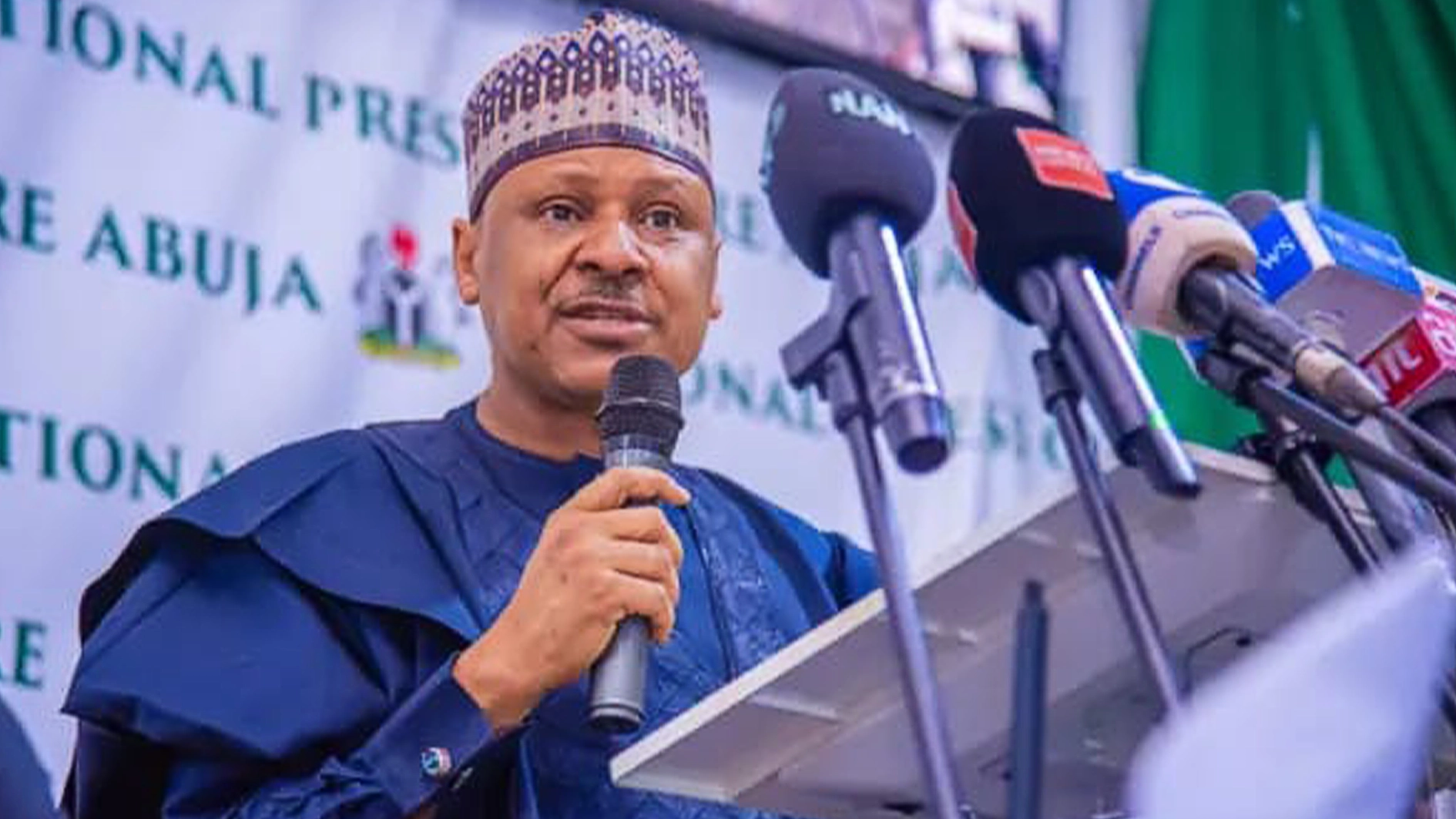
During the second day of the institute’s launch event in Abuja, Minister of Information and National Orientation Mohammed Idris emphasized that IMILI will position Nigeria as a central player in global efforts to promote responsible information consumption and sharing.
“This initiative reflects our deliberate strategy to equip citizens with the critical skills needed to navigate an increasingly complex information ecosystem,” said Dr. Dili Ezughah, Executive Secretary of the Nigerian Press Council (NPC), who represented the minister at the event.
The launch comes at a crucial time when digital literacy has become essential for citizens worldwide. The rapid proliferation of social media platforms and digital news sources has created unprecedented challenges in distinguishing fact from fiction, making media literacy initiatives increasingly important across Africa and globally.
In a notable appearance at the event, former Minister of Information and Culture Lai Mohammed addressed controversies from his tenure, particularly his decision to suspend Twitter (now X) in Nigeria. Mohammed described this as “one of the most difficult choices” he made while in office, maintaining it was necessary for national security reasons.
“My stance on misinformation made me a target of public backlash,” Mohammed acknowledged, referring to the criticism he received, particularly from younger Nigerians, for his advocacy of social media regulation. “Many interpreted my position as an attempt to stifle freedom of expression, but regulation should not be confused with censorship.”
Mohammed’s tenure was marked by contentious debates about the balance between combating harmful content and protecting free speech rights in Nigeria’s growing digital space. The Twitter ban in June 2021 sparked significant domestic and international outcry before being lifted in January 2022 after the platform agreed to certain conditions, including establishing a legal entity in Nigeria.
Dr. Lateef Olagunju, Secretary-General of the Nigerian National Commission for UNESCO, described IMILI as the culmination of years of collaborative work. He noted that the institute would empower Nigerians to “access, analyze and share information responsibly,” while positioning the country as a key player in global efforts against misinformation.
The establishment of IMILI represents a strategic approach to information management in Nigeria, where misinformation has been blamed for exacerbating ethnic tensions, spreading health misinformation during the COVID-19 pandemic, and influencing electoral processes. Media literacy has become increasingly recognized as an essential skill for democratic participation.
Media and information literacy experts suggest that institutions like IMILI could play a crucial role in building public resilience against false information. By equipping citizens with the tools to critically evaluate news sources and content, such initiatives aim to create more discerning information consumers.
Nigeria’s approach mirrors similar efforts across West Africa and globally, where governments and civil society organizations are investing in media literacy as a sustainable solution to misinformation challenges. However, critics maintain that such initiatives must be implemented transparently, with clear protections for legitimate free expression.
The launch of IMILI signals Nigeria’s commitment to addressing information disorder through education rather than purely regulatory approaches. As digital penetration continues to grow across Nigeria—home to Africa’s largest internet user population—the institute’s work could have far-reaching implications for how millions of citizens engage with and share information in the digital age.
Fact Checker
Verify the accuracy of this article using The Disinformation Commission analysis and real-time sources.

10 Comments
Interesting initiative to address the growing problem of misinformation online. Media literacy is so important in today’s digital landscape. Equipping citizens with critical thinking skills to navigate complex information is a wise investment.
Agreed. Distinguishing fact from fiction is increasingly difficult, so this type of program is sorely needed. I hope it’s effective in promoting responsible information consumption.
While media literacy initiatives are important, I wonder about the potential pitfalls of government-run programs. There’s always a risk of political bias or agenda-pushing. Transparency and independence will be key to the success of this institute.
That’s a fair concern. The government’s role should be to facilitate critical thinking skills, not impose a particular narrative. Maintaining objectivity and public trust will be crucial for this program to be truly effective.
As someone interested in the mining and energy sectors, I’m hopeful this media literacy initiative can help combat misinformation that sometimes circulates around those industries. Reliable, fact-based reporting is essential for informed decision-making.
Exactly. With so much at stake in extractive industries, ensuring the public has access to accurate, unbiased information is vital. This program could play an important role in fostering a more transparent and trustworthy information landscape.
It’s encouraging to see the Nigerian government taking proactive steps to address digital literacy. With the rapid growth of social media, teaching people to think critically about online information has never been more vital.
Absolutely. This type of program could serve as a model for other countries grappling with the challenges of the digital age. Investing in media literacy builds a more informed and resilient citizenry.
As someone who follows mining and commodity news closely, I’m curious how this media literacy program might impact reporting and discourse in those sectors. Accurate, unbiased information is crucial for investors and the public.
Good point. Misinformation can be especially harmful when it comes to highly technical and financially impactful topics like mining and commodities. This initiative could help bring more transparency and trust to those industries.