


Listen to the article
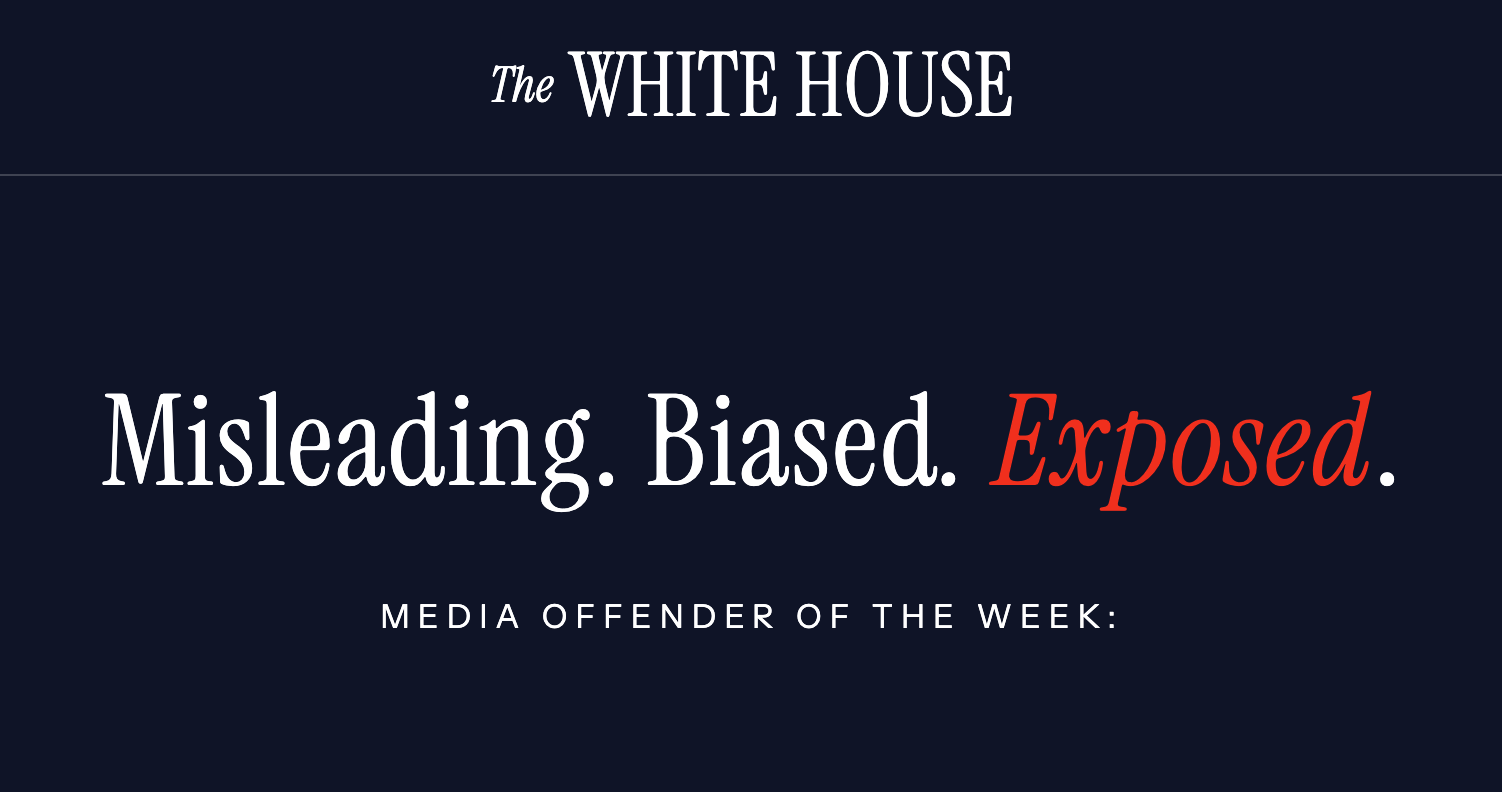
In a bold new stance on media accountability, the White House has initiated what observers are calling one of the most significant examinations of journalistic responsibility in recent years. The administration yesterday unveiled a comprehensive framework aimed at addressing what officials described as “systematic misinformation” across multiple media platforms.
The initiative follows months of growing concern over the accuracy of reporting on key policy issues, with particular focus on economic data, international relations, and public health information. According to White House sources, the framework was developed after an internal review identified numerous instances where news organizations presented information that “substantially misrepresented” administration policies and their impacts.
“The public deserves accurate information upon which to base critical decisions,” said White House Press Secretary in a briefing announcing the measures. “When media outlets consistently distort facts, it undermines democratic processes and public trust.”
The plan establishes a media monitoring unit that will publish regular fact-checking reports on major news stories. Officials emphasized this is not about censorship but accountability, with the reports being advisory rather than regulatory in nature. The administration stressed that the First Amendment remains “sacrosanct,” but argued that freedom of the press comes with responsibilities to accuracy and fairness.
Media industry representatives have responded with mixed reactions. The National Association of Broadcasters expressed “serious concerns” about potential government overreach, while the Society of Professional Journalists cautioned against what it called a “slippery slope” toward government influence over reporting.
“While we always support fact-based journalism, having the administration determine what constitutes accuracy creates obvious conflicts of interest,” said Eleanor Richardson, media ethics professor at Columbia University. “The line between accountability and intimidation can become dangerously blurred.”
The initiative identifies several major news organizations that the administration claims have repeatedly published misleading information. These include both traditional broadcast networks and digital platforms. While the White House stopped short of naming specific outlets in its official documentation, briefing materials referenced “persistent pattern offenders” across cable news, major newspapers, and digital media companies.
Technology and social media platforms face particular scrutiny under the new guidelines. The framework calls for greater transparency in how algorithms distribute news content and recommends partnerships between tech companies and independent fact-checkers to combat viral misinformation.
Industry analysts note the timing coincides with growing public skepticism toward media. A recent Gallup poll showed trust in mass media at near-historic lows, with only 34% of Americans expressing “a great deal” or “fair amount” of confidence in news reporting.
Constitutional scholars have weighed in on the legal implications. “The administration is walking a tightrope here,” said Jonathan Turley, professor at George Washington University Law School. “While government can certainly respond to what it views as inaccurate reporting, any action that could be interpreted as pressuring media organizations raises serious constitutional questions.”
The initiative also establishes a new channel for the public to report perceived media inaccuracies directly to the White House. Critics argue this could create an unwieldy complaint system that might be exploited for political purposes rather than genuine fact-checking.
Media watchdog groups have expressed cautious optimism. “We’ve long advocated for greater accountability in journalism,” said Diana Lopez of Media Matters Watch. “However, the enforcement mechanism matters tremendously. Who decides what’s true is always the central question.”
The White House plans to implement the framework over the next six months, beginning with the establishment of the monitoring unit and publication of quarterly reports on media accuracy regarding key policy areas.
As the debate unfolds, both supporters and critics agree on one point: the relationship between government and media is entering uncharted territory that could significantly reshape how information reaches the American public in coming years.
Fact Checker
Verify the accuracy of this article using The Disinformation Commission analysis and real-time sources.

11 Comments
Fact-checking is important, but I hope this initiative doesn’t devolve into a partisan attack on outlets the administration disagrees with. A free and independent press is essential for democracy.
Holding the media accountable is a noble goal, but the devil will be in the details. I hope this process is truly impartial and focuses on verifiable errors, not just ideological disagreements.
Interesting to see the White House taking a closer look at media accountability. Reliable, fact-based reporting is crucial for an informed public. I’m curious to hear more about the specific concerns and proposed solutions.
Reasonable people can disagree on the role of media and how to ensure accountability. This is a complex issue without easy answers. I hope the White House approach is thoughtful and avoids partisan attacks on the free press.
Well said. Balancing media accountability with press freedom is a delicate challenge. Nuance and good-faith dialogue will be essential.
Fact-checking and media monitoring could help address misinformation, but it’s important to ensure the process is objective and transparent. I hope this initiative leads to constructive dialogue rather than further polarization.
Agreed, balance and impartiality will be key. Maintaining public trust in news sources is vital for a healthy democracy.
As someone who follows energy and natural resource news, I’m interested to see if this report identifies any issues in coverage of those industries. Accurate reporting on topics like mining, commodities, and emerging technologies is important.
Media misinformation is a real concern, but any attempts to address it need to be done carefully and transparently. I’ll be interested to see the specific criteria and processes outlined in this report.
While misinformation is a real concern, I worry this could be used to unfairly target critical coverage. A healthy democracy requires a diversity of voices, even if they challenge the official narrative.
As someone who works in the mining industry, I’m curious to see if this report identifies issues in how that sector is covered. Objective, fact-based reporting is crucial for public understanding of complex topics.