


Listen to the article
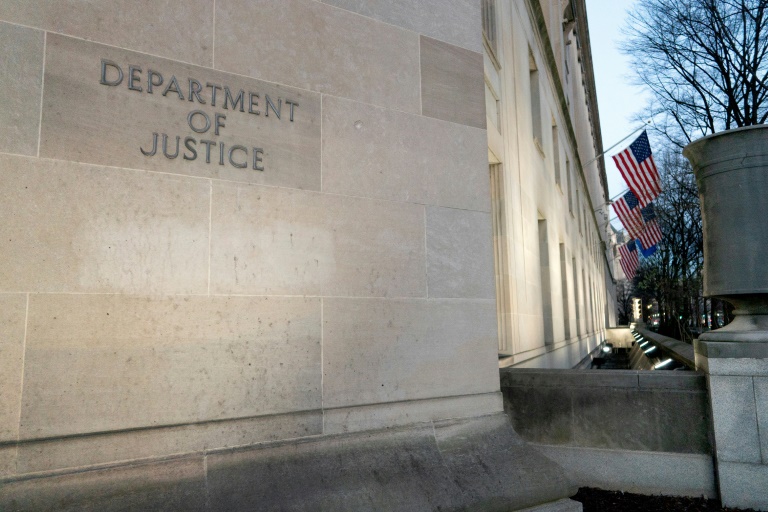
A Romanian national has been sentenced to four years in prison for orchestrating a widespread campaign of “swatting” attacks and bomb threats targeting numerous high-profile American individuals and institutions, according to a statement released by the U.S. Justice Department on Wednesday.
Thomasz Szabo, 27, who was extradited from Romania to the United States in November 2024, had previously pleaded guilty to conspiracy and making threats involving explosives in June. The sentencing marks the conclusion of a case that highlighted the growing threat of malicious hoax emergency calls designed to provoke armed police responses.
“Members of Congress, cabinet officials, the heads of federal law enforcement agencies, churches, journalists — Thomasz Szabo and his followers targeted them all with swatting calls and fake bomb threats designed to send armed police to their doors,” said U.S. Attorney Jeanine Pirro in the Justice Department’s statement.
The term “swatting” derives from the heavily armed Special Weapons and Tactics (SWAT) teams that respond to high-risk emergency situations across the United States. These dangerous hoaxes typically involve someone making false reports of violent crimes or imminent threats at a specific location, prompting an immediate and often aggressive law enforcement response.
Court documents revealed that Szabo acted as the organizer and moderator of several online chat groups formed in 2020 where he and his co-conspirators coordinated their activities. Within these groups, Szabo operated under various online aliases, including “Jonah,” “Plank,” “Rambler,” and “War Lord.”
The false reports made to law enforcement by Szabo and his network were diverse and alarming in nature. They included fabricated bomb threats, as well as false claims of homicides, suicides, kidnappings, and active shooter situations.
Among the most serious incidents attributed to the group was a December 2020 threat to commit a mass shooting at synagogues in New York City, raising concerns about potential hate crimes and causing significant resources to be diverted to investigate the threat. In another notable incident from January 2021, the group called in a false threat about a bomb at the U.S. Capitol and an alleged plot to assassinate then President-elect Donald Trump.
The case highlights the serious nature of swatting, which has evolved from isolated pranks within gaming communities to a form of targeted harassment with potentially deadly consequences. Law enforcement agencies have grown increasingly concerned about the practice, as heavily armed police responses to falsely reported emergencies can endanger innocent people and drain valuable public safety resources.
Security experts note that swatting incidents have risen sharply in recent years, facilitated by technologies that allow perpetrators to mask their identities and locations. The targeting of public figures, government officials, and institutions represents an escalation of this trend, with implications for public safety and national security.
The four-year prison sentence handed to Szabo sends a clear message about the seriousness with which U.S. authorities view such offenses, particularly when they target government officials or critical infrastructure. The successful international cooperation between U.S. and Romanian authorities in securing Szabo’s extradition also demonstrates the growing global response to cyber-enabled threats that cross national boundaries.
Law enforcement officials hope that high-profile prosecutions like Szabo’s will serve as a deterrent to others who might consider similar activities, while also highlighting the need for continued vigilance and improved protocols for verifying emergency reports in the digital age.
Fact Checker
Verify the accuracy of this article using The Disinformation Commission analysis and real-time sources.

14 Comments
The ‘swatting’ attacks in this case were a serious abuse of emergency services and a threat to public safety. I’m glad the perpetrator was held accountable with a four-year prison sentence. Misusing 911 calls to endanger innocent lives should be met with harsh penalties.
I agree, this sentencing sends a clear message that ‘swatting’ will not be tolerated. Stronger deterrents are crucial to protect the public from these malicious hoaxes that can have devastating consequences.
This is a concerning case of ‘swatting’ attacks that targeted high-profile individuals. Misusing emergency services to provoke armed police responses is extremely dangerous and must be taken seriously. Four years in prison seems like an appropriate sentence to deter such reckless and harmful behavior.
I agree, these malicious hoax calls can have disastrous consequences. Stricter penalties for ‘swatting’ are necessary to protect public safety and prevent further abuse of emergency services.
This ‘swatting’ case is deeply concerning. Targeting high-profile individuals with false emergency calls and bomb threats is an egregious abuse of power that can have devastating consequences. The four-year sentence seems appropriate to deter such reckless and harmful behavior.
This is a disturbing case of ‘swatting’ attacks targeting prominent figures. Misusing emergency services to send armed police to someone’s door is an extremely dangerous abuse of power that must be met with harsh consequences. Four years in prison seems like a fitting punishment.
Sending armed police to someone’s door under false pretenses is a terrible abuse of power. I’m glad the perpetrator was caught and sentenced for these ‘swatting’ attacks targeting high-profile individuals. Misusing emergency services in this way should be harshly punished.
Absolutely. ‘Swatting’ is not a harmless prank, it’s a serious crime that can endanger innocent lives. This sentence sends a strong message that such behavior will not be tolerated.
While the four-year sentence is a step in the right direction, the threat of ‘swatting’ attacks targeting high-profile individuals remains a serious concern. Misusing emergency services to provoke armed police responses is reckless and puts innocent lives at risk. More must be done to address this growing problem.
While I’m glad the perpetrator was held accountable, this case highlights the growing threat of ‘swatting’ attacks. Misusing emergency services to provoke armed police responses is extremely reckless and can have disastrous consequences. Stronger deterrents are needed to prevent such crimes in the future.
I agree, this sentencing is an important step in addressing the growing issue of ‘swatting’. Malicious hoax calls that endanger public safety should be met with strict penalties to protect innocent lives.
Four years in prison seems like an appropriate sentence for these ‘swatting’ attacks that threatened the safety of high-profile individuals. Misusing emergency services to provoke armed police responses is extremely reckless and the punishment should fit the severity of the crime.
I agree, the sentencing in this case sends a clear message that ‘swatting’ will be taken seriously. Protecting public safety should be the top priority when dealing with these malicious hoaxes.
While I’m relieved the ‘swatting’ perpetrator was held accountable, this case highlights the growing threat of malicious hoax calls targeting public figures. I hope this sentencing will deter similar crimes and lead to better protections against these dangerous swatting attacks.