


Listen to the article
Nigeria Launches International Media Literacy Institute to Combat Fake News
The Federal Government of Nigeria has unveiled the International Media and Information Literacy Institute (IMILI), positioning the country at the forefront of global efforts to combat fake news and disinformation. The initiative aims to equip citizens with critical skills necessary to navigate today’s complex digital information landscape.
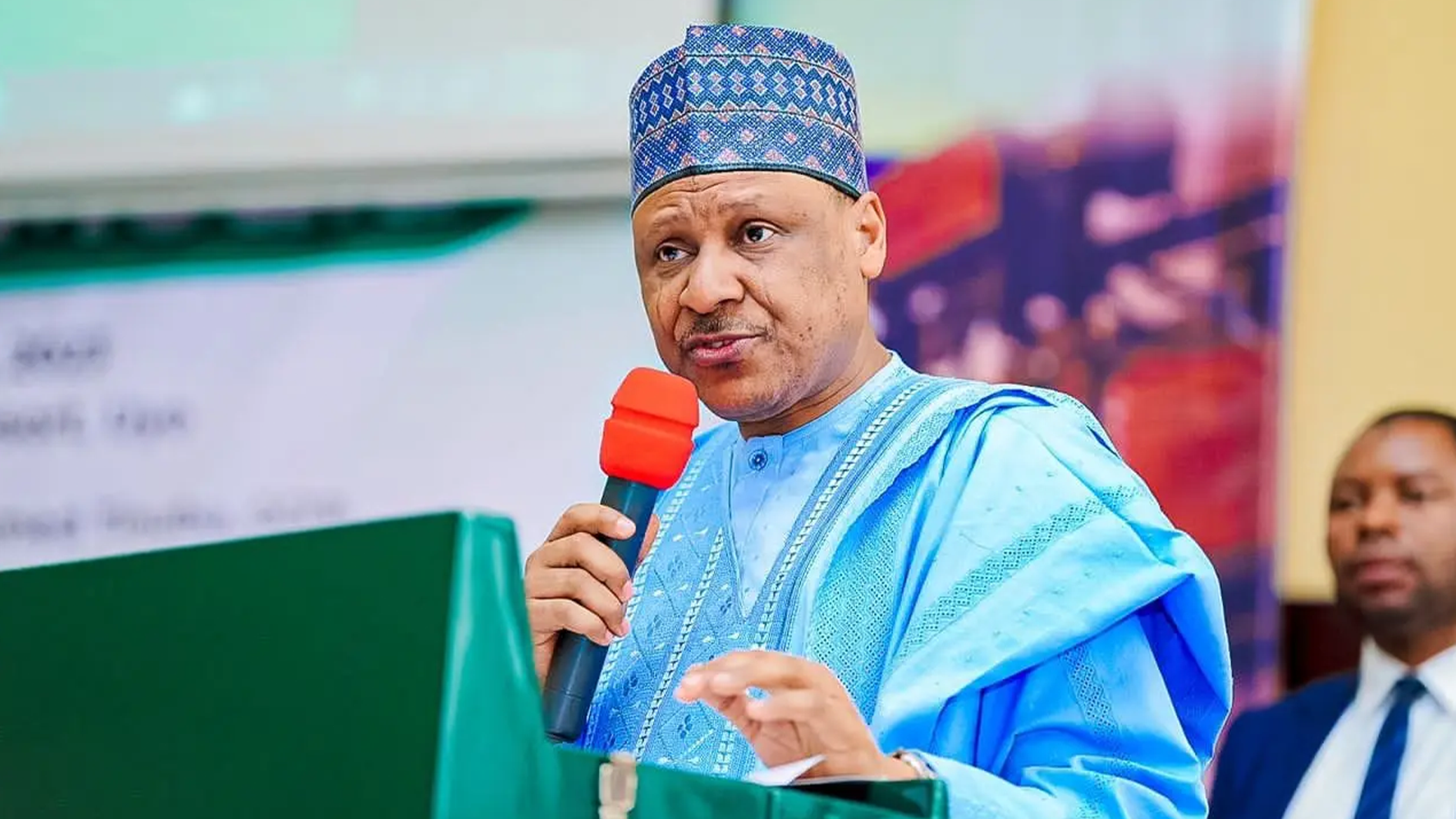
Speaking at the conclusion of the institute’s two-day launch event in Abuja, Minister of Information and National Orientation Mohammed Idris characterized the establishment of IMILI as “more than a ceremonial event,” but rather the beginning of a sustained national and global commitment to strengthening knowledge systems and rebuilding trust in information. The minister was represented at the event by Dr. Dili Ezughah, Executive Secretary of the Nigerian Press Council.
The launch featured the presentation of IMILI’s strategic plan for 2026-2030 and included multi-sectoral panel discussions that highlighted the urgent need for collaborative approaches across government, academia, civil society, the private sector, and media organizations.
“The success of media and information literacy cannot rest on any one institution alone. It requires a whole-of-society approach anchored on partnership, shared responsibility and sustained engagement,” Idris emphasized, underscoring the institute’s role as a platform for collaboration and measurable impact in addressing information disorder.
The minister noted that in an era defined by rapid technological advancement, artificial intelligence, and constant information flow, media literacy has become essential rather than optional. He warned that fake news and manipulated content are eroding trust in institutions, posing serious threats to governance, peace, and social cohesion across societies.
“The ability to think critically, verify facts and engage responsibly is fundamental to the health of our societies and the strength of our democracy,” he stated.
As the world’s first UNESCO Category 2 Institute dedicated specifically to media and information literacy, IMILI places Nigeria in a leadership position for global efforts promoting informed citizenship and responsible communication. The Information Ministry has committed to providing institutional support for the institute, working alongside UNESCO and other international partners to implement its programs effectively.
The origins of IMILI can be traced back to the tenure of former Information Minister Lai Mohammed, who also attended the launch event. During his time in office, Mohammed faced significant criticism for his positions on regulating social media and confronting disinformation.
At the event, Mohammed revisited the controversies of his tenure, particularly his advocacy for social media regulation, which many Nigerians—especially younger citizens—interpreted as an attempt to limit freedom of expression. He referenced the #EndSARS protests as an example of how unverified information can shape narratives and heighten tensions across the country.
Mohammed also defended his controversial 2021 decision to suspend Twitter operations in Nigeria, acknowledging it was unpopular among younger users and digital entrepreneurs dependent on the platform but maintaining it was necessary for national security reasons.
“We did not suspend Twitter for politics. We suspended it because it had become a platform for those who wanted to destabilize the country,” Mohammed explained. “Where there is a conflict between private interest and national security, national security must take precedence.”
The proposal for IMILI gained momentum after Nigeria hosted the Global Media and Information Literacy Week in 2022, where the country committed to establishing a dedicated institute to address disinformation challenges. The initiative later received formal endorsement from UNESCO member states, culminating in IMILI’s establishment as a global hub for research, capacity building, and policy engagement.
The launch of IMILI represents a significant step in Nigeria’s efforts to combat the growing global challenge of misinformation while positioning the country as a leader in promoting digital literacy across Africa and beyond.
Fact Checker
Verify the accuracy of this article using The Disinformation Commission analysis and real-time sources.

11 Comments
This initiative is a welcome step in combating the growing threat of fake news. Building media literacy is crucial for citizens to critically assess information and separate fact from fiction.
Agreed. Disinformation can have serious real-world consequences, so equipping the public with the skills to navigate the digital landscape is imperative.
The establishment of the International Media and Information Literacy Institute in Nigeria is an important milestone. I’m curious to learn more about its specific programs and how they plan to reach and engage citizens.
Yes, the details of the institute’s strategic plan and implementation will be crucial to its long-term impact. I hope they take a comprehensive, multi-stakeholder approach.
Rebuilding public trust in information sources is a major challenge globally. This initiative seems aimed at empowering Nigerians to be more discerning consumers of news and digital content.
Fake news and disinformation can have serious consequences for public discourse and decision-making. I hope this program in Nigeria can serve as a model for other countries to emulate.
Agreed. Building media literacy on a global scale is crucial to maintaining a healthy information ecosystem.
While the initiative seems promising, the true test will be in its implementation and long-term impact. I’m curious to see how the institute plans to measure and evaluate its effectiveness.
Addressing the spread of misinformation requires a sustained, multi-pronged effort. I’m glad to see Nigeria taking a proactive stance on media literacy education.
Absolutely. Collaborative efforts across sectors will be key to the success of this program in the long run.
The digital age has made it increasingly difficult for the average person to distinguish truth from falsehood. This institute’s mission to equip citizens with critical thinking skills is much needed.