


Listen to the article
A China-linked campaign sought to disrupt Tibetan exile elections through widespread disinformation efforts, according to research findings released Tuesday. The coordinated operation, while extensive in scope, ultimately failed to gain meaningful traction among its target audience.
Researchers at the Digital Forensic Research Lab (DFRLab) identified the campaign as part of “Spamouflage,” a sophisticated influence network with established ties to Beijing. The operation deployed coordinated tactics across Facebook, X (formerly Twitter), and Instagram during the 2026 Tibetan general elections, which were conducted across 27 countries.
The investigation uncovered 90 Facebook accounts and 13 Instagram profiles associated with the network. These accounts disseminated AI-generated content and synchronized messaging designed to undermine confidence in the Tibetan democratic process and leadership.
“This appears to be a systematic attempt to sow division within the Tibetan exile community at a critical political moment,” said a DFRLab spokesperson who requested anonymity due to the sensitive nature of the research.
The campaign specifically targeted Central Tibetan Administration President Penpa Tsering, who was seeking re-election. Fake accounts portrayed him as “corrupt and power-hungry” while simultaneously attempting to delegitimize the entire electoral process. Researchers noted the operation worked to amplify existing internal disputes within the exile community.
Another prominent narrative pushed by the network suggested the exile administration was disproportionately influenced by monastic figures and the 14th Dalai Lama, the Tibetan spiritual leader who has lived in exile since 1959 following China’s annexation of Tibet.
“The broader strategic objective appears multifaceted,” the report stated. “Beyond creating internal division, the campaign aimed to erode trust in the exile government, weaken its international credibility, and cast doubt on its ability to represent Tibetans independently.”
Despite its comprehensive approach, the disinformation effort gained little organic engagement from legitimate users. Most identified accounts maintained low visibility profiles rather than established pages with significant followership. Content amplification primarily occurred within the network itself through coordinated sharing between inauthentic accounts.
This pattern of ineffectiveness reflects similar observations in previous campaigns targeting Tibetan organizations. In 2025, the same network circulated corruption allegations against the International Tibet Network, an umbrella organization coordinating the work of more than 120 Tibet-related advocacy groups worldwide. Several accounts involved in the recent election interference were traced back to earlier campaigns dating to 2022.
The Spamouflage network has demonstrated remarkable adaptability, regularly repurposing its digital assets to target multiple geopolitical contexts. DFRLab researchers observed that some accounts recently pivoted to content related to the Philippines, while similar campaigns previously focused on U.S. politics, Taiwan’s 2024 elections, and Japanese domestic issues.
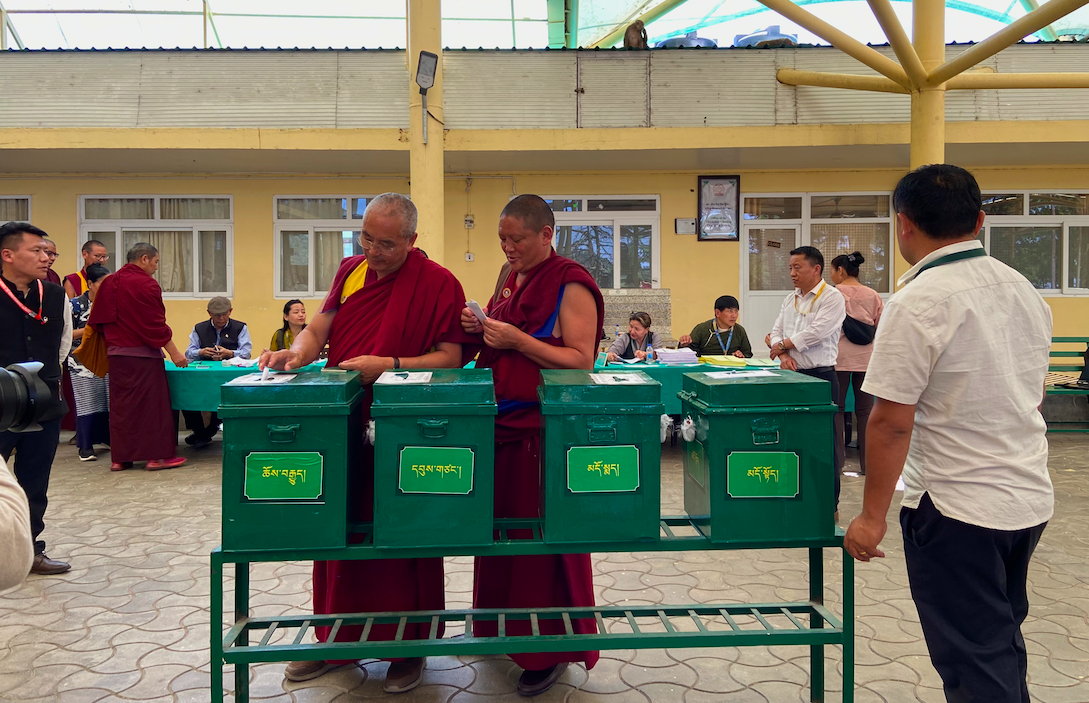
The final phase of the 2026 Tibetan parliamentary elections concluded on April 26, with approximately 91,000 exile Tibetans registered to vote from 27 countries. Results are expected to be announced on May 13.
Chinese state media and officials have dismissed the elections as an “institutional illusion” and characterized the democratic process as “separatist” activity. China has consistently rejected the legitimacy of the Tibetan government-in-exile, which has operated from Dharamshala, India, since 1959.
This latest disinformation attempt highlights the ongoing digital dimension of China’s efforts to influence Tibetan exile politics. While Beijing has long opposed the exile government diplomatically, these findings demonstrate an evolution toward more sophisticated information operations designed to undermine exile institutions from within.
Cybersecurity experts note that such influence operations, even when unsuccessful, represent a concerning trend in transnational political interference that may become increasingly difficult to detect as techniques evolve.
Fact Checker
Verify the accuracy of this article using The Disinformation Commission analysis and real-time sources.

14 Comments
This report highlights the ongoing challenges faced by democratic societies in the face of sophisticated disinformation campaigns. It’s crucial that we remain vigilant and continue to expose these efforts to undermine free and fair elections.
Well said. Maintaining the integrity of elections is essential for preserving democratic values and self-governance. Kudos to the DFRLab for their work in uncovering this China-linked campaign.
This report is a stark reminder of the ongoing challenges we face in combating disinformation and protecting the integrity of elections, even in exile communities. It’s crucial that we remain vigilant and continue to expose these kinds of coordinated influence campaigns.
Absolutely. The Tibetan people deserve to have a voice in their own governance without interference from the Chinese government. Kudos to the DFRLab for their work in bringing this to light.
It’s troubling to see China resorting to such underhanded tactics to try to influence the Tibetan elections. While I’m glad the DFRLab was able to expose this campaign, it’s concerning that these kinds of disinformation efforts continue to be a problem.
Absolutely. China’s disregard for democratic processes and human rights is well-documented, so this latest attempt to interfere in Tibetan elections is hardly surprising. But it’s still deeply worrying.
This is a concerning development, though not entirely surprising given China’s history of interfering in the affairs of other nations. I hope the Tibetan people are able to overcome this disinformation campaign and freely choose their own leaders.
I agree. The Tibetan people deserve the right to self-determination without outside interference. Kudos to the DFRLab for uncovering this and shining a light on China’s tactics.
Interesting to see this disinformation campaign targeting Tibetan elections. It’s troubling that China would resort to such tactics to try to disrupt the democratic process. I’m glad the DFRLab was able to identify and expose this coordinated effort.
Yes, it’s concerning to see China’s continued efforts to undermine free and fair elections, even in the Tibetan exile community. Maintaining electoral integrity is crucial for preserving democratic values.
While I’m glad the DFRLab was able to identify and expose this disinformation campaign, it’s disheartening to see China’s continued attempts to interfere in the democratic processes of other nations. The Tibetan people deserve to freely choose their own leaders without outside manipulation.
I agree completely. China’s blatant disregard for democratic norms and human rights is deeply concerning. We must remain vigilant and continue to call out these kinds of authoritarian efforts to undermine free and fair elections.
It’s disheartening to see China resorting to such tactics to try to disrupt the Tibetan elections. While I’m glad the DFRLab was able to identify and expose this disinformation campaign, it’s a stark reminder of the ongoing challenges we face in maintaining the integrity of democratic processes.
Well said. China’s continued efforts to interfere in the affairs of other nations are a concerning trend that we must remain vigilant about. The Tibetan people deserve to freely choose their own leaders without outside manipulation.