


Listen to the article
Germany’s innovative school-based approach to combat disinformation has gained international attention as the nation implements comprehensive media literacy programs across its education system. The initiative targets a broad demographic including children, teenagers, parents, and professionals, equipping them with essential skills to identify and challenge false information in the digital sphere.
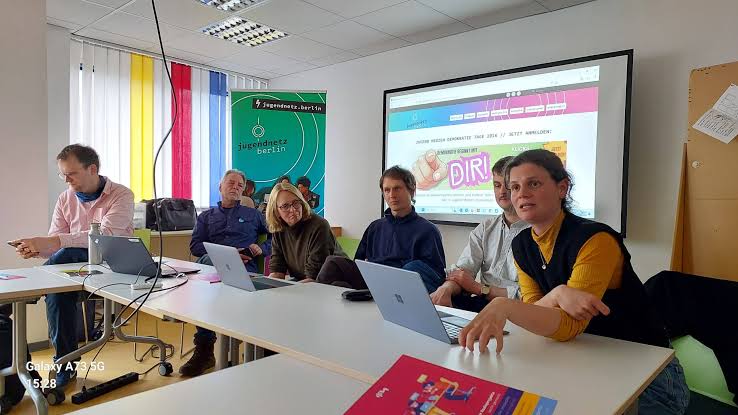
“The programme is designed to promote critical thinking and enhance society’s ability to resist disinformation,” explained Susanne Bohmig of the Media Literacy Centre, Foundation for Youth and Family. This strategic approach was recently highlighted during the Willkommen Visitor Programme organized by the German government with support from the Goethe Institute in Berlin.
The German model represents a proactive response to the growing global concern over disinformation and its effects on democratic processes and social cohesion. By embedding these critical skills directly into the curriculum, Germany aims to create a generation of digitally resilient citizens capable of navigating the increasingly complex information landscape.
As part of this initiative, journalists from 16 countries participated in specialized training focused on the crucial role media professionals and influencers play in combating disinformation and foreign information manipulation. The program provided practical experience in detecting fake content and understanding the mechanisms through which false information proliferates across social media platforms.
A distinguishing feature of Germany’s approach is its commitment to inclusivity. “Germany’s approach prioritises inclusivity, ensuring that children with disabilities are fully integrated into the learning process,” Bohmig emphasized. The program implements customized learning plans tailored to accommodate individual student needs, ensuring that media literacy education reaches all segments of the population.
Bohmig elaborated on this inclusive approach: “This allows them to learn in a more conducive manner, and their curriculum is structured for half a year based on the goals the child should achieve within the stipulated time frame. However, for children without disabilities, their curriculum is designed within a shorter time frame to achieve set goals. This is necessary to ensure every child becomes media literate on disinformation.”
The personalized nature of the program acknowledges that learning paces vary, particularly among children with disabilities, with educational strategies adapted to match individual learning requirements.
The challenge has grown more complex in recent years with the rapid advancement of technology. Professor Gernot Wolfram of the Federal Agency for Civic Education highlighted that the rise of Artificial Intelligence has created new dimensions in the disinformation landscape, making detection more difficult than ever before. He urged journalists to continuously adapt their verification skills to keep pace with evolving technologies used to create and spread false information.
Germany’s initiative comes at a critical time when democracies worldwide are grappling with the impact of disinformation campaigns. The European Union has identified foreign information manipulation and interference as significant threats to democratic institutions, with several member states implementing various countermeasures.
The German model stands out for its comprehensive educational approach, focusing on prevention through education rather than simply reacting to disinformation after it spreads. By building critical thinking skills from an early age, the program aims to create a population naturally resistant to manipulation through false information.
Educational experts worldwide are watching Germany’s approach with interest, as many countries search for effective strategies to combat the growing threat of digital disinformation. The program could potentially serve as a blueprint for similar initiatives in other nations seeking to strengthen their populations’ media literacy and digital resilience.
Fact Checker
Verify the accuracy of this article using The Disinformation Commission analysis and real-time sources.

9 Comments
I’m curious to see how effective this program is at improving critical thinking and digital literacy among German students. Rigorous evaluation will be important to understand its real-world impact.
That’s a good point. Careful monitoring and assessment will be crucial to determine if this initiative is meeting its goals of creating more discerning digital citizens.
This type of comprehensive, systemic approach to digital education could serve as a model for other countries grappling with the challenges of online misinformation. Scaling effective solutions is key.
Agreed. If the German initiative proves successful, it would be valuable for other nations to learn from their approach and adapt it to their own educational contexts.
Investing in media literacy education is a smart long-term strategy to combat disinformation. Giving citizens the tools to think critically about online content benefits society as a whole.
Integrating media literacy into school curricula is a wise approach. It’s crucial that people of all ages learn to identify and resist the spread of false or misleading information online.
This German initiative is an admirable effort to equip the next generation with the skills needed to navigate the digital landscape. Proactive education is key to building resilience against manipulative content.
A whole-of-society effort to combat disinformation is needed. Kudos to Germany for taking proactive steps to empower its population, especially the youth, with media literacy skills.
Embedding media literacy into the school curriculum is a smart way to reach a wide audience and cultivate critical thinking skills from an early age. Building societal resilience against disinformation is vital.