


Listen to the article
Social Media Surpasses Traditional Media as Primary News Source Amid Rising Disinformation Concerns
A comprehensive international survey spanning 16 countries reveals that social media has overtaken television as the primary news source for most internet users, despite significant concerns about disinformation and hate speech on these platforms.
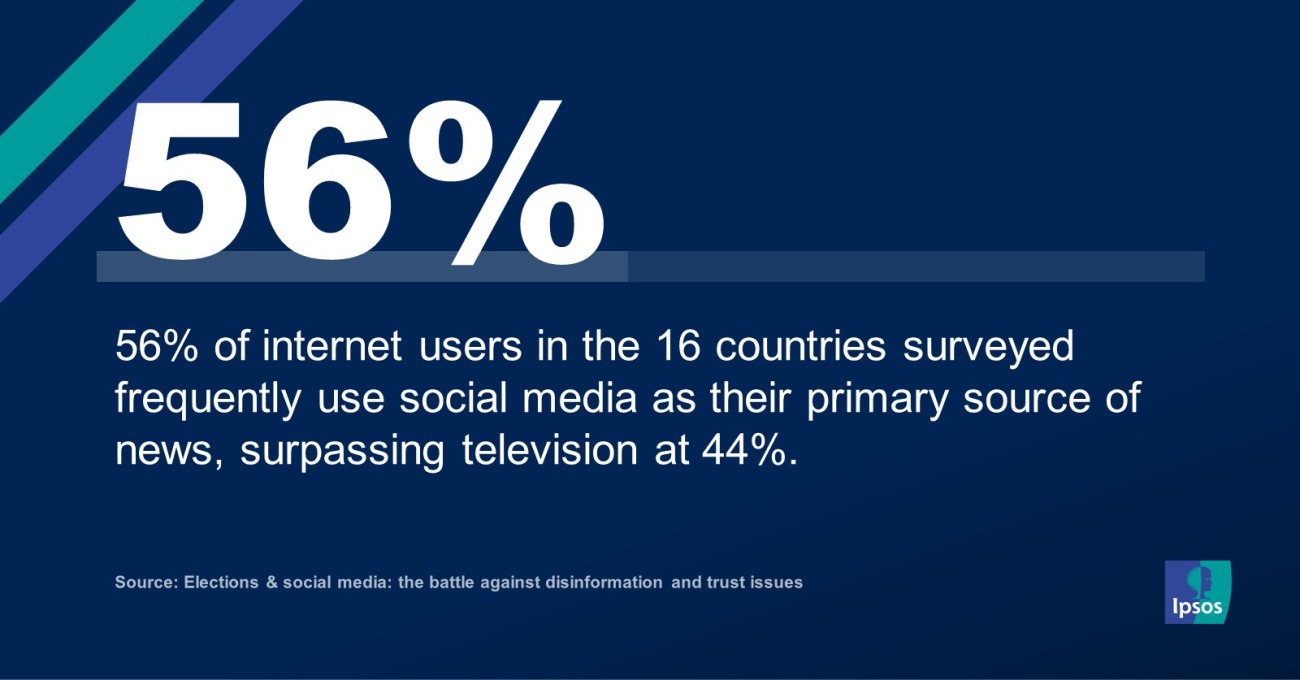
According to the UNESCO-commissioned study, 56% of internet users now frequently turn to social media for news, compared to just 44% who primarily rely on television. This shift marks a significant milestone in the evolving media landscape, as social platforms have rapidly grown in influence over the past 15 years.
The survey uncovered notable demographic and geographic variations in news consumption patterns. Television remains the dominant source in more developed countries, where 55% of respondents prefer it to social media (37%). However, in nations with medium to low Human Development Index (HDI) ratings, social media dominance is far more pronounced, with 68% of users preferring platforms like Facebook and Twitter over television (37%).
Age plays a predictable role in these preferences, with those under 35 far more likely to use social media for news (67%) compared to those 55 and older (31%).
Despite the rising dominance of social platforms, traditional media maintains significantly higher trust levels. Approximately two-thirds of respondents expressed confidence in television (66%), radio (63%), and print media (61%), while only half trusted news from social media. Interestingly, this trust gap is more pronounced in wealthy nations, where confidence in all information sources is generally lower than in developing countries.
The prevalence of disinformation on social platforms emerged as a major concern among respondents. An overwhelming 68% identified social media as the primary breeding ground for false information, far exceeding concerns about messaging apps (38%) and traditional media websites (20%). This sentiment crossed all demographic boundaries, including country, age, social background, and political affiliation.
“The significance of social media as an information source during elections makes these findings particularly troubling,” noted researchers. Respondents expressed deep concern about disinformation’s impact, with 87% worried about its effect on upcoming elections in their countries. Nearly half (47%) described themselves as “very concerned,” a figure that jumped to 63% among those highly interested in politics.
Hate speech represents another significant challenge in the digital ecosystem. Two-thirds of internet users (67%) reported encountering online hate speech, with Facebook identified as the most problematic platform (58%), followed by TikTok (30%), X (formerly Twitter) at 18%, and Instagram (15%). According to respondents, LGBTQ+ individuals (33%) and racial or ethnic minorities are the most frequent targets, though victimization patterns vary significantly by country.
The survey revealed strong public support for regulatory intervention, with 88% believing governments and regulatory bodies should address disinformation and hate speech issues. Similarly, 90% felt social media platforms themselves bear responsibility for tackling these problems. This sentiment was especially strong in countries with intermediate or low HDI levels.
An overwhelming 89% of respondents supported requiring social media platforms to implement trust and safety measures during election campaigns. Additionally, 75% believed international organizations like the UN or UNESCO could play meaningful roles in combating disinformation.
Despite widespread concern, individual action lags behind awareness. Only 48% of respondents reported having flagged election-related disinformation content online, with just 17% doing so regularly. Younger users (18-34) and those highly interested in politics (55% each) were significantly more likely to report problematic content.
The survey was conducted between August 22 and September 25, with 500 internet users interviewed in each of the 16 countries, all of which have national elections scheduled for 2024.
Fact Checker
Verify the accuracy of this article using The Disinformation Commission analysis and real-time sources.

13 Comments
This study highlights the double-edged sword of social media’s influence on news consumption. While it provides a more accessible and dynamic news experience, the lack of editorial oversight raises serious issues around the quality and reliability of information.
You’re right. Policymakers and tech companies will need to find the right balance between preserving the benefits of social media while addressing the very real threat of disinformation. It’s a complex challenge, but one that must be tackled.
The shift towards social media as the primary news source is concerning, especially given the prevalence of misinformation and hate speech on these platforms. Rebuilding trust in news sources will be critical to ensuring a well-informed public.
This study underscores the need for robust fact-checking and content moderation on social media platforms. The rise of social media as the dominant news source is a double-edged sword that requires careful navigation to protect the integrity of information.
Agreed. Social media companies have a responsibility to their users to combat the spread of disinformation and provide reliable, fact-based news content. Failure to do so could have serious consequences for democratic processes and public discourse.
This is an interesting study on the shifting media landscape. It’s concerning to see the rise of social media as the primary news source, given the challenges of disinformation and hate speech on these platforms. Rebuilding trust in news sources will be crucial going forward.
I agree. The demographic and geographic variations in news consumption patterns are quite telling. Policymakers will need to address this issue head-on to ensure the integrity of the information ecosystem.
The finding that social media has surpassed traditional media as the primary news source is quite significant. While social platforms offer convenience and accessibility, the proliferation of misinformation is a major concern that needs to be tackled.
Absolutely. Social media companies will need to invest heavily in content moderation and fact-checking to combat the spread of disinformation. Building public trust in news sources should be a top priority.
The finding that social media has overtaken traditional media as the primary news source is a significant shift that raises concerns about the spread of misinformation. Rebuilding public trust in news sources will be critical to addressing this challenge.
This study highlights the complex dynamics of the evolving media landscape. While social media offers convenience and accessibility, the proliferation of disinformation is a worrying trend that needs to be addressed. Maintaining the integrity of news sources should be a top priority.
I agree. Policymakers and tech companies will need to work collaboratively to find solutions that balance the benefits of social media with the need to combat the spread of misinformation. It’s a delicate balance, but one that is crucial for the health of our democratic institutions.
The rise of social media as the primary news source is a significant development that warrants careful consideration. While social platforms offer convenience, the lack of editorial oversight raises serious concerns about the reliability and accuracy of information. Rebuilding trust in news sources is essential.