


Listen to the article
Meta’s Decision to End Fact-Checking Raises Concerns About Climate Misinformation
Meta’s recent announcement to terminate its fact-checking program and reduce content moderation efforts has sparked concerns about a potential surge in climate misinformation across Facebook and Instagram. Beginning March 2025, the tech giant will end agreements with U.S.-based third-party fact-checking organizations, a move that could significantly impact how climate-related content is regulated on these platforms.
Currently, Meta’s system allows third-party fact-checkers to flag false and misleading posts, after which the company decides whether to attach warning labels and limit algorithmic promotion of such content. The Climate Science Information Center, launched in 2020, was specifically designed to combat climate misinformation. However, these safeguards will soon be dismantled for U.S. users, while remaining intact for international audiences who are protected by stricter regional regulations, particularly in the European Union.
Mark Zuckerberg has cited X’s Community Notes system as inspiration for Meta’s new approach. However, research indicates crowd-sourced fact-checking methods like Community Notes respond too slowly to effectively counter viral misinformation during its critical early spread.
Climate misinformation presents unique challenges compared to other types of false information. Studies show climate falsehoods are particularly “sticky” and difficult to correct once they’ve been repeatedly encountered. Simply providing more accurate information often fails to counteract misleading claims about climate science.
“The conditions for the rapid and unchecked spread of misleading, and outright false, content could get worse with Meta’s content moderation policy and algorithmic changes,” notes research on climate communication. The situation appears especially troubling given that extreme weather events typically trigger spikes in climate-related social media discussion.
Recent disasters have already demonstrated the dangers of unchecked misinformation. During last fall’s hurricanes Helene and Milton, AI-generated fake images went viral on social media, hampering FEMA’s emergency response efforts. Similarly, after the 2023 Hawaii wildfires, researchers documented organized disinformation campaigns by foreign operatives targeting U.S. social media users.
The problem extends beyond accidental misinformation. Deliberate disinformation campaigns—false information shared with intent to deceive—have become increasingly sophisticated. During climate change-fueled disasters, when accurate information can mean the difference between life and death, organized disinformation efforts can exploit information vacuums, creating dangerous confusion.
Climate scientists and communication experts recommend “inoculation” approaches to prepare people against misinformation before exposure. This involves explaining the scientific consensus that climate change is human-caused and then warning about specific myths while reinforcing accurate information.
With Meta’s impending policy changes, the responsibility for fact-checking will increasingly fall on users themselves. Communication experts suggest leading with accurate information when countering climate myths, briefly addressing the false claim once, explaining its inaccuracy, and then repeating the truth.
Despite the industry’s move away from content moderation, polling indicates most Americans favor restrictions on false information online. The disconnect between public preference and corporate policy raises questions about big tech’s commitment to combating harmful misinformation.
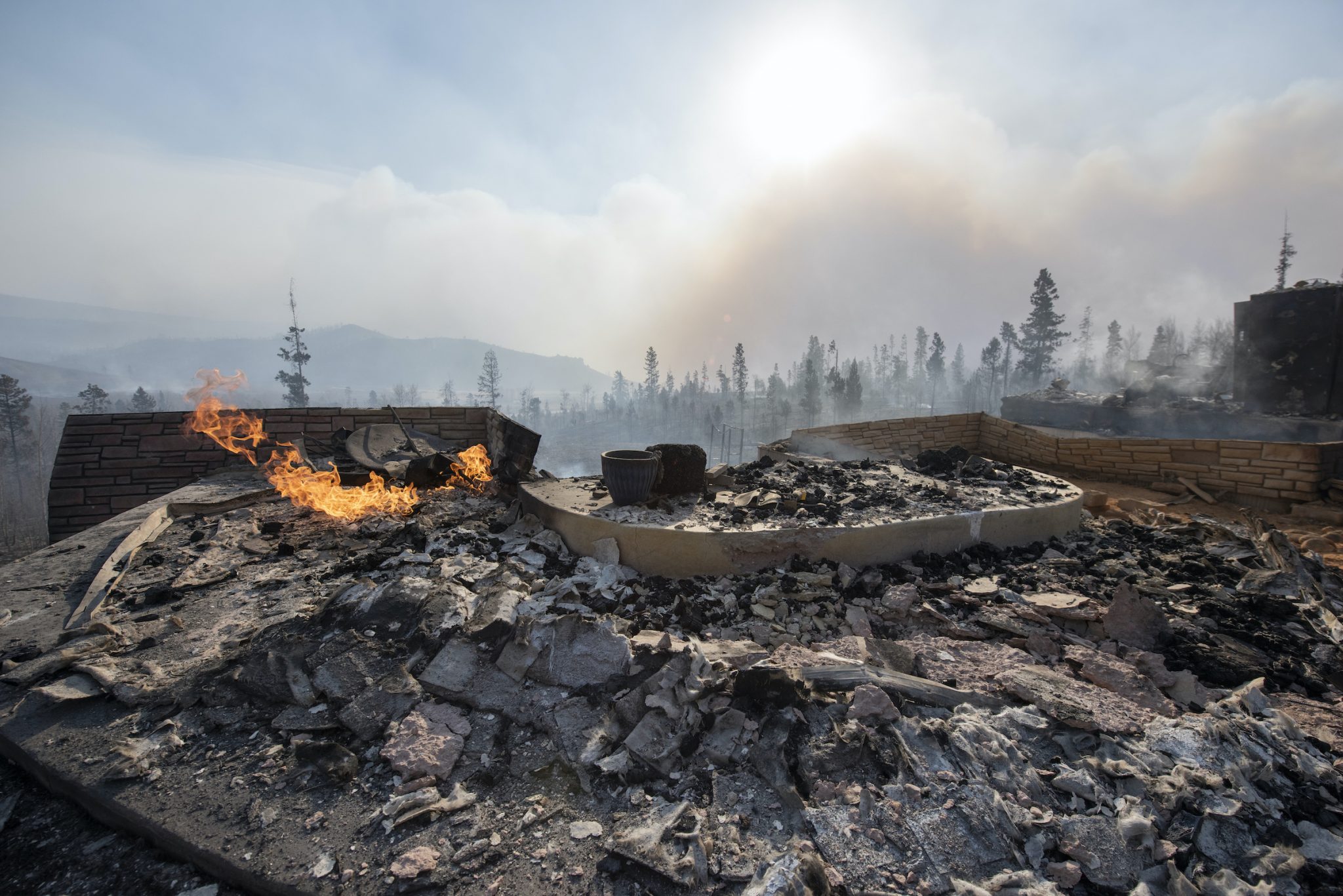
As extreme weather events become more frequent and severe due to climate change, the stakes of accurate information grow higher. When disasters strike—like the recent Los Angeles fires or the erroneous evacuation alert sent to 10 million people in January 2025—reliable information becomes crucial for public safety. Without robust fact-checking systems, social media platforms risk becoming fertile ground for dangerous misinformation precisely when accurate information is most vital.
Fact Checker
Verify the accuracy of this article using The Disinformation Commission analysis and real-time sources.

9 Comments
This is an important issue that deserves careful attention. Misinformation about climate change can have real-world consequences, so platforms need to take responsible steps to address it, not reduce their efforts.
I agree. Platforms have a duty of care when it comes to the information they amplify. Protecting users from harmful falsehoods should be a top priority.
Crowd-sourced fact-checking has its limits. Relying too heavily on that approach could allow misinformation to proliferate unchecked. Maintaining professional, impartial fact-checking is crucial, especially for high-stakes topics like climate change.
This seems like a shortsighted decision that could have serious ramifications. Climate misinformation can have very real impacts, and platforms need to take proactive steps to combat it, not reduce their efforts.
Exactly. Reliable information is crucial, especially on complex scientific topics where misinformation can be so damaging. I hope Meta reconsiders this move.
Concerning to see Meta scaling back climate misinformation safeguards. Crowd-sourced fact-checking has limitations, and professional, impartial oversight is needed to ensure users have access to accurate information on critical issues.
Concerning to see Meta scaling back content moderation and fact-checking, especially on critical issues like climate change. Responsible social media governance is essential to counter the spread of misinformation.
Ending fact-checking on climate content in the US while keeping it for other regions seems like an uneven and potentially problematic approach. I hope this decision is reconsidered to ensure consistent and reliable information for all users.
This is concerning news. Social media platforms have a responsibility to combat the spread of climate misinformation, which can have serious consequences. I hope Meta reconsiders this decision and maintains robust fact-checking measures.