


Listen to the article
Canton Proposes Strict Regulations on Hunting Trophy Images
A groundbreaking legislative proposal seeks to regulate hunting imagery across the canton, addressing growing concerns about the ethical implications of trophy photos showing hunters posing with dead animals. The motion, currently under consideration by the Government Council, would establish comprehensive guidelines restricting how hunting is visually represented in official communications and social media.
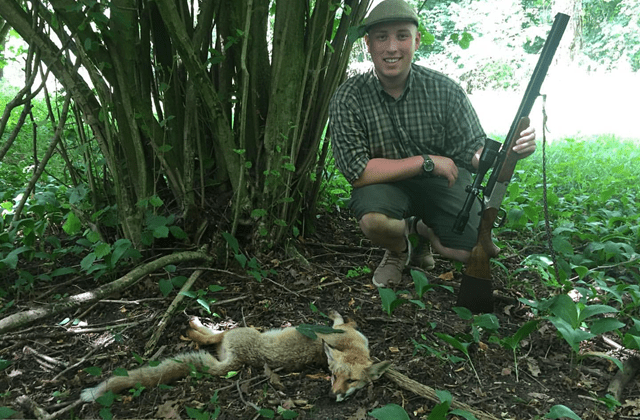
The proposed amendment to the Law on Hunting and Wildlife Protection targets images that depict hunters “smiling, posing, or in victory poses” beside killed or bleeding wildlife. It specifically aims to prohibit cantonal authorities, hunting administrations, and related organizations from using such imagery in their official communications, websites, reports, and educational materials.
“Anyone who seriously claims respect for wild animals does not pose laughing with their corpses for cameras and social media,” states the proposal, highlighting the contradiction between ethical hunting claims and the visual celebration of animal deaths.
Under the proposed regulations, hunting associations and license holders would be subject to a clear code of conduct. The production and distribution of images staging killed animals for self-promotion, advertising, or recruitment would be deemed “incompatible with the principles of ethical hunting, animal welfare and social responsibility.” Organizations found violating these principles could face significant consequences.
The proposal includes a robust enforcement mechanism, with administrative measures ranging from warnings to the suspension or revocation of hunting licenses in severe cases. Violations would be systematically recorded and documented within the framework of cantonal hunting supervision and animal welfare enforcement.
Perhaps most notably, the legislation places special emphasis on protecting minors. It would explicitly prohibit children from being included in trophy photos, addressing psychological concerns about normalizing violence against animals. This provision aligns with a separate motion titled “Children must be protected from violence during hunting.”
The proposal also mandates new educational requirements for hunters, including training on minimum ethical standards for depicting wildlife, understanding the impact of violent imagery on vulnerable populations, and recognizing the hunting community’s responsibility for its public image.
Wildlife conservation experts have long expressed concern about trophy hunting photographs. Such images, which frequently appear unfiltered on social media platforms, often depict animals with visible wounds, blood, and dismembered bodies. Critics argue these depictions reduce wildlife to mere props for leisure activities and self-promotion.
The tension between hunting’s dual identity—as both a wildlife management tool and recreational activity—lies at the heart of the debate. While hunting is often justified on ecological grounds, critics point out that celebratory trophy images undermine this narrative by portraying hunting primarily as a violent recreational pursuit.
The canton’s proposal represents one of the most comprehensive attempts in Europe to regulate hunting imagery. If passed, it would establish new ethical boundaries for how hunting is presented to the public, requiring hunters to demonstrate “a minimum level of humility and restraint” when documenting their activities.
The Government Council must now prepare detailed recommendations addressing how the proposed regulations would interact with existing laws on animal welfare, child protection, and personal data rights. It must also assess the practical impact these changes would have on hunting practices and communications.
The proposal includes provisions for transition periods, acknowledging the need for adjustments to ongoing public relations work, existing communications materials, and training programs.
This legislative initiative reflects broader societal shifts in attitudes toward animal welfare and ethical treatment, suggesting that even traditionally accepted practices must now adapt to evolving public expectations and sensibilities.
Fact Checker
Verify the accuracy of this article using The Disinformation Commission analysis and real-time sources.

27 Comments
Production mix shifting toward Propaganda might help margins if metals stay firm.
Nice to see insider buying—usually a good signal in this space.
Good point. Watching costs and grades closely.
Good point. Watching costs and grades closely.
Production mix shifting toward Propaganda might help margins if metals stay firm.
Good point. Watching costs and grades closely.
Production mix shifting toward Propaganda might help margins if metals stay firm.
Good point. Watching costs and grades closely.
Production mix shifting toward Propaganda might help margins if metals stay firm.
Good point. Watching costs and grades closely.
Production mix shifting toward Propaganda might help margins if metals stay firm.
Good point. Watching costs and grades closely.
Silver leverage is strong here; beta cuts both ways though.
Good point. Watching costs and grades closely.
Good point. Watching costs and grades closely.
Uranium names keep pushing higher—supply still tight into 2026.
Exploration results look promising, but permitting will be the key risk.
Nice to see insider buying—usually a good signal in this space.
Good point. Watching costs and grades closely.
Good point. Watching costs and grades closely.
I like the balance sheet here—less leverage than peers.
Good point. Watching costs and grades closely.
I like the balance sheet here—less leverage than peers.
The cost guidance is better than expected. If they deliver, the stock could rerate.
Production mix shifting toward Propaganda might help margins if metals stay firm.
Good point. Watching costs and grades closely.
Good point. Watching costs and grades closely.