


Listen to the article
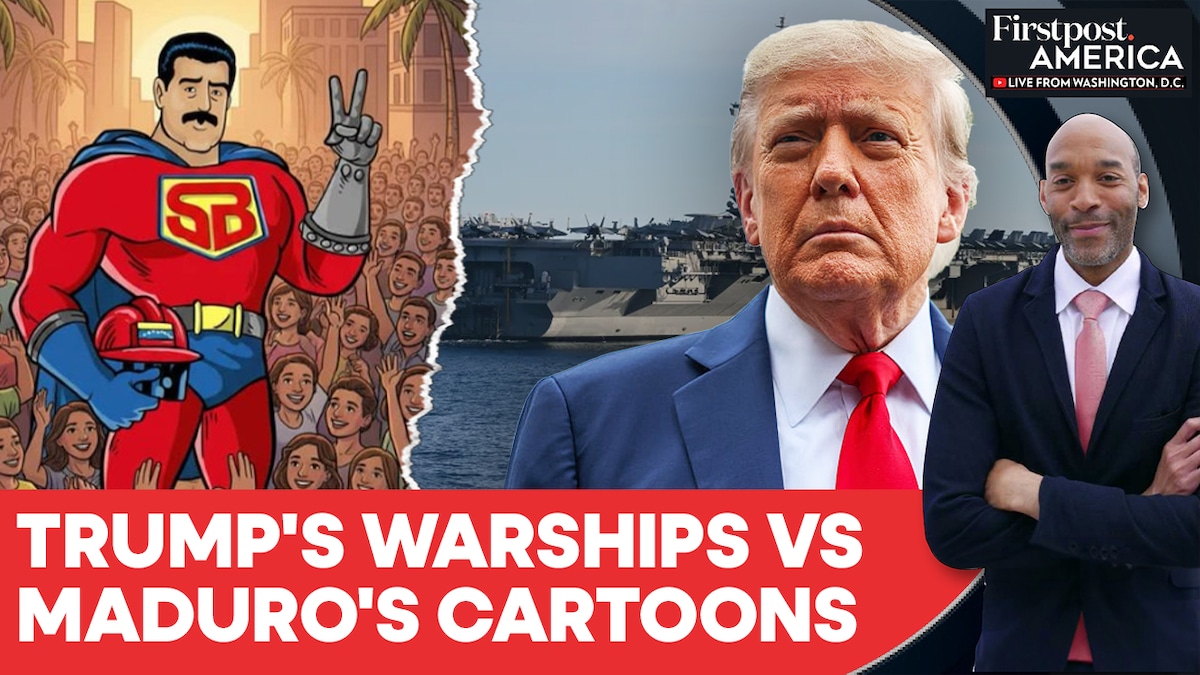
In an unusual diplomatic strategy, Venezuela is countering rising U.S. tensions through an animated propaganda tool – a cartoon superhero named Super Mustache, the animated persona of President Nicolás Maduro that has become central to the nation’s messaging campaign.
The cartoon series, which has aired on Venezuela’s state television since 2021, represents a creative approach to political communication in an era of heightened geopolitical tensions. Through a blend of humor, exaggerated heroics, and overt political messaging, the show portrays Venezuela as a nation constantly under siege from foreign powers, particularly the United States.
Super Mustache episodes frequently feature caricatures of American politicians and other high-profile international figures, depicting them as villains plotting against Venezuela’s sovereignty. The character’s adventures are designed to resonate with domestic audiences while delivering pointed criticism of what the Maduro government views as American imperialism and intervention attempts.
Media analysts note that the cartoon represents a sophisticated evolution in state propaganda, using entertainment to simplify complex geopolitical conflicts into easily digestible narratives of heroes versus villains. The approach appears particularly aimed at younger Venezuelans and building national unity around Maduro’s leadership during challenging times.
“Animation has proven to be a powerful propaganda tool historically,” explains Dr. Maria Fernandez, a political communication expert at the Latin American Institute for Media Studies. “What makes Super Mustache unique is how it personifies the country’s leader directly as the defender against external threats, blurring lines between entertainment and political messaging.”
As real-world tensions between Venezuela and the United States have escalated in recent months, observers have noted a shift in the cartoon’s tone. Recent episodes increasingly emphasize military readiness and national defense, suggesting a potential hardening of Venezuela’s stance amid diplomatic challenges.
The timing coincides with increased international pressure on the Maduro regime regarding human rights concerns, disputed elections, and economic policies that have contributed to one of the largest migration crises in the Western Hemisphere. The United States maintains sanctions against numerous Venezuelan officials, including Maduro himself.
Interestingly, while Super Mustache projects an image of confrontation and resistance, Maduro has simultaneously adopted a more conciliatory tone in public appearances. This dual approach – cartoonish defiance paired with diplomatic overtures – suggests a nuanced propaganda strategy that prepares the Venezuelan public for potential conflict while projecting an image of reasonable leadership internationally.
“The Maduro government is walking a tightrope,” says Carlos Ramirez, former Venezuelan diplomat and political analyst. “They need to maintain nationalist fervor at home while avoiding further isolation abroad. Super Mustache serves the domestic audience, while Maduro’s public statements target international observers.”
Venezuela’s economic challenges make this balancing act particularly critical. With oil production – the country’s economic lifeblood – at historic lows and inflation continuing to impact daily life, the Maduro government faces pressure to improve relations with major economies while maintaining political control.
The cartoon has drawn criticism from press freedom advocates who point to Venezuela’s restrictions on independent media. With most television channels and newspapers under government control or influence, Super Mustache represents part of a broader information ecosystem where alternative viewpoints face significant barriers.
For ordinary Venezuelans navigating daily economic challenges, the cartoon’s significance varies widely. Some view it as lighthearted entertainment, while others recognize its role in a sophisticated propaganda apparatus designed to shape public opinion during a period of prolonged crisis.
As diplomatic relations between Venezuela and the United States continue to evolve under changing administrations, Super Mustache stands as an unusual artifact of modern political communication – where global tensions, national identity, and leadership cults merge into animated adventures that blend entertainment with strategic messaging.
Fact Checker
Verify the accuracy of this article using The Disinformation Commission analysis and real-time sources.

9 Comments
While I appreciate the creative flair, this cartoon propaganda seems like a transparent attempt by Maduro to rally support and distract from the real economic and humanitarian crises facing Venezuela. Geopolitics is complex, and simplistic heroes-and-villains narratives are concerning.
This cartoon series is an intriguing approach to political communication, though the blatant anti-US bias is concerning. Using entertainment to convey messaging, even if it’s one-sided, could resonate with certain audiences beyond Venezuela.
I’m curious to see if this cartoon series gains traction beyond Venezuela. Portraying the US as villainous could resonate with some audiences, though it’s clearly a biased depiction aimed at domestic political goals.
You make a good point. Propaganda, even through creative mediums like cartoons, can be influential if it taps into existing anti-US sentiment in certain regions.
It will be interesting to see if this cartoon series gains any international traction beyond Venezuela. Using entertainment to convey political messaging is a savvy move, though the blatant anti-US bias is concerning.
I agree. This type of propaganda could potentially find an audience among those already distrustful of the US, but it’s important to recognize the one-sided nature of the messaging.
I’m curious to see if this cartoon propaganda gains any traction internationally. Portraying the US as villainous may appeal to some, but it’s clearly a biased depiction aimed at domestic political goals rather than objective geopolitical analysis.
While I appreciate the creativity, this cartoon propaganda seems like a concerning attempt by Maduro to rally support and distract from Venezuela’s very real economic and humanitarian challenges. Geopolitics is complex, and simplistic hero-villain narratives are worrying.
This cartoon propaganda tactic from Maduro seems like an interesting but concerning approach. Using entertainment to simplify complex geopolitics is a clever way to sway public opinion, even if the messaging is one-sided.