


Listen to the article
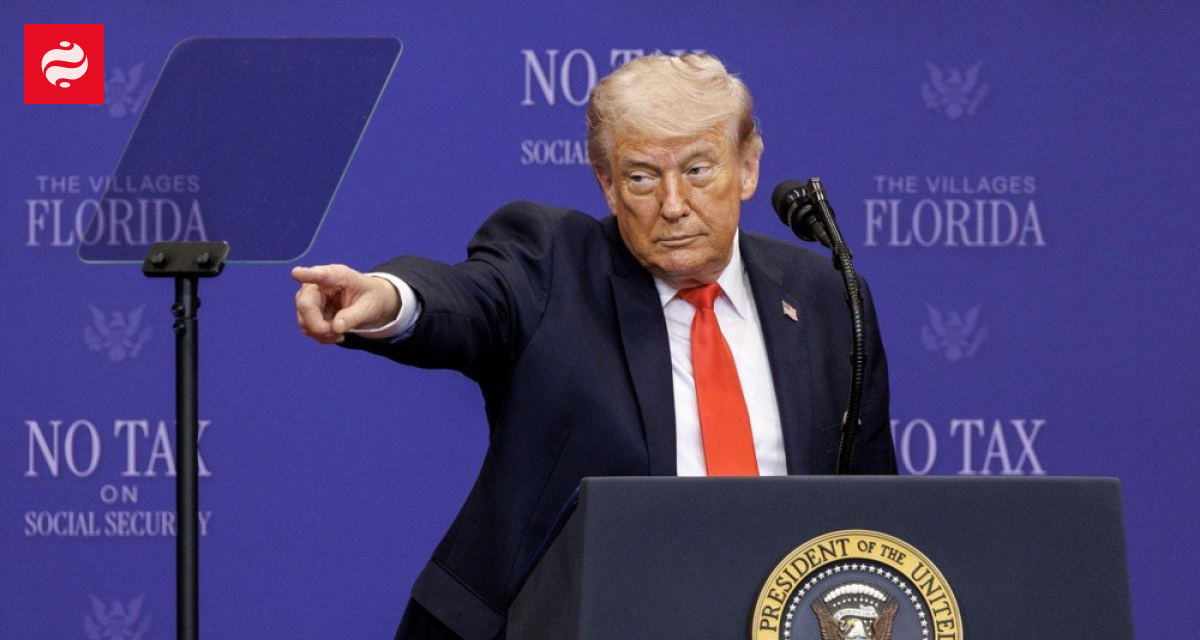
U.S. President Donald Trump expressed skepticism about an Iranian peace proposal aimed at ending the ongoing conflict in the Middle East, suggesting he might resume military strikes against the country if necessary. The comments came during a brief exchange with reporters before boarding Air Force One.
“I’ll let you know about it later,” Trump said when asked about Iran’s reported 14-point plan, noting he had not yet reviewed the document but would read it during his flight.
Despite agreeing to examine the proposal, Trump quickly cast doubt on its acceptability. In a post on his Truth Social platform, the president wrote that he “can’t imagine that it would be acceptable” because Iran “has not yet paid a big enough price for what they have done to Humanity, and the World, over the last 47 years” – a reference to the Islamic regime that has governed the country since the 1979 revolution.
When pressed by reporters about the possibility of renewed military action, Trump indicated he remains open to further strikes. “If they behave badly, if they do something bad,” he said, suggesting military options remain on the table. “But as of now, we’ll see.”
The current standoff between the United States, Israel and Iran has intensified over the past two months, creating ripple effects across global markets and international relations. Although a temporary truce had been established, violations have occurred, with Iran continuing to restrict passage through the strategically vital Strait of Hormuz – a key maritime chokepoint through which approximately 20% of the world’s oil supply passes.
In response, the United States has implemented a naval blockade, intercepting vessels and applying economic pressure on Tehran. This maritime confrontation has contributed to rising energy prices worldwide, as uncertainties about oil shipments impact global markets.
According to Iranian state-affiliated news agency Tasnim, Tehran’s 14-point proposal includes several significant demands: shortening the U.S.-proposed two-month truce to 30 days, guarantees against future military aggression, withdrawal of U.S. troops from the region surrounding Iran, lifting of the naval blockade, unfreezing of Iranian assets, payment of compensation, removal of sanctions, and ending conflicts on all fronts, including in Lebanon where Israel is battling the Iran-backed Hezbollah group.
The proposal also reportedly seeks a new security mechanism for the Strait of Hormuz, though specific details were not disclosed.
A slightly different version of the proposal was reported by Reuters, citing an unnamed senior Iranian official. This version appeared less demanding, suggesting that if the United States and Israel ceased attacks on Iranian targets, Tehran would reopen the Strait of Hormuz and the U.S. would lift its blockade. The proposal reportedly included provisions for future negotiations regarding Iran’s nuclear program, with potential sanctions relief in exchange for temporary suspension of uranium enrichment activities.
The Middle East conflict has far-reaching implications beyond the immediate region. For countries like Ukraine, the situation has complicated diplomatic relationships with states in the region and contributed to domestic fuel price increases, according to regional analysts. The economic consequences of prolonged instability in one of the world’s most important oil transit routes continue to concern global markets and policymakers.
As Washington evaluates Iran’s proposal, tensions remain high, with both sides maintaining their strategic positions while diplomatic channels stay tentatively open.
Fact Checker
Verify the accuracy of this article using The Disinformation Commission analysis and real-time sources.

10 Comments
The ongoing conflict between the U.S. and Iran is deeply concerning. I hope both sides can put aside their differences and work toward a diplomatic solution that addresses the core grievances on both sides. Further military escalation would only lead to more suffering.
Agreed. At this point, the key is to find a mutually acceptable off-ramp that allows both sides to save face. That will require flexibility, empathy and a willingness to make concessions on all sides.
Maintaining a credible military deterrent is important, but relying solely on threats and sanctions has clearly failed to resolve this conflict. I hope the U.S. and Iran can find a way to engage constructively and chart a path toward lasting peace.
Agreed. Both sides need to be willing to make concessions and compromises if there is to be any real progress. Demonizing the other side and refusing dialogue is a recipe for continued stalemate.
Trump’s skepticism about Iran’s proposal is understandable given the long history of hostility. However, I hope the U.S. will give the plan a serious review before dismissing it out of hand. De-escalation should be the priority to avoid further bloodshed.
I’m curious to see the details of Iran’s 14-point plan. Unilateral sanctions and military threats haven’t resolved this conflict, so a new diplomatic approach may be worth exploring, even if the prospects seem uncertain.
True, the current stalemate has dragged on for years. Both sides have legitimate grievances, so finding common ground will require flexibility and good-faith negotiations.
This is a complex geopolitical situation with no easy solutions. While I appreciate Trump’s skepticism about Iran’s proposal, I hope both sides can find a diplomatic path to de-escalate tensions and avoid further military conflict.
Agreed. Continued escalation and tit-for-tat strikes would only lead to more suffering. Thoughtful diplomacy is needed to chart a peaceful way forward.
While I understand Trump’s frustration with Iran’s past behavior, dismissing their latest proposal outright seems counterproductive. A serious, good-faith review of the plan could identify areas for potential compromise and de-escalation.