


Listen to the article
NATO’s Secret Meetings with Film and TV Creators Draw Propaganda Concerns
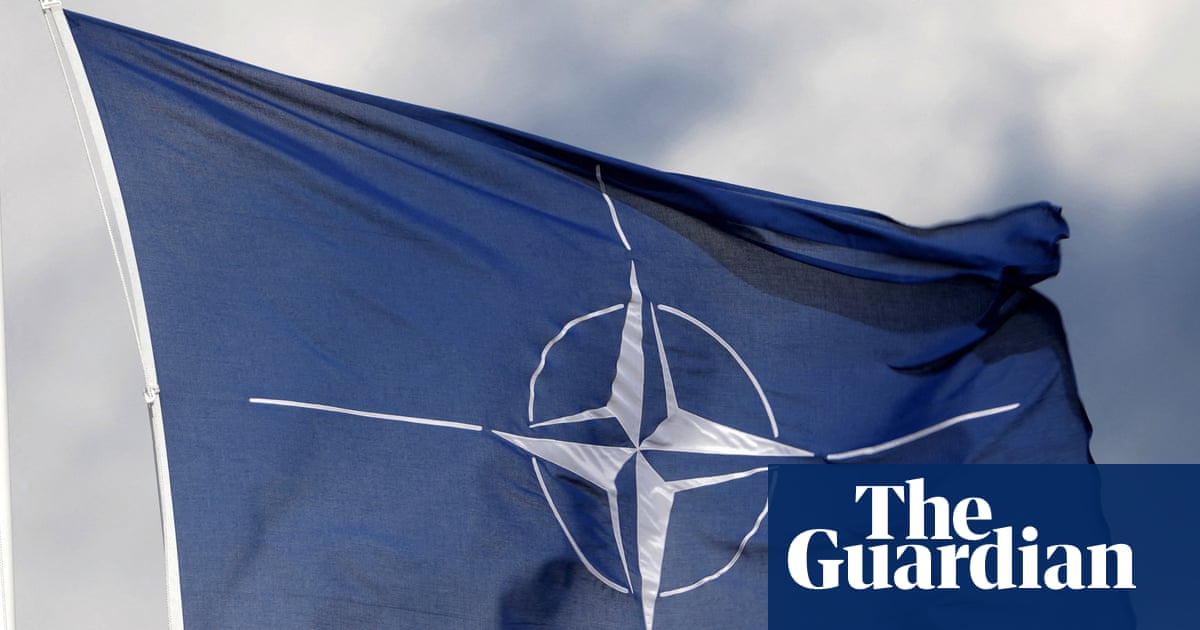
NATO has been hosting closed-door meetings with film and TV screenwriters, directors and producers across Europe and the United States, sparking criticism that the military alliance is attempting to influence entertainment content to promote its agenda.
The Guardian has learned that NATO has already conducted three such meetings in Los Angeles, Brussels, and Paris, with a fourth scheduled for next month in London with members of the Writers’ Guild of Great Britain (WGGB). These gatherings are being described as “intimate conversations” about the “evolving security situation in Europe and beyond.”
The London meeting has raised concerns among some invitees who feel they’re being recruited to create favorable content about the military alliance. The meeting will operate under the Chatham House rule, where information can be shared but participants’ identities remain confidential. Former NATO spokesperson James Appathurai, now serving as deputy assistant secretary general for hybrid, cyber and new technology, is expected to attend alongside other NATO officials.
According to a WGGB email reviewed by The Guardian, the previous meetings have already resulted in “three separate projects” currently in development that were “inspired, at least in part, by these conversations.” The email conveyed NATO’s hope that “even if something so simple as that message [about cooperation and alliances] finds its way into a future story, that will be enough.”
Some writers have expressed strong objections to NATO’s outreach efforts. Alan O’Gorman, an award-winning filmmaker, called the initiative “outrageous” and “clearly propaganda.”
“I thought it was tone deaf and crazy to present this as some sort of positive opportunity,” O’Gorman said. “A lot of people, myself included, have friends and family or themselves come from countries that are not in NATO, that have suffered under wars that NATO has joined and propagated.”
O’Gorman believes NATO is attempting to “get some of its messaging out there in film and TV” amid what he describes as “fearmongering throughout Europe” about defense vulnerabilities. He noted that other screenwriters invited to the meeting were “pretty offended that art would be used in a way that was supporting war.”
Faisal A Qureshi, a veteran screenwriter and producer, had planned to attend the meeting “to see what it would be like first-hand” before a scheduling conflict prevented his participation. He warned about the potential influence such meetings could have on creatives.
“The risk for any creative who dips into this unattributable world of intelligence or military briefings is that they can get seduced into thinking they now have some secret knowledge,” Qureshi said. He questioned whether writers would sufficiently “challenge or interrogate” information presented in these settings.
This is not NATO’s first engagement with the entertainment industry. Earlier in 2024, eight screenwriters, including a writer from the sitcom “Friends,” visited NATO’s Brussels headquarters at the invitation of the Washington-based Center for Strategic and International Studies. That delegation, which also included writers from “Law and Order” and “High Potential,” met with then-NATO Secretary General Jens Stoltenberg.
Supporters of NATO have advocated for stronger relationships with cultural figures. The Centre for European Reform, a think tank, released a report this year urging governments to engage with cultural leaders, including screenwriters and film producers, to build public support for increased defense spending.
When contacted about these meetings, a NATO official confirmed the initiative, describing it as “the fourth in a series of sessions for writers of fiction in the entertainment industry.” The official stated the events stemmed from “interest expressed by members of the industry to know more about what NATO is about and how it works.”
The WGGB defended sharing the invitation with its members, emphasizing that doing so did not constitute an endorsement. A spokesperson said the event offered “a two-way conversation where attending writers can ask their own questions, talk freely and take whatever they feel is useful from the session,” adding that their members are “free thinkers” who bring that valuable skill to their craft.
Fact Checker
Verify the accuracy of this article using The Disinformation Commission analysis and real-time sources.

5 Comments
Hmm, this raises some red flags about potential conflicts of interest and threats to journalistic integrity. The ‘Chatham House rule’ seems like an attempt to avoid accountability. I hope NATO’s motives are genuine, but this bears close scrutiny.
Absolutely, we need to be vigilant about the military’s involvement in shaping media narratives, even indirectly. Maintaining a free and independent press is vital for democracy.
This is concerning if NATO is trying to influence entertainment content to promote its agenda. While cooperation between military and media can be valuable, it’s important to maintain editorial independence and avoid covert propaganda.
I agree, transparency and safeguards are crucial to prevent abuse. NATO should tread carefully to avoid undermining public trust.
I’m curious to learn more about the specific discussions and outcomes of these NATO-entertainment industry meetings. Transparency and public dialogue are essential to ensure any collaboration serves the broader public interest, not narrow agendas.