


Listen to the article
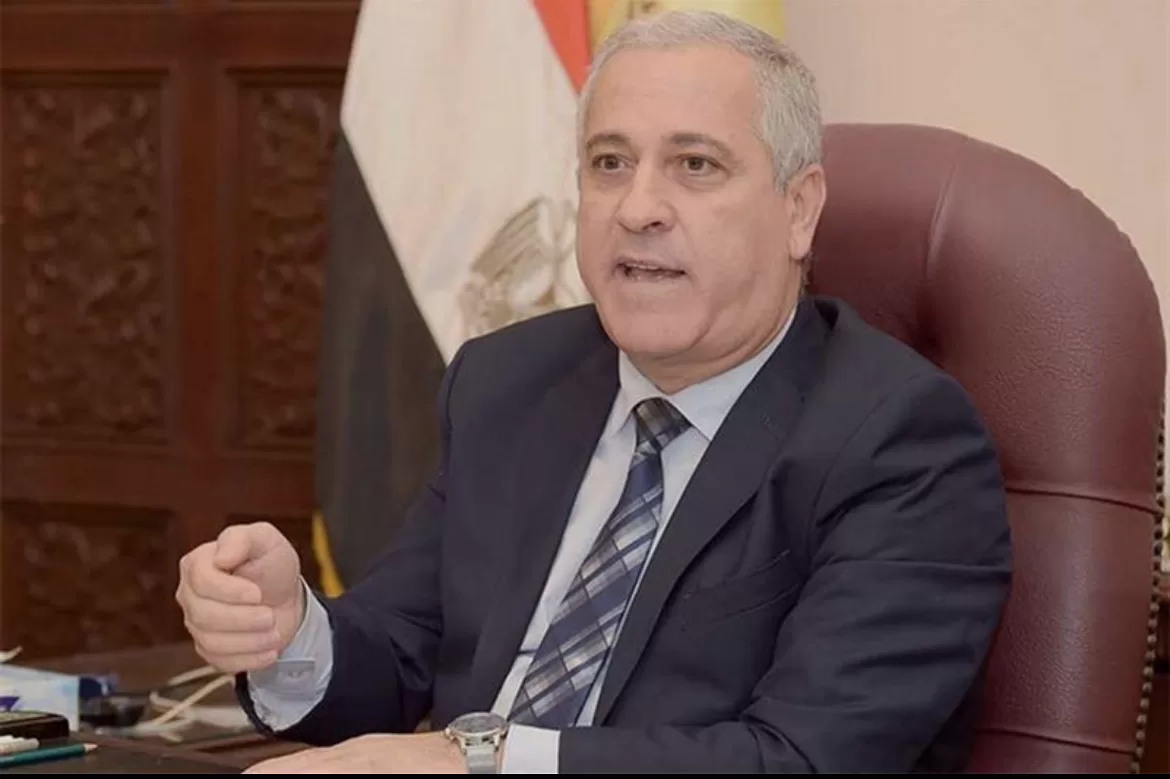
National press organizations play a critical role in promoting development, maintaining stability, and combating misinformation, according to Abdel-Sadek El-Shorbagy, Chairman of Egypt’s National Press Authority (NPA).
El-Shorbagy emphasized that a robust national press remains indispensable for nations seeking to protect their identity and sovereignty in an era of digital transformation and widespread social media use. His comments highlight the growing concern among traditional media organizations about the proliferation of unverified information across digital platforms.
“The national press serves as a cornerstone for preserving national identity and countering deliberate misinformation campaigns that target a country’s stability,” El-Shorbagy stated. He added that professional journalism institutions provide reliable information sources that citizens can trust, especially during times of crisis or political uncertainty.
The NPA chairman’s remarks come amid escalating global concerns about the impact of false information on public discourse and democratic processes. In recent years, Egypt, like many countries in the Middle East and North Africa region, has faced challenges related to online misinformation, particularly during periods of political transition and economic reform.
Media experts point out that Egypt’s national press institutions have undergone significant transformations in recent years as they adapt to the digital landscape. Traditional newspapers like Al-Ahram, Al-Akhbar, and Al-Gomhuria have expanded their online presence to remain competitive and reach younger audiences who primarily consume news through social media platforms.
El-Shorbagy also addressed the financial challenges facing press organizations worldwide, noting that sustainable funding models are essential for maintaining editorial independence and quality reporting. The NPA has been working on strategies to enhance the financial viability of Egypt’s national publications, including digital monetization approaches and diversifying revenue streams beyond traditional advertising.
“We cannot overlook the economic dimension of press development,” El-Shorbagy explained. “Financial stability ensures that journalists can perform their duties without compromising professional standards or falling prey to external influences.”
The relationship between national press and government institutions remains a subject of ongoing discussion in Egypt and across the region. While national press organizations are seen as vital partners in development efforts, questions about editorial independence continue to shape media discourse.
Media development organizations operating in the region emphasize that effective national press systems require both state support and the freedom to report critically on matters of public interest. This balance is particularly crucial for addressing challenges like corruption, economic inequality, and governance issues.
El-Shorbagy highlighted the NPA’s commitment to professional development programs for journalists, focusing on digital skills, fact-checking methodologies, and ethical reporting standards. These initiatives aim to equip media professionals with the tools needed to navigate the complex information ecosystem and maintain public trust.
The impact of international media on national discourse was also addressed, with El-Shorbagy noting the importance of developing local capacity to tell Egyptian stories from Egyptian perspectives. This approach acknowledges the significant influence that global media narratives can have on shaping international perceptions of countries in the region.
Media analysts note that Egypt’s position as a cultural and political hub in the Arab world makes its press landscape particularly significant. The country’s media outputs often influence discourse throughout the Arabic-speaking world, underscoring the importance of responsible journalism practices.
As digital transformation continues to reshape information consumption patterns, national press institutions face both challenges and opportunities. While social media platforms enable wider distribution of content, they also create environments where unverified information can spread rapidly.
El-Shorbagy concluded by emphasizing that collaboration between media organizations, regulatory bodies, educational institutions, and civil society is essential for strengthening the national press and ensuring its continued relevance in a rapidly evolving information ecosystem.
Fact Checker
Verify the accuracy of this article using The Disinformation Commission analysis and real-time sources.

12 Comments
This is an interesting perspective on the role of the national press. I’m curious to learn more about the specific challenges Egypt and other countries in the region face when it comes to combating misinformation and protecting national identity.
That’s a good point. The regional context and dynamics likely play a significant role in shaping the media landscape and the press’s relationship with the government and public.
I agree that the national press serves as a cornerstone for preserving national identity and countering misinformation campaigns. Protecting press freedom and journalistic integrity is essential for a healthy democracy.
Well said. The challenge is ensuring the press remains independent and objective, while still being a trusted source of information for citizens.
It’s interesting to hear the NPA chairman’s perspective on the role of the national press in development and stability. Combating misinformation is a growing concern globally, and responsible journalism has an important part to play.
Absolutely. Reliable news sources can help provide context and fact-checking to counter the spread of false narratives, which is critical for informed decision-making.
El-Shorbagy’s remarks underscore the importance of a free and responsible press in supporting development and stability, particularly in the face of misinformation. It’s a complex balance to strike.
Indeed. Safeguarding press freedom while ensuring accountability and truthful reporting is an ongoing challenge for many nations.
Maintaining a robust and trustworthy national press is crucial for development, stability, and combating misinformation. El-Shorbagy’s comments underscore the vital role professional journalism plays in providing reliable information to the public.
In an era of digital transformation and social media, this is an important point. Reliable news sources can help counter the spread of unverified information.
The comments highlight the evolving challenges facing traditional media in the digital age. Maintaining public trust and credibility is crucial, especially when it comes to issues of national identity and sovereignty.
You raise a good point. The national press must adapt to new information landscapes while upholding journalistic principles of accuracy, objectivity, and independence.