


Listen to the article
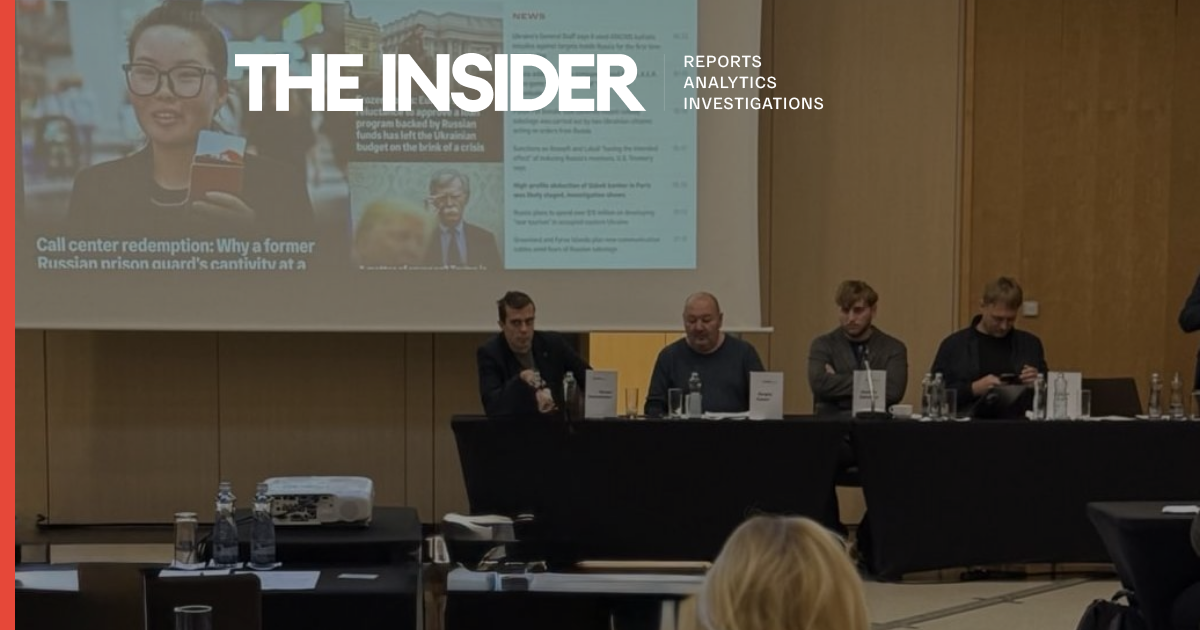
The Insider convened its first-ever regional conference in Prague, bringing together journalists from across Central and Eastern Europe to combat Russian disinformation as the independent news outlet marks its 12th anniversary.
The gathering assembled representatives from 12 leading media organizations based in nine countries throughout the region. Participating journalists shared investigative strategies and findings related to Russian influence operations and intelligence activities that have intensified across Europe in recent years.
Media outlets attending the landmark conference included established investigative platforms from the Czech Republic, Slovakia, Romania, Moldova, Hungary, Poland, Ukraine, Lithuania, and Germany. The diverse mix of participants highlighted the cross-border nature of Russian disinformation campaigns and the growing need for coordinated journalistic responses.
Czech media was represented by Deník N and Voxpot, while neighboring Slovakia sent journalists from Denník N. The Romanian contingent included reporters from PressOne and investigative outlet Snoop, which has become known for exposing corruption and foreign influence operations. Moldova, a country particularly vulnerable to Russian pressure, was represented by Little Country and MOST | Transnistria, publications that operate in a challenging media environment.
Hungary’s Vsquare and Direkt36 brought experience investigating Russian influence in Central Europe, while Germany’s Correctiv and Poland’s Vot Tak rounded out the participants. These outlets have published significant investigations on Russian intelligence operations in recent years.
The conference comes at a critical time for independent journalism in the region. Since Russia’s full-scale invasion of Ukraine in 2022, disinformation campaigns have intensified across European countries, targeting everything from election processes to energy policy. Russian state-backed information operations have evolved to become more sophisticated, often operating through seemingly local or legitimate third-party channels.
The Insider itself has operated under significant pressure from Russian authorities. Founded in 2013, the outlet was designated as a “foreign agent” by the Russian government in 2021, a move widely seen as an attempt to restrict its operations. Many of its journalists have been forced to work from outside Russia due to increasing repression against independent media.
Media experts note that collaborative journalism has become essential in tracking cross-border disinformation campaigns. “Russian disinformation doesn’t respect national boundaries, so journalists need to work together across borders to identify and expose these operations,” said a European media analyst who studies information warfare.
The Prague conference represents a significant step in coordinating investigative efforts across the region. Central and Eastern European countries have become particular targets for Russian influence operations due to their strategic importance, historical ties to Russia, and position within the European Union and NATO.
For smaller outlets in countries like Moldova, which faces direct pressure from Russia and has a Moscow-backed breakaway region in Transnistria, such international cooperation provides crucial support and visibility for their reporting.
The conference also reflects a growing trend of cross-border investigative journalism initiatives in Europe, following the model of successful projects like the International Consortium of Investigative Journalists and the Organized Crime and Corruption Reporting Project.
As The Insider enters its second decade of operations, the outlet appears to be expanding its focus on building networks with like-minded publications across Europe. This approach may help strengthen independent journalism in a region where press freedom faces multiple challenges from both governmental pressure and foreign influence campaigns.
The event concluded with discussions on establishing more permanent channels for information sharing and potentially coordinating future joint investigations targeting Russian disinformation networks operating across European borders.
Fact Checker
Verify the accuracy of this article using The Disinformation Commission analysis and real-time sources.

8 Comments
It’s great to see leading media outlets from the region come together to combat Russian propaganda. Their unified investigative efforts will be a powerful force in defending the truth and protecting the public.
I’m curious to learn more about the specific investigative techniques and findings that were shared at this conference. Exposing Russian intelligence activities and their impacts will be crucial for these journalists.
It’s encouraging to see journalists from so many countries come together to tackle this critical issue. Shared investigative strategies and findings will strengthen their ability to counter Russian influence operations in the region.
Absolutely. This collaborative approach will make it harder for Russia to spread its disinformation unchallenged across borders.
This conference seems like an important step, but the fight against Russian disinformation is an ongoing battle. Continued coordination and vigilance will be needed to counter these persistent influence operations.
Agreed. This is a complex challenge that requires a sustained, collaborative response from the media and other institutions across Central and Eastern Europe.
This conference is a great initiative to combat Russian disinformation across Central and Eastern Europe. Coordinating investigative efforts and sharing best practices between media outlets is crucial to exposing propaganda and protecting the truth.
The diversity of participants highlights the cross-border nature of Russian propaganda. Bringing together media from different countries is a smart way to combat these coordinated influence campaigns on a regional scale.