


Listen to the article
Nationalist Party representative Alex Borg has publicly claimed that Prime Minister Robert Abela backed out of a scheduled debate between the two on the popular television program Xtra, which broadcasts on Malta’s national television station TVM.
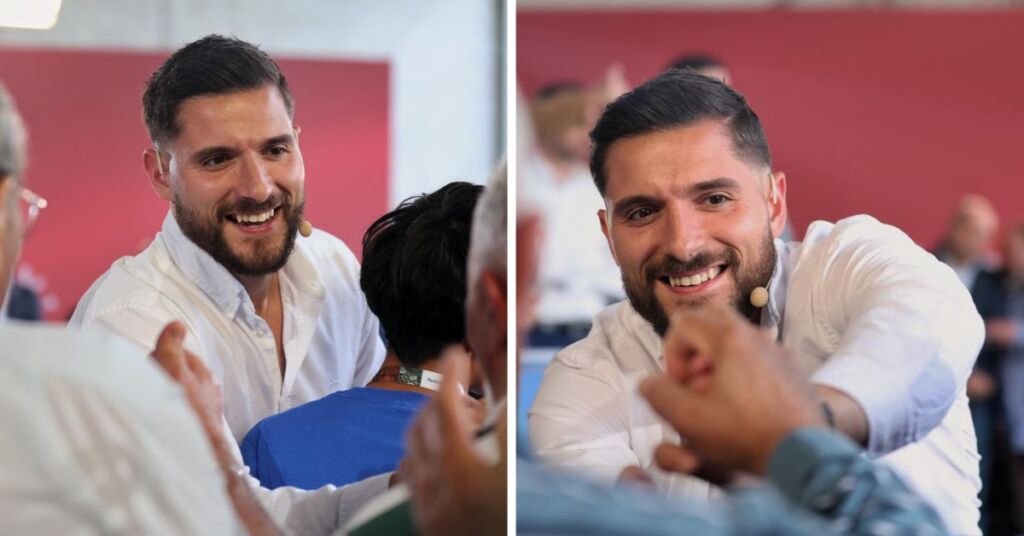
The accusation came during a Nationalist Party campaign event held in Żurrieq, where Borg addressed supporters as part of ongoing political activities ahead of the upcoming general election. The cancelled debate would have provided a high-profile platform for both politicians to present their positions on key national issues.
Beyond the debate cancellation, Borg launched a broader critique of the current administration, focusing particularly on what he characterized as the government’s failure to maintain appropriate boundaries between state resources and party interests. This accusation touches on long-standing concerns in Maltese politics about the potential misuse of government apparatus for partisan purposes.
“The government has repeatedly blurred the lines between what belongs to the state and what belongs to the party,” Borg told supporters at the event. “This undermines democratic principles and threatens the integrity of our institutions.”
Borg specifically highlighted what he described as a suspicious overnight transformation of government information billboards into Labour Party campaign materials. According to his account, this rapid conversion occurred on the same day that Prime Minister Abela formally announced the date for Malta’s upcoming general election, suggesting a pre-planned strategy to repurpose state-funded communications for party political advantage.
“One day these billboards were supposedly providing public information paid for by taxpayers, and literally overnight, they became Labour Party propaganda,” Borg claimed. “This is exactly the kind of behavior that erodes public trust in government.”
The timing of these accusations is significant, coming during the heightened political atmosphere of a pre-election period in Malta. The country’s two dominant political parties – the governing Labour Party led by Abela and the opposition Nationalist Party – are intensifying their campaigns and messaging as election day approaches.
Political analysts note that debates on national television represent crucial opportunities for opposition figures to challenge incumbents directly before a wide audience. The cancellation of such a debate, if confirmed, would deprive voters of seeing both perspectives presented in a direct confrontational format.
Media ethics experts have frequently raised concerns about the appropriate use of state resources during campaign periods. Many democratic nations maintain strict regulations about converting government communications channels into party political platforms, particularly during election campaigns.
The Labour Party has not yet issued a formal response to Borg’s allegations regarding either the cancelled debate or the billboard conversion claims. Prime Minister Abela’s office, when contacted about the cancelled debate, did not immediately provide comment on the specific circumstances surrounding the scheduling change on the TVM program.
TVM, as Malta’s public broadcaster, plays a significant role in the country’s political discourse, with programs like Xtra serving as important forums for policy debate. The station’s editorial decisions about political programming often face scrutiny from all sides during election periods.
The general election, now formally scheduled, represents a critical juncture for Malta’s political landscape, with economic recovery, environmental policies, and governance standards among the key issues likely to dominate campaign discussions.
Neither the television program’s producers nor TVM management have publicly addressed the debate cancellation claims at this time. As the campaign intensifies, both parties are expected to continue leveraging media appearances to communicate their visions for Malta’s future.
Fact Checker
Verify the accuracy of this article using The Disinformation Commission analysis and real-time sources.

10 Comments
The cancelation of the scheduled TV debate is troubling, as it denies voters the opportunity to hear directly from the candidates and assess their platforms. Transparency and open dialogue are vital for an informed electorate.
You raise a fair point. Voters deserve to hear directly from political candidates, especially on critical national issues. Canceling a high-profile debate undermines that democratic principle.
The alleged cancellation of the TV debate and claims of government propaganda are serious issues that deserve thorough investigation. Transparency and accountability in the political process are essential for a healthy democracy.
This is a concerning accusation about the government blurring the lines between state and party interests. Preserving democratic principles and institutions should be a top priority, regardless of political affiliation. It will be interesting to see how this issue develops and is addressed.
I agree, it’s crucial for the government to maintain clear boundaries and avoid misusing public resources for partisan gain. Healthy debate and transparency are essential for a well-functioning democracy.
It’s concerning to see accusations of government propaganda and the blurring of state and party interests. Maintaining the integrity of democratic institutions should be a top priority for any administration, regardless of political affiliation.
I share your concerns. The government has an obligation to uphold democratic norms and ensure a level playing field for all political parties. Voters must be able to make informed choices without undue influence from state resources.
The claims of the government blurring the lines between state and party interests are concerning. Preserving the integrity of democratic institutions should be a top priority for any administration, regardless of political affiliation.
These accusations of the government misusing state resources for partisan purposes are very troubling. Maintaining clear boundaries between state and party interests is fundamental to democratic principles. Voters deserve an open and fair political process.
I agree, it’s crucial that the government upholds its responsibilities to all citizens, not just those within its own political party. Transparency and impartiality must be the guiding principles, especially during election periods.