


Listen to the article
Actor-MP Ravi Kishan Defends ‘Dhurandhar The Revenge’ Amid Propaganda Claims
Filmmaker Aditya Dhar’s blockbuster “Dhurandhar The Revenge” has achieved a remarkable milestone, entering the coveted 1000 crore club on its third Sunday. This achievement makes it the second fastest Indian film to reach this benchmark, following only “Pushpa 2,” which was released earlier in 2024. Despite its commercial success, the film has faced criticism from some viewers who have labeled it as propaganda.
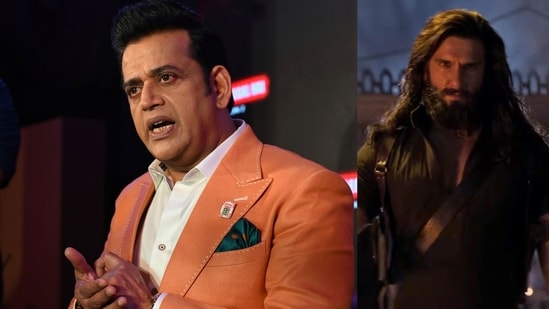
Actor and Member of Parliament Ravi Kishan has strongly defended the film, dismissing the propaganda allegations as “unfortunate” and “very wrong.” Speaking to reporters during a visit to Lucknow, Kishan urged audiences to support the film, crediting it with reviving an industry that had been struggling.
“Calling it a propaganda film is very wrong! Actors from the South supported it openly, everyone should do that. A new trend has started of calling films propaganda – they’ve found a new scapegoat!” Kishan remarked with visible frustration.
The actor, who recently appeared in the second season of “Maamla Legal Hai,” drew comparisons between “Dhurandhar” and the iconic 1975 blockbuster “Sholay.” He emphasized that the film’s creative team had drawn inspiration from real news and incidents, presenting them with cinematic flair.
“One should be happy that people have started going to the theatre. The industry was in terrible condition, and the Bhojpuri industry has almost shut down! This has come as a blessing for the industry, and lakhs of people earn their livelihood through cinema,” Kishan explained, highlighting the economic impact of successful films.
The MP also stressed the importance of cinema as a medium to reflect societal realities. “It’s important that cinema presents on screen what has and is happening in society. In fact, we need to correct our history as well by way of research – those pages that were torn away from our history! That truth needs to be brought in front of people,” he said, suggesting the film addresses historically significant issues.
When asked if he regretted not being part of the successful project, Kishan dismissed any notion of experiencing “FOMO” (fear of missing out). “I know someone somewhere must be writing a ‘Dhurandhar’ for me. What’s in fate will come to me; this was not in my account,” he said philosophically. “Similarly, I am not in my favourite Gangs of Wasseypur, so I don’t have any FOMO of that!”
The actor revealed he would have been open to any role in the film had he been cast, though he particularly admired Ranveer Singh’s portrayal of the character Hamza.
Kishan attributed the film’s success to several technical and creative elements. “Amazing BGM (background music), super editing, bang-on energy by actors and the director took great shots and spent a whopping ₹260 crores,” he noted, highlighting the significant budget behind the production.
Film industry analysts note that “Dhurandhar The Revenge” represents a growing trend of big-budget Indian productions that blend historical narratives with contemporary storytelling techniques. The film’s commercial success comes at a crucial time for the Indian film industry, which has been recovering from pandemic-related setbacks and changing viewer preferences.
Meanwhile, Kishan himself has a busy schedule ahead with several upcoming projects. Audiences can expect to see him in productions including “Mirzapur,” “Nagzilla,” “Bhai Behen,” “Peddi” alongside Ram Charan, and the “TDS” series.
Fact Checker
Verify the accuracy of this article using The Disinformation Commission analysis and real-time sources.

8 Comments
It’s interesting to see the comparison drawn between ‘Dhurandhar’ and the classic ‘Sholay.’ Both seem to have struck a chord with audiences, despite facing some political pushback. I’m curious to see how this film’s legacy evolves over time, beyond the current propaganda debate.
Agreed. Iconic films often transcend their initial context and take on new meanings over time. ‘Dhurandhar’ may well be remembered more for its entertainment value and cultural impact than any specific political framing, if the film continues to resonate with audiences.
Interesting that this film is being labeled as propaganda. It’s always tricky when art intersects with political narratives. I’m curious to hear more about the specific critiques and whether they have merit. Regardless, it’s great to see a successful Indian film achieve such a milestone.
It’s disappointing to see this film facing accusations of propaganda, especially given its commercial success. As Ravi Kishan points out, labeling movies as propaganda can become a lazy way to dismiss them. Audiences should make up their own minds about the film’s merits.
The debate around ‘propaganda’ in films is a complex one, with reasonable arguments on both sides. However, I agree with Ravi Kishan that audiences should be trusted to engage with the work on their own terms. Dismissing a commercially successful film as ‘propaganda’ feels like an oversimplification.
I agree with Ravi Kishan’s perspective. Calling a commercially successful film ‘propaganda’ without clear evidence seems like an unfair dismissal. Audiences should make up their own minds rather than having labels imposed on the work. The film’s achievements speak for themselves.
Well said. Knee-jerk accusations of ‘propaganda’ can become a lazy way to discredit art that challenges certain narratives. As long as the film entertains and resonates with audiences, that’s what matters most.
I appreciate Ravi Kishan’s passionate defense of ‘Dhurandhar.’ While reasonable people may disagree on the political implications of the film, it’s clear that it has struck a chord with viewers. Dismissing it as pure propaganda seems shortsighted, especially when the box office numbers tell a different story.