


Listen to the article
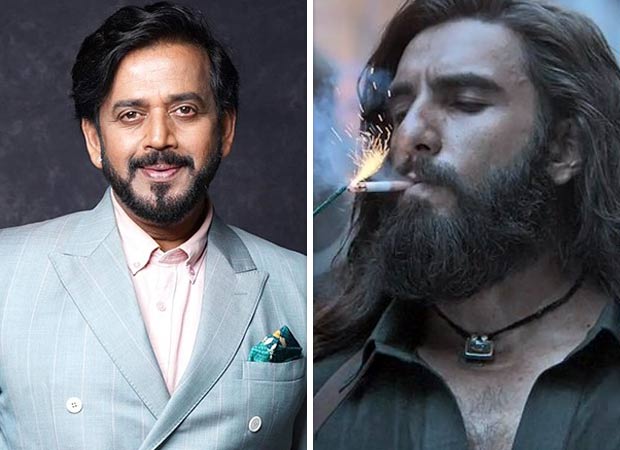
In a spirited defense of the film industry’s latest box office phenomenon, actor and Member of Parliament Ravi Kishan has forcefully rejected claims that “Dhurandhar The Revenge” serves as propaganda, urging broader support for a movie he considers vital to the revival of Indian cinema.
The Aditya Dhar-directed blockbuster recently crossed the ₹1000 crore milestone in just three weeks, joining “Pushpa 2” as one of the fastest Indian films to achieve this remarkable feat. Despite its commercial success, the film has sparked debate among critics and viewers about its narrative approach and thematic content.
During a visit to Lucknow, Kishan expressed visible frustration with the propaganda label that some have attached to the film. “Calling it a propaganda film is very wrong,” he stated emphatically. “Actors from the South supported it openly, everyone should do that. A new trend has started of calling films propaganda – ek naya kabootar pakad liye hain log!”
The BJP parliamentarian, who has balanced his political career with continued involvement in the film industry, pointed to the broader economic impact of the film’s success. At a time when theaters have struggled to attract audiences, particularly after the pandemic’s devastating effect on exhibition businesses, “Dhurandhar The Revenge” has reinvigorated ticket sales across the country.
“One should be happy that people have started going to the theatre,” Kishan noted. “Bahut haalat kharab thi industry ki, Bhojpuri industry has almost shut down!” His remarks highlighted the particularly dire situation facing regional cinema, including the Bhojpuri film industry where Kishan himself has been a major star for decades.
The success of “Dhurandhar The Revenge” comes at a critical juncture for Indian cinema. Theater chains have reported uneven attendance since pandemic restrictions lifted, with only occasional tentpole releases drawing significant crowds. Industry analysts estimate that thousands of jobs—from production crews to theater staff—depend on consistent box office performance.
Kishan drew a parallel between the current film and cinematic classics, noting that creative works often draw inspiration from real events. “The writer picks topics from real news and incidents, and the team cinematically presents them on the screen,” he explained, suggesting that the film’s approach mirrors established storytelling traditions rather than representing a propagandistic departure.
The film, which features an ensemble cast including Ranveer Singh, R Madhavan, Arjun Rampal, and Sanjay Dutt, was produced by Jio Studios and B62 Studios. Producer Jyoti Deshpande has previously emphasized the project’s commercial entertainment goals while acknowledging its topical subject matter.
Kishan also touched on cinema’s broader social role, suggesting that films have a responsibility to address historical narratives. “It’s important that cinema presents on screen what has and is happening in society,” he said. “In fact, we need to correct our history as well by way of research – those pages that were torn away from our history! That truth needs to be brought in front of people.”
The film’s success has reignited conversations about the intersection of entertainment, historical narratives, and political perspectives in contemporary Indian cinema. While some viewers and critics have questioned whether “Dhurandhar The Revenge” crosses the line from dramatization into political messaging, its box office performance demonstrates substantial audience engagement regardless of the debate.
As the film continues its theatrical run, industry watchers are closely monitoring whether it will inspire similar productions or influence the types of projects major studios choose to greenlight in the coming years. For now, voices like Kishan’s underscore the economic lifeline such blockbusters provide to an industry still finding its footing in post-pandemic India.
Fact Checker
Verify the accuracy of this article using The Disinformation Commission analysis and real-time sources.

9 Comments
I agree it’s important not to jump to conclusions about the film’s intent. The Indian film industry has long grappled with balancing entertainment and social impact. A nuanced discussion seems warranted here to better understand the film’s themes and significance.
Kishan’s comments highlight the complexities involved when politics and entertainment intersect. I’m interested to learn more about the specific criticisms of the film’s narrative and how they relate to broader debates around propaganda in media.
The ‘propaganda’ label is a strong one. I can appreciate Kishan’s perspective, but I also think it’s valid to scrutinize the thematic content and messaging of high-profile films, especially those with political connections. Nuance is key in this discussion.
Kishan’s defense of the film’s economic impact is noteworthy. The revival of Indian cinema is important, but it shouldn’t come at the expense of critical analysis. I’m curious to see how this debate evolves as more people engage with the film.
While Kishan’s defense of the film’s commercial success is understandable, the ‘propaganda’ claims do warrant serious consideration. The line between entertainment and political messaging can be blurry, and discerning the intent behind a film’s themes is important.
Interesting debate around this blockbuster film. I can see both sides – it’s great that Indian cinema is thriving, but the political messaging is worth scrutinizing. I’m curious to learn more about the narrative and themes without jumping to conclusions.
This debate highlights the complexities involved when entertainment and politics intersect. I’ll be interested to see how the discussion evolves as more people engage with the film and its themes.
Ravi Kishan makes a fair point that the ‘propaganda’ label may be an oversimplification. However, the thematic content and political connections of high-profile films are valid subjects for critical analysis and debate.
Ravi Kishan makes a fair point that labeling the film as ‘propaganda’ may be an oversimplification. Commercial success doesn’t necessarily equate to propaganda. However, the thematic content and messaging still warrant thoughtful analysis.