


Listen to the article
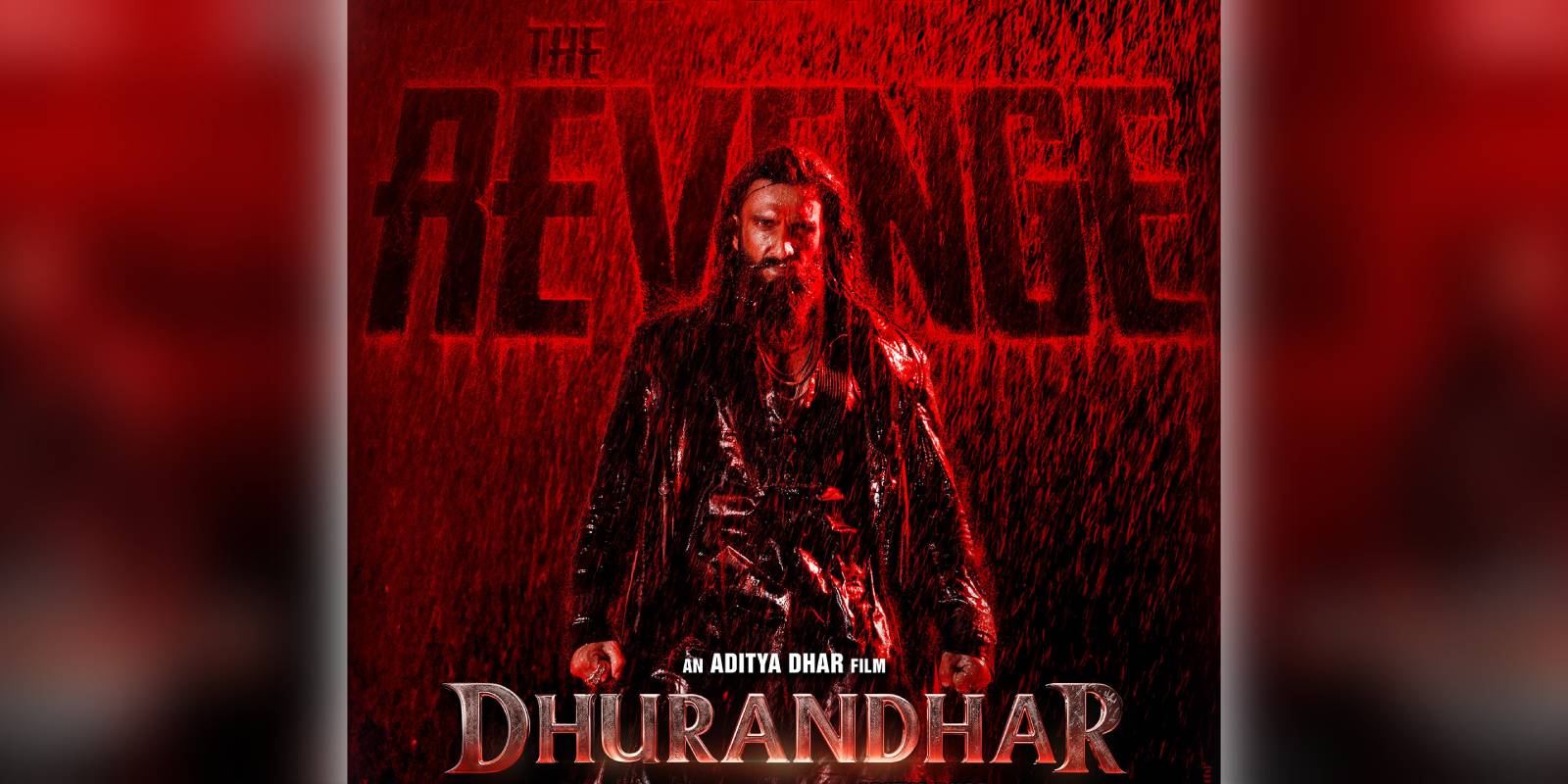
As Bollywood action flick “Dhurandhar: The Revenge” shatters box office records with over ₹800 crore in global collections, it’s also igniting intense debate about the growing trend of nationalist cinema in India’s film industry.
The sequel to last year’s blockbuster “Dhurandhar,” which collected ₹1,000 crore, has proven commercially successful but increasingly divisive. While fans celebrate its star-studded cast, action sequences, and soundtrack, critics are taking aim at what they describe as overt political messaging favoring India’s ruling party.
Many viewers who enjoyed the first installment have expressed disappointment with the sequel, criticizing its portrayal of the Prime Minister and ruling Bharatiya Janata Party (BJP) as the nation’s saviors. The film has also faced international criticism, with authorities in Gulf Cooperation Council countries banning both films over alleged anti-Muslim content.
Film analysts note that “Dhurandhar” joins a growing list of nationalist-themed films released since Prime Minister Narendra Modi came to power in 2014. Other notable entries include “The Kashmir Files,” “The Kerala Story,” “Uri: The Surgical Strike,” “Article 370,” and “The Sabarmati Report” – all films that critics say follow a similar pattern of glorifying the ruling party while portraying opposition parties negatively.
Pakistani officials have specifically objected to the film’s portrayal of Karachi’s Lyari neighborhood. “Lyari stands for culture, peace, and resilience — not violence,” said the Sindh government in a statement, announcing plans to back a rebuttal film to counter what they termed “Indian propaganda.”
The film has drawn particular criticism for its creative interpretation of historical events. “Dhurandhar” blends fictional narratives with real-life incidents including the 2001 Indian Parliament attack and the 2008 Mumbai attacks. The movie’s opening references the 1999 Indian Airlines Flight 814 hijacking and introduces a character resembling Ajit Doval, Modi’s national security adviser.
One controversial sequence depicts the 2016 demonetization initiative as “Operation Green Leaf,” portraying it as a strategic masterstroke against terror financing rather than the economically disruptive policy many economists considered it to be. The film shows the move as a decisive blow against counterfeit currency networks linked to Pakistan’s intelligence services.
Samajwadi Party chief Akhilesh Yadav has accused the Modi government of funding such films as political tools, calling “Dhurandhar 2” a “paid propaganda” designed to defame opposition parties ahead of crucial state elections. Yadav specifically pointed to a character named Atif Ahmed in the film, whose portrayal closely resembles the late Atiq Ahmed, a former SP-backed parliamentarian with a criminal record who was killed in 2023.
Social media influencer Dhruv Rathee criticized director Aditya Dhar, writing, “I called Aditya Dhar a BJP propagandist 3 months ago. Now everyone will see it. It was subtle in the previous film, but he went so blatant this time in overconfidence.”
The trend has expanded beyond Hindi cinema. A recent controversy involving “Kerala Story 2” led to legal challenges in Kerala, with the state’s Chief Minister protesting its release. While a single bench of the Kerala High Court initially stayed its release, a division bench ultimately allowed it to proceed.
“Cinema has always been a mirror to society, but when that mirror is pointed specifically to amplify certain political agendas, it becomes a tool and not an art,” Malayalam scriptwriter P.S. Arjun told South First. “The challenge for this era’s audiences is to develop a high level of media literacy to distinguish between historical fact and cinematic dramatization.”
For his part, Dhar has dismissed criticism of his work as propaganda. Following his debut film “Uri: The Surgical Strike,” he stated, “If somebody still feels it is propaganda, then it might be that they have already decided so in their minds.”
Fact Checker
Verify the accuracy of this article using The Disinformation Commission analysis and real-time sources.

12 Comments
It’s always a delicate balance when art intersects with politics. While these nationalist-themed films may be commercially successful, their long-term impact on social cohesion and cultural understanding deserves careful consideration.
That’s a fair point. Filmmakers have a responsibility to consider the broader societal implications of their work, beyond just box office numbers. Fostering open dialogue and diverse perspectives is key.
I’m curious to see how these films are received internationally, given the allegations of anti-Muslim content. Cultural sensitivities need to be navigated carefully, especially when dealing with complex geopolitical tensions.
The ban by Gulf Cooperation Council countries is a concerning development. It underscores the need for filmmakers to be mindful of how their work might be perceived and interpreted across different cultural contexts.
The trend of nationalist-themed films in Bollywood is an interesting reflection of the broader political climate in India. While patriotism can be a powerful theme, it’s crucial that creative expression remains nuanced and avoids overt propaganda.
Agreed. Audiences should be able to engage with these films on an artistic level, without feeling that they are being subjected to a heavy-handed political agenda.
Interesting to see how political narratives are playing out in Indian cinema. While patriotism can make for compelling storytelling, we need to be mindful of the potential for propaganda. A nuanced approach that avoids divisiveness is ideal.
I agree, finding the right balance between patriotism and political messaging is crucial. Audiences should be able to enjoy the entertainment without feeling manipulated.
The commercial success of these nationalist-themed films highlights the power of storytelling to shape public opinion. However, it’s important that creative expression doesn’t veer into blatant propaganda, which can be harmful to social cohesion.
Absolutely. Art should challenge us to think critically, not just reinforce a particular ideology. Filmmakers have a responsibility to present a diversity of perspectives, even on sensitive political issues.
The growing trend of nationalist cinema in India raises important questions about the role of the arts in shaping political discourse. While patriotism can be a powerful creative force, we must be vigilant against the creep of propaganda.
Well said. Filmmaking has the potential to inspire and unite, but it can also be used to divide and manipulate. Maintaining a balance and preserving creative freedom is crucial in this context.