


Listen to the article
Social media users are rejecting a wide range of popular trends and products that they view as over-hyped, environmentally harmful, or simply not worth the attention, according to a recent online discussion.
In a thread from the Reddit community r/FauxMoi, users responded to the question “What propaganda are you not falling for?” with a diverse list of cultural phenomena they refuse to embrace, ranging from social media platforms to consumer products.
TikTok topped the list for many respondents, with users expressing skepticism about the platform’s algorithm-driven content. “It stresses me out. I don’t understand the concept of not choosing what you want to watch. My time is too valuable to trust a damn algorithm,” one commenter wrote.
Fast fashion retailers like Temu also faced significant criticism. Users called out the environmental impact and labor concerns associated with ultra-cheap clothing and accessories. One person noted sarcastically, “Congrats, you bought cheap shit that’s ruining the planet and was made by forced labor. You’re so special.”
Several commenters expressed resistance to the rapid cycle of micro-fashion trends, pointing out how quickly styles go from popular to passé. “Things are in and out every five seconds,” one user observed, citing examples like Sambas sneakers, Mary Jane shoes, and constantly evolving hairstyles and jean trends. They expressed concern about the environmental impact, noting that many discarded fashion items “will probably end up in a landfill somewhere.”
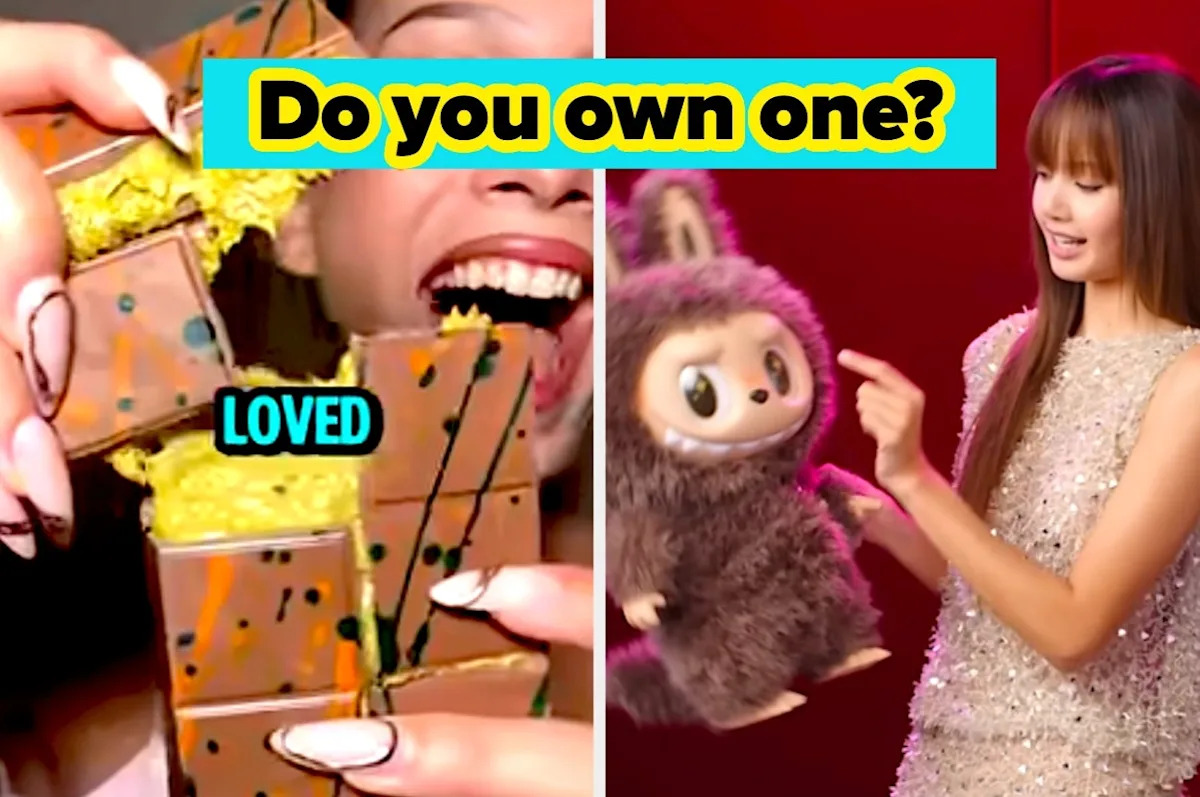
The viral Dubai chocolate phenomenon also received mention, with one user lamenting, “Very mad that I fell for the Dubai chocolate and wasted $15 on mediocre chocolate.” This reflects growing consumer fatigue with social media-driven product crazes that often fail to deliver on their hype.
Beauty standards and cosmetic procedures were another contentious area. Multiple users rejected what they perceive as a return to the “Y2K super skinny” aesthetic as the beauty standard for women’s bodies. Others criticized the homogenization of appearances through cosmetic procedures, with one commenter noting, “I love all the differences in our face shapes and features. It’s endlessly interesting to me.”
Celebrity product lines, particularly in the cosmetics industry, were widely dismissed, with one user expanding their comment to include “celebrity-owned anything.”
Tech products weren’t immune to criticism either. Several users expressed skepticism about AI tools like ChatGPT, Meta’s Ray-Ban smart glasses, and the persistent influence of social media platforms like Twitter (now X).
Politically charged content also appeared in the discussion, with some users stating they avoid “anything remotely MAGA or Trump related” and others expressing concern about “anti-birth control propaganda” they believe could eventually lead to restrictions on contraceptive access.
Popular consumer products like Stanley water bottles, Crumbl cookies, and Labubus toys were also met with resistance, with users questioning their value and popularity.
The discussion highlights a growing trend of consumer skepticism in an age of constant marketing, social media influence, and rapid trend cycles. As one commenter simply put it when asked about their rejection of capitalism: the endless cycle of consumerism and trends is making many people “so tired.”
This online conversation reflects broader societal questions about sustainability, authenticity, and the value of constantly chasing the next big thing in an increasingly digitized and commercialized culture.
Fact Checker
Verify the accuracy of this article using The Disinformation Commission analysis and real-time sources.

8 Comments
Skepticism towards algorithm-driven content and the rapid cycling of micro-trends is understandable. It’s important to be discerning about what media and products we consume, rather than just passively accepting them.
Well said. Taking the time to think critically about cultural influences, rather than blindly following trends, is a sign of maturity and discernment.
It’s good to see people questioning the motives and impacts behind popular products and social media platforms. Maintaining a critical eye on these cultural influences is important, even if they seem innocuous at first glance.
I’m curious to learn more about the ‘Labubus’ trend mentioned in the title. What is it, and why is it being viewed as propaganda? The discussion around skepticism towards hyped cultural phenomena is thought-provoking.
The concerns raised about fast fashion’s environmental and labor issues are valid. It’s an industry that often prioritizes profits over ethics. Consumers should be more mindful of these problems when making purchasing decisions.
Absolutely. Fast fashion’s race to the bottom on prices has come at a huge cost to the planet and workers. More transparency and accountability is needed in that sector.
Interesting to see how quickly pop culture trends can become scrutinized and rejected. The TikTok algorithm and fast fashion concerns raised here are valid points worth considering.
This discussion highlights the need for greater media literacy and awareness of how propaganda and hype can manifest in pop culture. Maintaining a healthy dose of skepticism is prudent, especially when it comes to viral phenomena.