


Listen to the article
In a move that has sparked controversy across media circles, Politico has appointed a former assistant to ABC News anchor George Stephanopoulos as its new top editor, drawing criticism from various quarters about potential political bias in the publication’s leadership.
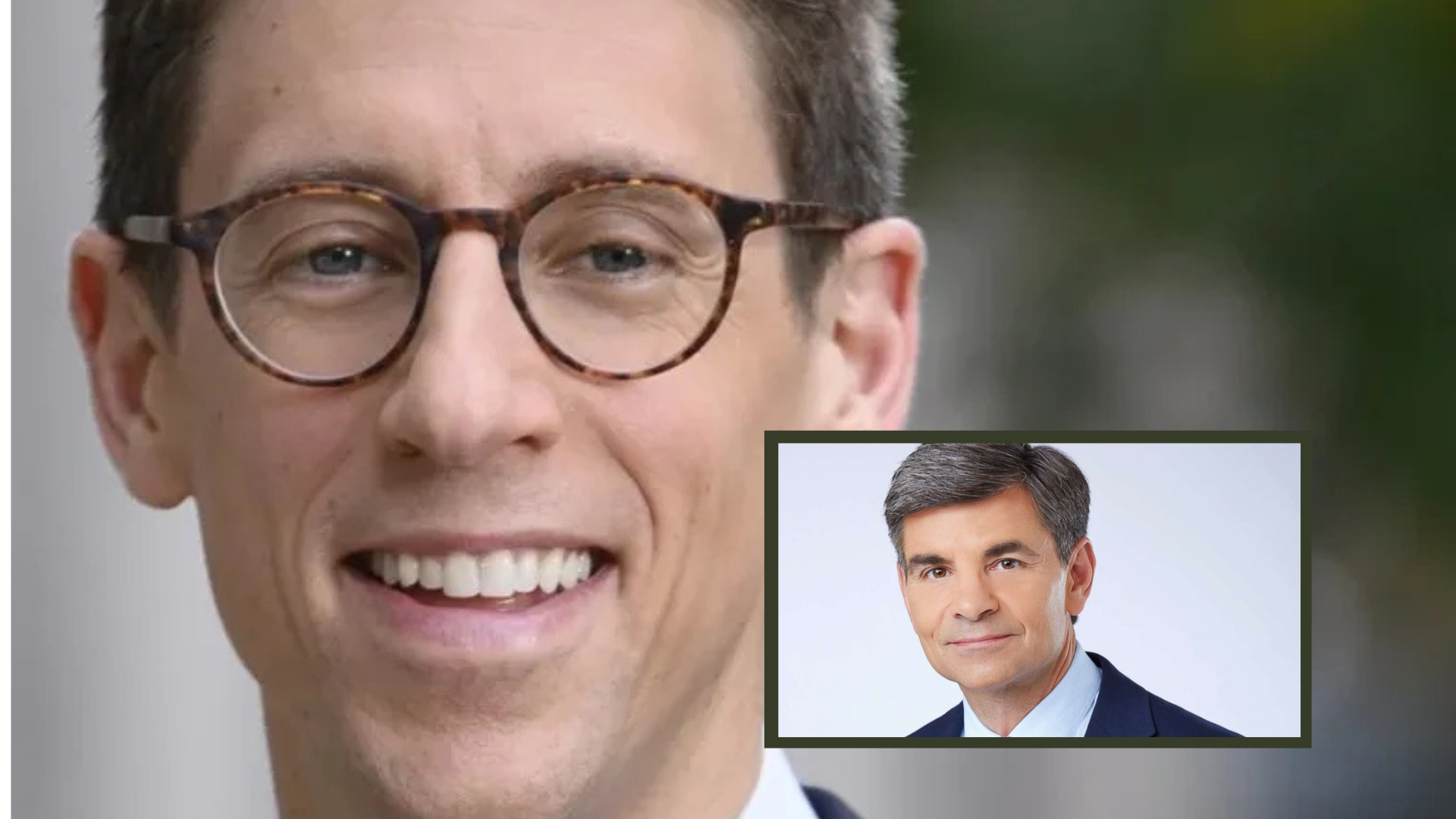
Dafna Linzer, who previously served as Stephanopoulos’s managing editor at ABC News, will take the helm at Politico, one of Washington’s most influential political news outlets. Before her time at ABC, Linzer held positions at NBC News and MSNBC, following earlier stints at the Associated Press and the Washington Post, where she covered national security and intelligence matters.
The appointment has ignited debate about media independence and political leanings in journalism leadership. Critics have questioned whether Linzer’s professional connection to Stephanopoulos—himself a former Clinton administration communications director before transitioning to journalism—might influence Politico’s editorial direction.
Conservative commentators have been particularly vocal, with some characterizing the publication as increasingly aligned with Democratic messaging. The criticism reflects broader tensions in American media, where concerns about partisan bias have intensified amid a polarized political landscape.
Stephanopoulos’s own career trajectory from politics to media has long been a flashpoint for discussions about the revolving door between political operations and journalism. After serving in the Clinton White House, he successfully reinvented himself as a television journalist, becoming one of ABC’s most prominent news personalities.
Media industry analysts note that Politico’s influence in Washington political circles makes leadership changes particularly consequential. Founded in 2007, the publication quickly established itself as an essential read for the political class in Washington, known for its insider coverage of policy, campaigns, and government.
The publication changed hands in 2021 when German publishing giant Axel Springer acquired it for a reported $1 billion, signaling the outlet’s significant value in the political media ecosystem. Under Axel Springer’s ownership, Politico has continued to expand its footprint in political coverage while facing the same industry-wide challenges of digital transformation and audience retention that affect most news organizations.
Linzer’s appointment comes at a critical juncture for political journalism, with the 2024 presidential election cycle already underway. News organizations face intense scrutiny over how they cover political figures and contentious policy debates, with audience trust in media institutions at historically low levels.
Media experts emphasize that editorial leadership transitions often prompt questions about potential shifts in coverage priorities or perspective. “Any time there’s a leadership change at a major political publication, it’s natural to see speculation about what direction the outlet might take,” said a journalism professor at a leading communications school who requested anonymity to speak candidly about industry dynamics.
Defenders of the appointment point to Linzer’s extensive journalism experience beyond her association with Stephanopoulos, noting her background in investigative reporting and international coverage. They argue that professional relationships in media are complex and don’t necessarily predict editorial decisions.
The controversy highlights ongoing debates about perception versus reality in news media objectivity. While news organizations strive to maintain editorial independence, critics on both ends of the political spectrum frequently question whether personal backgrounds and professional networks of journalists influence coverage decisions.
Politico has not publicly addressed the criticisms directly but has emphasized Linzer’s qualifications and journalism experience in announcements about her appointment. The publication continues to position itself as a non-partisan source of political news and analysis.
As political news consumption becomes increasingly fractured along partisan lines, leadership decisions at influential publications like Politico remain subject to intense scrutiny from media watchdogs, political operatives, and competing news organizations alike. The debate around Linzer’s appointment reflects not just concerns about one publication’s editorial direction but broader questions about trust, transparency, and political neutrality in American journalism.
Fact Checker
Verify the accuracy of this article using The Disinformation Commission analysis and real-time sources.

8 Comments
This is an unfortunate development that threatens to further erode public trust in the media. Politico must demonstrate its commitment to objective, non-partisan journalism in the face of these concerns.
This appointment seems to align with concerns over growing political polarization in media. Politico should strive for objective, fact-based reporting that serves the public interest, not partisan agendas.
I agree. Maintaining journalistic integrity is crucial, regardless of political affiliations.
The criticism from conservative commentators is understandable, given Politico’s perceived liberal leanings. However, I hope the new editor-in-chief can uphold high standards of journalism and resist any undue political influence.
Appointing a former Stephanopoulos aide does raise legitimate concerns about Politico’s political leanings. However, the new editor-in-chief should be judged on the quality and fairness of the outlet’s reporting, not their past affiliations.
This is a complex issue without easy answers. Media independence is essential, but the public also deserves transparency about potential conflicts of interest or biases. Politico should address these concerns directly.
Interesting move by Politico. Appointing a former Stephanopoulos aide as editor-in-chief raises questions about potential political bias. It’s important for news outlets to maintain independence and impartiality.
As a longtime Politico reader, I’m curious to see how this change in leadership will impact the publication’s coverage and reputation. Impartiality should be the top priority, regardless of political connections.