


Listen to the article
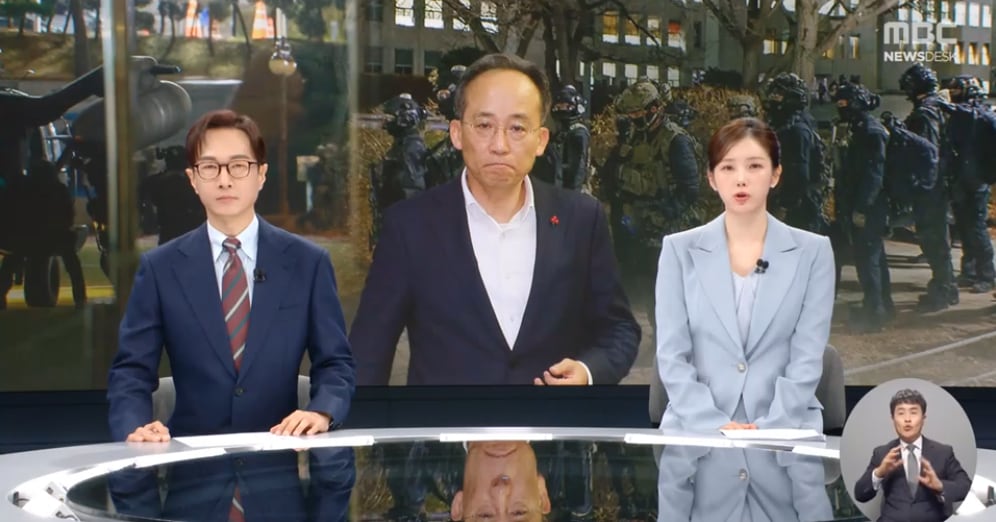
South Korea’s ruling People Power Party (PPP) has launched a scathing critique of MBC, one of the country’s major broadcasters, accusing the network of producing content that interferes with the upcoming April general election.
In a strongly worded statement issued Monday, PPP officials characterized MBC’s recent programming as “propaganda” deliberately designed to influence voter sentiment ahead of the crucial parliamentary elections. The party claims the broadcaster has abandoned journalistic neutrality in favor of content that portrays the ruling party in a negative light while giving preferential coverage to opposition figures.
“What we’re witnessing is not journalism but a calculated attempt to sway public opinion through selective reporting and biased framing,” said a senior PPP spokesperson during a press conference at the National Assembly. “MBC has crossed the line from being a public broadcaster to becoming a political actor in the democratic process.”
The controversy centers around several recent investigative reports and political talk shows broadcast by MBC that the PPP alleges contained factual inaccuracies and displayed clear partisan leanings. Party representatives pointed to specific examples, including coverage of government policies and interviews with political figures that they claim were edited to present misleading narratives.
This dispute occurs against a backdrop of increasing political polarization in South Korean media. The country’s broadcasting landscape has long been divided along ideological lines, with different networks perceived as leaning toward conservative or progressive viewpoints. MBC has historically been viewed as more progressive-leaning compared to other major networks like KBS and SBS.
Media experts note that tensions between political parties and news organizations typically intensify in the lead-up to elections. Professor Kim Jong-min from Seoul National University’s Department of Media and Communication explained, “What we’re seeing is part of a broader pattern in Korean politics where media outlets become battlegrounds for competing political narratives, especially during election seasons.”
MBC has defended its coverage, issuing a statement reaffirming its commitment to journalistic integrity and independence. “Our reporting adheres to the highest standards of journalistic ethics. We categorically reject any accusations that our content is designed to interfere with the electoral process,” the broadcaster stated.
The network emphasized that its role as a public broadcaster includes holding all political parties accountable through rigorous reporting and fact-based analysis, regardless of their position in government.
South Korea’s National Election Commission, the independent body responsible for ensuring fair elections, has not yet commented on the specific allegations against MBC. However, the commission has previously issued guidelines for media outlets to maintain fairness and impartiality in their election coverage.
Media watchdog organizations have called for calm and warned against attempts to undermine press freedom. The Korean Journalists Association urged political parties to respect media independence while also encouraging broadcasters to maintain high standards of objectivity and fairness in their reporting.
The April general elections will determine the composition of South Korea’s 300-seat National Assembly, with control of the legislature at stake. Currently, the PPP holds a slim majority, but recent polling suggests a competitive race with the opposition Democratic Party making gains in several key districts.
Political analysts suggest that the PPP’s criticism of MBC may be part of a broader strategy to rally its base by portraying mainstream media as biased against conservative viewpoints. This approach has been employed successfully by political movements in other democracies facing similar media trust challenges.
As the election approaches, the conflict between the PPP and MBC highlights the delicate balance between political accountability, press freedom, and electoral integrity in South Korea’s vibrant but often contentious democratic landscape. The outcome of this dispute could influence not only public perception of both the party and the broadcaster but also shape the broader discourse around media’s role in Korean democracy.
Fact Checker
Verify the accuracy of this article using The Disinformation Commission analysis and real-time sources.

7 Comments
While political tensions are often high during elections, the relationship between government and media should be one of mutual respect and independence. I hope both sides can engage constructively to resolve this dispute and uphold democratic principles.
It’s important to maintain a healthy balance between media scrutiny and political power. Accusations of bias require careful examination, but the public also has a right to receive fair and impartial reporting. I hope this issue can be resolved through open dialogue.
This is a concerning situation that warrants close scrutiny. Allegations of media bias can undermine public confidence, so it’s crucial that any issues are examined objectively. I hope the relevant authorities investigate thoroughly and impartially.
You raise a valid point. The integrity of elections is paramount, and any credible concerns about improper influence must be taken seriously and addressed through proper channels.
Interesting allegations from the ruling party against the broadcaster. I’d want to see clear evidence of bias and factual inaccuracies before drawing conclusions. Impartial and balanced media coverage is crucial for a healthy democracy.
I agree, claims of election interference should be substantiated. Transparency and accountability are important for public trust in media and the electoral process.
This is a complex issue that highlights the delicate balance between media freedom and political accountability. I will be following this story closely and hope that a fair and transparent resolution can be reached that upholds democratic values.