


Listen to the article
Pakistan Refutes Reports of Strikes in Afghanistan’s Kunar Province, Calls Claims “Propaganda”
Pakistan has firmly rejected claims circulating in Afghan media regarding alleged military strikes in Afghanistan’s Kunar province, dismissing them as “propaganda” designed to spread misinformation rather than reflect actual events on the ground.
The Ministry of Information and Broadcasting issued a statement through its official fact-checking platform on Wednesday, addressing what it termed “phantom strikes” being reported by Afghan media outlets and subsequently amplified by networks allegedly linked to India.
“Any cross-border action against militant infrastructure would be openly acknowledged and backed by evidence,” the ministry stated, emphasizing that Pakistan maintains transparency in its counter-terrorism operations. The government further clarified that operations conducted under the “Ghazab Lil Haq” initiative targeting militant infrastructure inside Afghanistan would be “well declared, fully owned and backed by precise evidence,” consistent with established protocols.
Pakistani officials underscored that the country’s counter-terrorism operations are meticulously targeted and documented, cautioning against conflating speculative claims with actual military engagements. This approach, according to the ministry, reflects Pakistan’s commitment to responsible security measures in the region.
The statement took aim at the Afghan Taliban administration, accusing it of resorting to “misinformation and hate narratives” due to governance shortcomings. Pakistan further alleged that the administration in Kabul has adopted “Indian propaganda practices,” including what it described as false flag narratives intended to distort regional security perceptions.
This denial comes amid increasingly strained relations between Islamabad and Kabul, with border security and terrorism concerns remaining contentious issues between the neighboring countries. Since the Taliban’s return to power in Afghanistan in August 2021, Pakistan has repeatedly expressed concerns about militant groups using Afghan territory as a launching pad for attacks against Pakistani targets.
Regional security analysts note that the information dispute represents a broader challenge in Pakistan-Afghanistan relations. “We’re witnessing an escalation in information warfare alongside the physical security concerns,” said Hassan Mehdi, a Islamabad-based security analyst. “Both sides are increasingly aware of the power of narrative in shaping international perceptions and diplomatic leverage.”
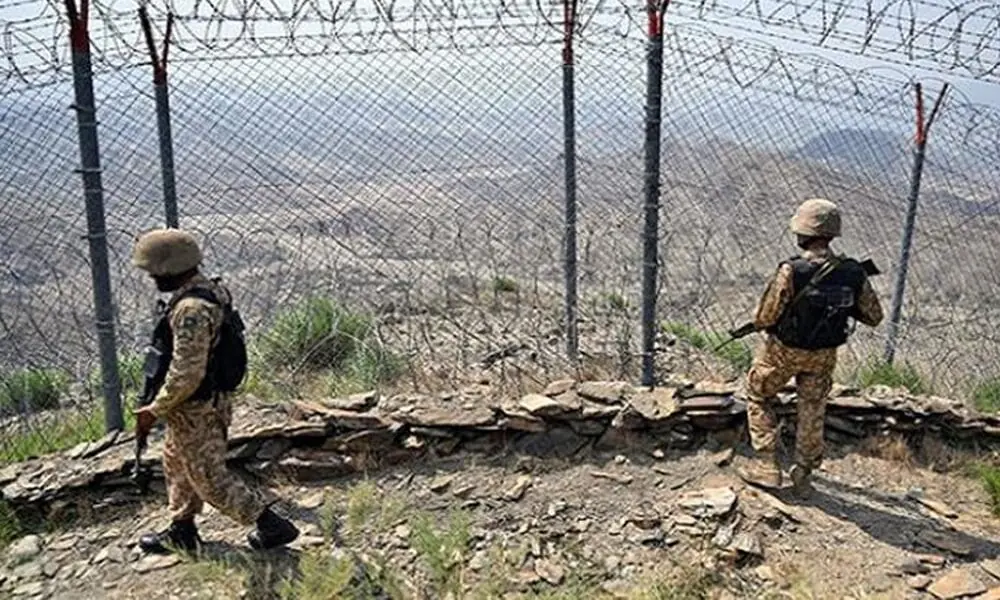
The disputed reports emerge as Pakistan continues to face security challenges along its western border. The country has reported numerous attacks originating from Afghanistan in recent years, particularly in its northwestern regions bordering Afghanistan.
The Kunar province, located in eastern Afghanistan along the Pakistani border, has historically been a sensitive area for both countries due to its complex terrain and security dynamics. The mountainous region has frequently been cited as a haven for various militant groups operating across the porous border.
Diplomatic channels between Pakistan and Afghanistan have remained active but tense, with periodic border closures and restrictions affecting trade and movement between the countries. Economic ties, once promising after the Taliban takeover, have been hampered by security concerns and political disagreements.
International observers continue to monitor the situation closely, as stability along the Afghanistan-Pakistan border remains critical for regional security and the broader South Asian geopolitical landscape.
As information contestation intensifies between the neighboring countries, distinguishing between factual security operations and propaganda has become increasingly challenging for regional stakeholders and the international community alike.
Fact Checker
Verify the accuracy of this article using The Disinformation Commission analysis and real-time sources.

11 Comments
It’s disappointing to see this dispute devolve into a war of words. I hope the governments involved can rise above the rhetoric and focus on finding a diplomatic solution that promotes regional stability and security.
Pakistan’s rejection of the Afghan government’s claims as ‘propaganda’ raises some valid concerns. Both sides should strive for a more constructive dialogue and focus on de-escalating tensions through diplomatic means.
Exactly, resorting to inflammatory rhetoric is unlikely to lead to a productive solution. The countries need to work together to address the root causes of the conflict.
This appears to be a classic case of conflicting narratives. It’s crucial that both Pakistan and Afghanistan work to establish the facts and avoid further escalation of tensions through the use of propaganda or inflammatory rhetoric.
While I understand the sensitivity of the issue, I’m not convinced that simply dismissing the Afghan government’s claims as ‘propaganda’ is the most constructive approach. Both sides should seek to de-escalate the situation through open and transparent dialogue.
I agree, a more measured and cooperative approach is needed to address this complex geopolitical dispute. Resorting to accusations alone is unlikely to lead to a lasting resolution.
The allegations and counter-allegations between Pakistan and Afghanistan are concerning. I hope the relevant authorities can engage in constructive dialogue to resolve this issue amicably and find a peaceful solution that addresses the concerns of both sides.
Agreed. Maintaining open communication channels and a willingness to compromise will be essential in navigating this complex geopolitical situation.
This seems like a complex geopolitical issue. It’s important that both sides provide clear evidence to support their claims rather than resorting to allegations and propaganda. Transparency and open communication are key to resolving such cross-border disputes.
I agree, transparency and facts should guide the discussion. Accusations alone won’t resolve the underlying tensions.
It’s concerning to see these types of cross-border allegations being made. I hope the relevant authorities can investigate the matter thoroughly and provide concrete evidence to support their respective positions.