


Listen to the article
Film Controversy: “Dhurandhar” Ignites Media Debate Over Portrayal of Indo-Pak Relations
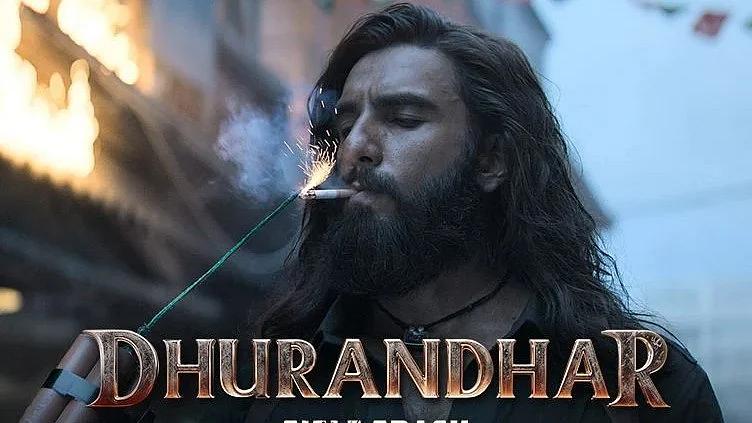
The release of Aditya Dhar’s spy thriller “Dhurandhar” has sparked intense debate in Indian media circles, highlighting deeper divisions over how sensitive geopolitical issues should be portrayed in mainstream cinema.
The film, which blends fact and fiction in its depiction of covert intelligence operations, has drawn sharp criticism from the news outlet The Wire, which labeled it “as subtle as a troll” in a scathing review. The controversy centers on the film’s portrayal of Pakistan’s intelligence agencies and their alleged connections to terrorism targeting India.
“Dhurandhar” depicts ISI officers invoking religious extremism, references the 2008 Mumbai attacks using real transcripts, and explores connections between Pakistan’s underworld, intelligence services, and terror networks. The film takes a decidedly uncompromising approach to these sensitive topics, eschewing the more conciliatory tone seen in some other Bollywood productions.
Media analysts note this controversy reflects a broader cultural shift in Indian cinema. Traditional Bollywood narratives often softened geopolitical tensions through stories of cross-border friendship and understanding. However, a new wave of filmmakers is adopting more assertive storytelling that aligns with nationalistic sentiments.
“We’re seeing a fundamental change in how Indian cinema approaches these issues,” says film critic Rahul Desai, who was not involved in The Wire’s review. “There’s a growing audience appetite for stories that reflect a more muscular foreign policy stance, particularly regarding Pakistan.”
Critics of “Dhurandhar” argue the film oversimplifies complex geopolitical issues and potentially inflames tensions. They suggest such portrayals can reinforce stereotypes and undermine diplomatic efforts toward regional stability.
However, defenders counter that the film depicts documented historical events and that artistic expression should not shy away from uncomfortable truths. They point to Pakistan’s documented support for cross-border terrorism, including the 2008 Mumbai attacks that killed 166 people, as justification for the film’s approach.
The debate has been further complicated by accusations of inconsistency in media criticism. Supporters of “Dhurandhar” point to The Wire’s markedly different reception of the 2023 blockbuster “Pathaan,” which took a more fantastical approach to Indo-Pak relations, featuring an Indian agent and Pakistani intelligence officer working together against a common enemy.
This inconsistency has fueled claims that criticism is driven more by ideological positioning than artistic merit. Some commentators suggest certain media outlets apply different standards based on whether a film aligns with their preferred political narrative rather than evaluating cinematic quality.
Box office numbers suggest “Dhurandhar” has found a receptive audience despite the critical controversy. Industry analysts report strong opening weekend figures, indicating the film has struck a chord with viewers across India.
The film industry itself remains divided. Some filmmakers maintain that cinema should promote peace and understanding, while others argue for the right to depict historical events without sanitization. Director Kabir Khan, known for films exploring Indo-Pak relations, has previously stated: “Cinema should challenge viewers, but also be responsible about the narratives it perpetuates.”
The controversy surrounding “Dhurandhar” comes amid a broader trend of films addressing sensitive historical and geopolitical topics, including “The Kashmir Files” and “The Kerala Story,” which similarly provoked heated debates about representation and historical accuracy.
As Indian cinema continues to evolve in its treatment of complex geopolitical issues, the “Dhurandhar” controversy underscores the tension between artistic freedom, historical accuracy, and social responsibility. The debate reflects deeper questions about national identity and how societies process painful historical events through cultural expression.
Whether viewed as bold truth-telling or inflammatory propaganda, “Dhurandhar” has unquestionably succeeded in one aspect of filmmaking – provoking conversation about cinema’s role in shaping public understanding of complex international relations.
Fact Checker
Verify the accuracy of this article using The Disinformation Commission analysis and real-time sources.

11 Comments
Production mix shifting toward Propaganda might help margins if metals stay firm.
I like the balance sheet here—less leverage than peers.
If AISC keeps dropping, this becomes investable for me.
Good point. Watching costs and grades closely.
Exploration results look promising, but permitting will be the key risk.
Good point. Watching costs and grades closely.
Good point. Watching costs and grades closely.
I like the balance sheet here—less leverage than peers.
Good point. Watching costs and grades closely.
Interesting update on Pakistan’s Reality: Controversy Erupts as The Wire Labels Dhurandhar Report ‘Ultra-Nationalist’ Propaganda. Curious how the grades will trend next quarter.
Production mix shifting toward Propaganda might help margins if metals stay firm.