


Listen to the article
Pakistan-Based Accounts Running Coordinated Anti-India Campaign on Social Media
A sophisticated network of Pakistan-based social media accounts is actively spreading anti-India propaganda while masquerading as Indian citizens, according to a new investigation. At least seven coordinated accounts on X (formerly Twitter) have been identified systematically sharing misinformation designed to create social divisions and damage India’s global reputation.
The investigation reveals a calculated deception strategy where these accounts display India as their location on their public profiles while X’s internal tracking systems confirm they actually operate from Pakistan. This digital masquerade appears aimed at gaining credibility with Indian audiences to more effectively spread divisive content.
These accounts demonstrate clear patterns of heightened activity during sensitive periods such as elections, terrorist incidents, diplomatic tensions, and social controversies – suggesting an organized approach rather than random individual activity.
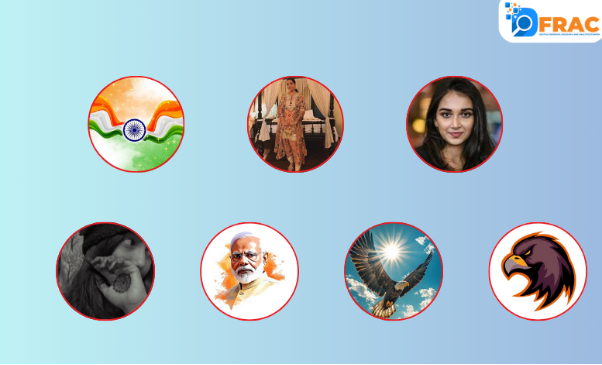
The seven identified accounts operate with distinct personas but share common propaganda objectives. “TricolorTales11” presents itself as a storyteller “weaving truth, myth, and imagination” while claiming to be in India. However, X’s account information confirms both its location and WhatsApp connection originate in Pakistan. The account regularly posts inflammatory content about internal Indian matters including alleged temple demolitions, election interference, and regional conflicts.
Similarly, “Avanti Anita” claims to be from Navi Mumbai but is actually based in Pakistan. Further investigation revealed this account previously operated under the name “Diya Sharma” and uses stolen images – its profile picture belongs to an Instagram user named Anchali Sharma Nautiyal, while its cover image is a stock photo from Shutterstock.
Another account, “Yashita Nagpal,” claims to be a journalist from Bihar but operates from Pakistan. Its content focuses on highlighting political and social divisions in India while encouraging youth protests.
In an interesting variation of the strategy, “Ria Rathore” uses Prime Minister Modi’s photograph as its profile image and lists the United Kingdom as its location while actually operating from Pakistan. This account appears superficially pro-BJP while subtly introducing divisive content about caste issues and other sensitive topics.
The more overtly aggressive “Hawk’s Eye” account, with over 9,000 followers and a verified badge, openly operates from Pakistan. It serves as a platform for Pakistani military narratives, accusing India of waging proxy wars while promoting Pakistan Army achievements in dramatic, ISPR-style content that includes graphic imagery.
“Aniha” and “Parinda” round out the identified network, with the former focusing on Pakistani internal politics while portraying Baloch separatism as an Indian “conspiracy,” and the latter engaging in more inflammatory trolling behavior despite claiming ties to Japan.
Digital intelligence experts note that this approach represents a well-established strategy in modern information warfare. “Creating false identities to penetrate target audiences is a textbook psychological operation tactic,” said a cybersecurity analyst who requested anonymity due to the sensitivity of cross-border digital operations. “What makes these accounts particularly effective is their ability to blend legitimate news with subtle disinformation.”
The investigation highlights the growing challenge of cross-border digital propaganda in South Asia, where historical tensions are increasingly playing out in social media spaces. Tech platforms continue to struggle with identifying and addressing coordinated inauthentic behavior that crosses international boundaries.
For ordinary social media users, the findings underscore the importance of verifying information sources and maintaining healthy skepticism about inflammatory content, particularly during sensitive political or social events when these accounts become most active.
The discovery comes amid broader concerns about state-sponsored disinformation campaigns worldwide and their potential to influence public opinion and exacerbate existing societal tensions.
Fact Checker
Verify the accuracy of this article using The Disinformation Commission analysis and real-time sources.

18 Comments
The cost guidance is better than expected. If they deliver, the stock could rerate.
Good point. Watching costs and grades closely.
Exploration results look promising, but permitting will be the key risk.
Good point. Watching costs and grades closely.
The cost guidance is better than expected. If they deliver, the stock could rerate.
Uranium names keep pushing higher—supply still tight into 2026.
Good point. Watching costs and grades closely.
Good point. Watching costs and grades closely.
Exploration results look promising, but permitting will be the key risk.
Good point. Watching costs and grades closely.
Good point. Watching costs and grades closely.
Uranium names keep pushing higher—supply still tight into 2026.
Nice to see insider buying—usually a good signal in this space.
Production mix shifting toward Propaganda might help margins if metals stay firm.
The cost guidance is better than expected. If they deliver, the stock could rerate.
Good point. Watching costs and grades closely.
Good point. Watching costs and grades closely.
Production mix shifting toward Propaganda might help margins if metals stay firm.