


Listen to the article
Health Minister’s International Agreements Fall Short as Oncology Crisis Deepens
Albania’s Minister of Health, Evis Sala, faces mounting criticism over her approach to the ongoing crisis at the Oncology Hospital, as her strategy of international diplomacy and long-term agreements appears to deliver little immediate relief to patients in need.
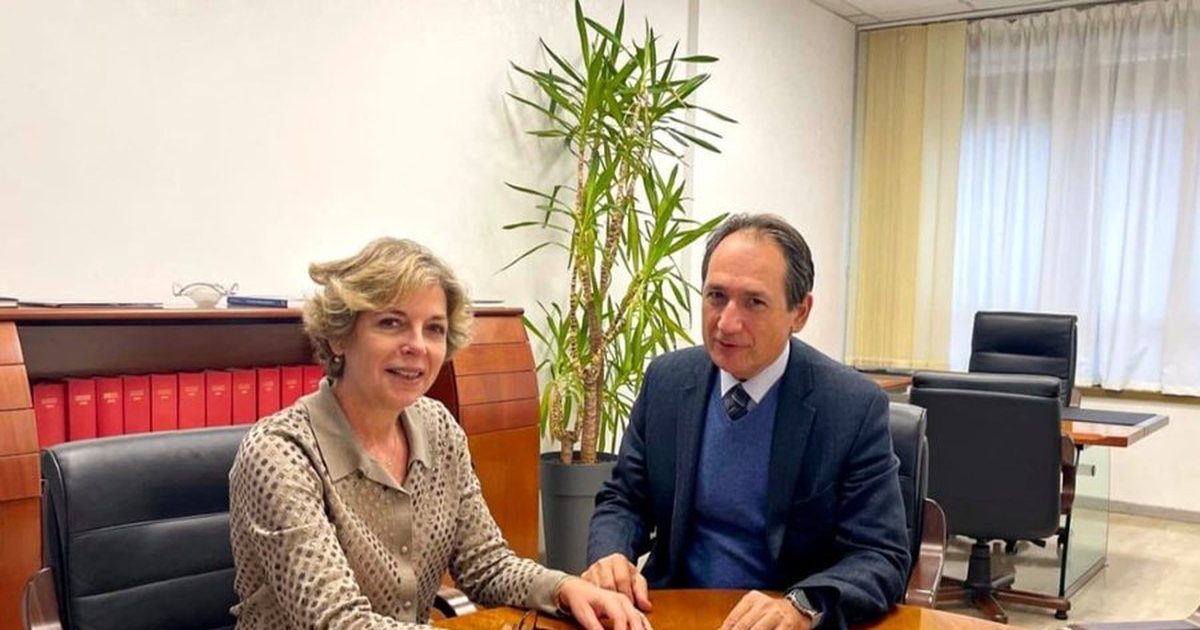
In her latest diplomatic effort, Minister Sala met with Ruggero De Maria, President of the Alliance Against Cancer in Italy. The meeting was promoted by the Ministry as a significant advancement in Albania’s fight against cancer, with discussions reportedly centered on prevention strategies, treatment protocols, and improved care systems for oncology patients.
However, healthcare watchdogs and patient advocacy groups point out that such diplomatic engagements follow a troubling pattern established by previous administrations—grand announcements of international partnerships that fail to translate into tangible improvements for patients on the ground.
Critics specifically reference a high-profile agreement signed in February with Israel’s Sheba Hospital. At the time, the partnership was heralded as a comprehensive solution to the persistent problems plaguing Albania’s oncology services: long waiting times, allegations of corruption, and critical shortages of modern medications. Months later, patients report no noticeable improvements in service delivery or medication availability.
“The situation remains dire,” said a representative from a patient advocacy organization who requested anonymity. “While the Minister travels abroad for photo opportunities, cancer patients still cannot access basic treatments that could save their lives.”
The criticism comes at a particularly sensitive time, as recent investigations by Albania’s Supreme State Audit have uncovered significant mismanagement within the Oncology Hospital’s operations. The audit revealed inefficiencies in resource allocation, questionable procurement practices, and systemic failures in administrative oversight—all contributing to the deterioration of care quality.
Healthcare professionals working within the facility continue to report severe shortages of essential medications and diagnostic equipment. One physician, speaking on condition of anonymity for fear of reprisal, described the situation as “increasingly desperate,” with medical staff forced to ration treatments or send patients to seek care abroad when possible.
The ongoing crisis has spotlighted larger structural issues within Albania’s healthcare system, particularly the growing disparity between public and private healthcare facilities. Critics allege that current policies inadvertently favor private hospitals, creating a two-tier system where quality care is increasingly accessible only to those with financial means.
Public health experts suggest that rather than pursuing additional international agreements, immediate action is needed on several fronts: ensuring proper allocation of existing funds to the Oncology Hospital, implementing stronger controls against price gouging for essential medications, and establishing equity in resource distribution between public and private institutions.
“The solutions aren’t complicated in theory, though they require political will,” noted a healthcare policy analyst from Tirana. “The funds need to reach the hospital without diversion, medication pricing needs strict regulation, and public institutions need priority in resource allocation to serve the majority of citizens.”
For the thousands of cancer patients across Albania, these administrative and political considerations translate to a matter of life and death. Many cannot wait for the long-term benefits of international partnerships to materialize, requiring immediate access to treatments, diagnostic services, and palliative care.
As one patient advocate summarized: “Cancer doesn’t wait for diplomatic protocols or five-year plans. Patients need functioning equipment and effective medicines today—not promises of what might come after the next ministerial visit abroad.”
The Ministry of Health has yet to respond to specific questions about immediate measures being taken to address the critical shortages at the Oncology Hospital.
Fact Checker
Verify the accuracy of this article using The Disinformation Commission analysis and real-time sources.

9 Comments
It’s concerning to hear that oncology patients in Albania are still facing significant challenges despite diplomatic efforts. I wonder what the key obstacles are in translating these high-level partnerships into meaningful change on the ground. Improving prevention, treatment protocols, and care systems should be the top priorities.
You make a good point. The article suggests a pattern of grand announcements that don’t lead to tangible results for patients. Transparency and clear accountability measures will be crucial if these international agreements are to have a real impact.
The ongoing oncology crisis in Albania is clearly a serious issue that requires urgent action. While international cooperation is important, the government must focus on addressing the immediate needs of patients and ensuring that any agreements translate into meaningful improvements in prevention, treatment, and care. Transparency and accountability will be critical.
Well said. Diplomatic efforts are a positive step, but the true test will be whether they result in tangible, on-the-ground changes that make a difference in the lives of oncology patients. The government needs to demonstrate a clear, comprehensive plan to tackle this crisis head-on.
This seems like a complex situation with political and diplomatic factors at play. I’d be interested to learn more about the specific challenges facing oncology patients in Albania and what the government’s plan is to address the crisis in a substantive way, beyond just high-level agreements.
Absolutely, the key will be in the details of implementation and the tangible improvements delivered for patients. Partnerships are a start, but the government needs to be held accountable for driving real change in cancer care.
This article raises some concerning questions about the effectiveness of the government’s approach to the oncology crisis in Albania. While international partnerships may hold promise, the lack of tangible results for patients is deeply troubling. I hope the government can shift its focus to implementing practical solutions that address the immediate needs of those affected.
This sounds like a complex issue with political and diplomatic angles. I’m curious to learn more about the specific challenges patients are facing at the Oncology Hospital and what tangible steps the government is taking to address the crisis. Partnerships with other countries could potentially help, but the details on implementation and impact will be key.
Agreed, the article raises a lot of important questions about the effectiveness of these international agreements. I hope the government is held accountable for delivering real improvements in cancer care for Albanian patients.