


Listen to the article
North Korean Rural Development Projects Face Operational Failures
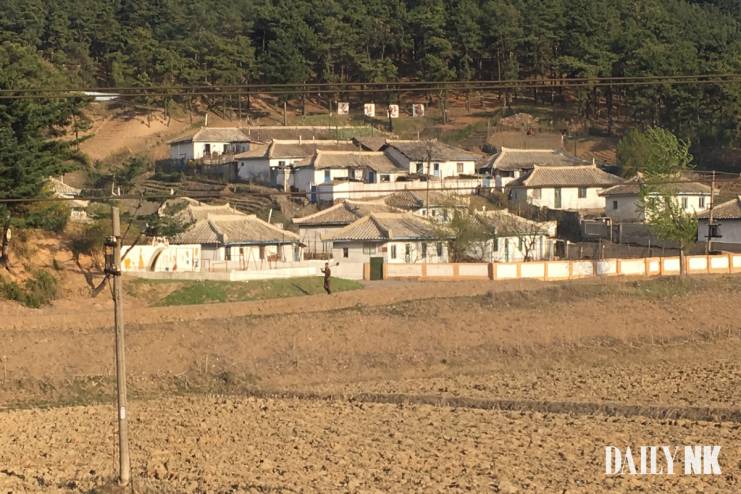
In rural North Korea, recently constructed shops, bathhouses, and other welfare facilities intended to promote prosperity stand largely empty, raising questions about the regime’s rural development strategy. Most facilities operate only sporadically, serving as hollow symbols rather than functional resources for local residents.
According to sources in North Pyongan province, the North Korean government has built numerous commercial and welfare facilities across provincial regions nationwide as part of its rural modernization campaign. However, in sparsely populated counties and villages, these establishments remain effectively shuttered due to lack of customers and supplies.
A telling example comes from Tappung village in Taegwan county, where a shop built nearly two years ago was visited by many villagers for the first time just last month. The rare foot traffic was prompted by an unprecedented distribution of salt and fermented seafood ingredients needed for making kimchi, a Korean staple. Despite being well-constructed, the shop’s shelves remain predominantly empty, with only a few locally produced items like soap on display.
“There was no reason to demolish the old store and build a new one if it has none of the goods we need,” local residents told Daily NK, expressing frustration with the initiative. “We have no reason to visit when we can’t even buy things at state-controlled prices.”
The brief period when the shop sold kimchi ingredients lasted only a week before returning to its usual empty state, according to the source.
This problem is particularly pronounced in less populated rural communities where commercial viability is challenging. Local people’s committees, which manage these facilities through their commercial departments, attempt to lease shops to private operators in exchange for rent. However, few entrepreneurs are willing to pay for spaces with virtually no customer traffic.
Multiple factors contribute to the operational failures of these facilities, including low population density, minimal disposable income among rural residents, and consumer preference for products from urban areas over those manufactured in provincial factories. Additionally, the sporadic and brief distribution of state goods creates only momentary demand that cannot sustain ongoing operations.
The situation has fueled cynicism among local populations. Many criticize these development projects as mere propaganda, describing them as “shells that look nice on the outside but are empty inside.” The modern buildings housing shops and clinics project an image of progress that fails to match the reality experienced by residents.
“State media claims rural communities are becoming modern, but nobody actually feels this,” the North Pyongan source explained. “In fact, more people think it would have been better not to build these facilities at all since locals were mobilized for construction work and had to contribute financially.”
This disconnect between appearance and substance highlights broader issues within North Korea’s economic development approach. The country has long prioritized showcase projects and visible symbols of progress over practical improvements to daily life, particularly in rural areas where resources are scarce.
These failed commercial ventures also reflect the continuing struggles of North Korea’s centrally planned economy, which has been further strained by international sanctions and pandemic-related border closures. With limited consumer goods available for distribution and minimal private sector activity permitted, the state’s attempts to create functioning markets in rural areas have little chance of success.
As rural communities continue to lag behind urban centers in development, the empty shops and facilities stand as testament to the challenges facing North Korea’s provincial populations and the limitations of the regime’s economic policies.
Fact Checker
Verify the accuracy of this article using The Disinformation Commission analysis and real-time sources.

11 Comments
This report paints a concerning picture of North Korea’s rural development efforts. The vacant facilities and sporadic operations suggest the regime is more interested in projecting an image of progress than actually improving the lives of people in these communities. Transparency and accountability will be key to addressing these systemic failures.
It’s concerning to see North Korea’s rural development projects failing to serve the local population as intended. This seems to highlight the disconnect between the regime’s propaganda and the reality on the ground. One wonders how much of this infrastructure was built for show rather than genuine improvements in living standards.
It’s disheartening to see these rural development projects failing so spectacularly in North Korea. The empty shops and lack of supplies indicate a significant disconnect between the regime’s rhetoric and the lived experiences of people outside the major cities. Addressing these disparities should be a top priority.
The details in this report highlight the ongoing challenges North Korea faces in delivering meaningful development and services to its rural population. The empty storefronts and lack of supplies are a stark reminder that the regime’s propaganda often fails to match the realities on the ground. Addressing these gaps should be a priority for the government.
This report highlights the discrepancy between North Korea’s propaganda and the realities faced by its citizens, especially in more remote areas. While the regime emphasizes its efforts to develop the countryside, the empty storefronts and lack of supplies suggest a very different picture on the ground.
It’s troubling to see these rural development projects failing so spectacularly. The North Korean government’s inability to follow through on its promises and provide basic services to its citizens is deeply concerning. This seems to be yet another example of the regime prioritizing image over substance.
This report underscores the importance of scrutinizing North Korea’s claims about its development efforts, especially in the countryside. The reality of empty, underutilized facilities suggests the regime is more focused on propaganda than actually improving the lives of rural residents. Addressing these failures should be a priority.
Absolutely. Maintaining a critical eye when evaluating North Korea’s stated goals and achievements is crucial, as this report demonstrates. Only by looking beyond the propaganda can we gain a clearer understanding of the true conditions facing the North Korean people.
The vacant rural facilities described in this report are a stark reminder of the challenges North Korea faces in delivering on its development promises. Lack of resources, poor planning, and a disconnect from the needs of local communities appear to be key factors behind these failures. Improved transparency and accountability could help address these issues.
The lack of operational facilities and supplies in these rural areas is disappointing, but not entirely surprising given North Korea’s history of prioritizing urban centers over the countryside. This seems to be another example of the regime’s inability to effectively manage and distribute resources across the country.
You make a good point. The rural-urban divide is a persistent challenge in North Korea that the regime has struggled to address. Hopefully this situation can improve to provide better services and economic opportunities for people living outside the major cities.