


Listen to the article
Music Biopics: Glossing Over Darkness for Box Office Gold
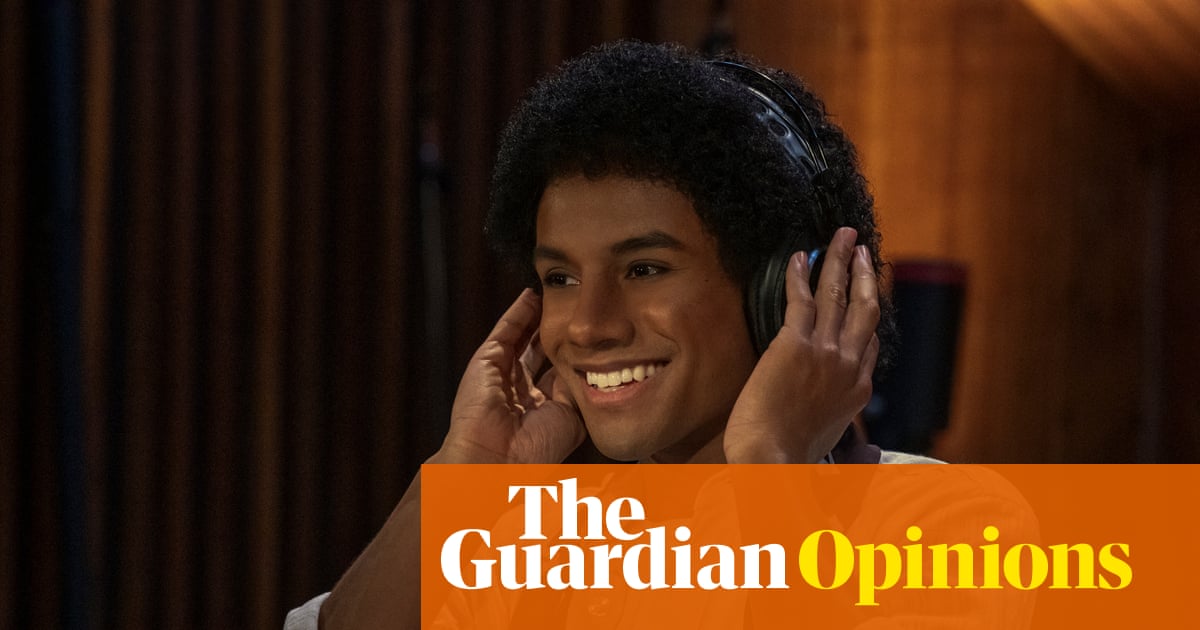
As Michael Jackson’s face emerges from a dissolving Ferris wheel in Antoine Fuqua’s new biopic “Michael,” producer Quincy Jones tells the star that people crave “pure escapism.” The film delivers exactly that – a sanitized, greatest-hits version of Jackson’s rise to fame that carefully avoids the controversial allegations that later shadowed his legacy. While Jackson’s Sony-licensed songs remain as captivating as ever, the film exemplifies a troubling trend in authorized music biopics.
Since Bohemian Rhapsody’s stunning $911 million box office haul and four Oscar wins in 2018, studios and music estates have rushed to capitalize on the formula. Despite critical skepticism, Queen’s involvement in that film set a lucrative precedent: control the narrative while boosting streaming figures for the artist’s catalog.
This new wave of authorized biopics includes films about Elton John, Aretha Franklin, Elvis Presley, Whitney Houston, Amy Winehouse, Bob Marley, Robbie Williams, Bob Dylan, and Bruce Springsteen. The best entries offer genuine insights into creative processes and cultural impact. “A Complete Unknown” smartly focuses on Dylan’s folk beginnings to tell a broader story about celebrity and shifting cultural tides. “Springsteen: Deliver Me from Nowhere” examines how the Boss’s album “Nebraska” emerged from personal struggles, illustrating how artistic inspiration requires deliberate searching rather than divine intervention.
However, other examples fall short. Sam Taylor-Johnson’s “Back to Black” reduces Amy Winehouse to her most troubled romantic relationship instead of exploring her artistry more fully. The sympathetic portrayal of Winehouse’s father, Mitch – who manages her estate and was portrayed less favorably in Asif Kapadia’s 2015 documentary “Amy” – raises questions about creative independence.
For studios, these estate-approved biopics represent safe investments with built-in audiences and recognizable music. Yet they consistently flatten the complexity of their subjects. “Bohemian Rhapsody” downplayed Mercury’s sexuality, while “Whitney Houston: I Wanna Dance with Somebody” glossed over the extent of Houston’s drug use. The sanitization diminishes the very humanity that made these artists compelling.
“Michael” takes this approach to an extreme. The film covers only 20 years of Jackson’s life, conveniently ending well before the multiple child sexual abuse allegations that emerged in 1993 and resurfaced in the 2019 documentary “Leaving Neverland” (which the Jackson estate fought to have removed from HBO). The portrayal of Jackson’s personal life is remarkably neutered – showing him eating ice cream, reading children’s books, and watching movies with his mother – without questioning these characterizations or exploring the adult environments he navigated as a child star.
This approach benefits estates and studios financially but offers little substantive value to fans. Dedicated followers are likely to be frustrated by historical inaccuracies inserted for dramatic effect, while casual listeners seeking origin stories won’t find meaningful answers in formulaic montages of screaming crowds and studio sessions. For pure nostalgia, viewers might be better served watching actual concert footage on YouTube.
The most successful music biopics dare to be bolder. “Rocketman” embraced magical realism to capture Elton John’s essence. “A Complete Unknown” wasn’t afraid to portray Dylan as arrogant. Even “Better Man,” the Robbie Williams biopic that cast the singer as a performing monkey, used Williams’ hits to explore darker themes of addiction and insecurity, resulting in a strange but moving film.
Despite these artistic concerns, “Michael” is projected to earn $150 million on its opening weekend according to Deadline. The estate-sanctioned music biopic remains too commercially viable to fail, regardless of how it reduces cultural icons to simplistic narratives of triumph and tragedy.
These films perfectly reflect our current cultural moment: an era where compelling storytelling trumps factual accuracy, publicists wield unprecedented control, and comforting nostalgia overshadows complex contemporary work. While “Michael” will likely succeed in boosting Jackson’s streaming numbers, it will likely be quickly forgotten – an ironic fate for films celebrating musicians who genuinely transformed culture.
Fact Checker
Verify the accuracy of this article using The Disinformation Commission analysis and real-time sources.
