


Listen to the article
Iran’s Digital Paradox: Creative Diplomacy Abroad, Censorship at Home
In a stark display of strategic contradiction, Iran’s government has established a sophisticated dual approach to information warfare that combines innovative online outreach internationally while enforcing rigorous censorship domestically.
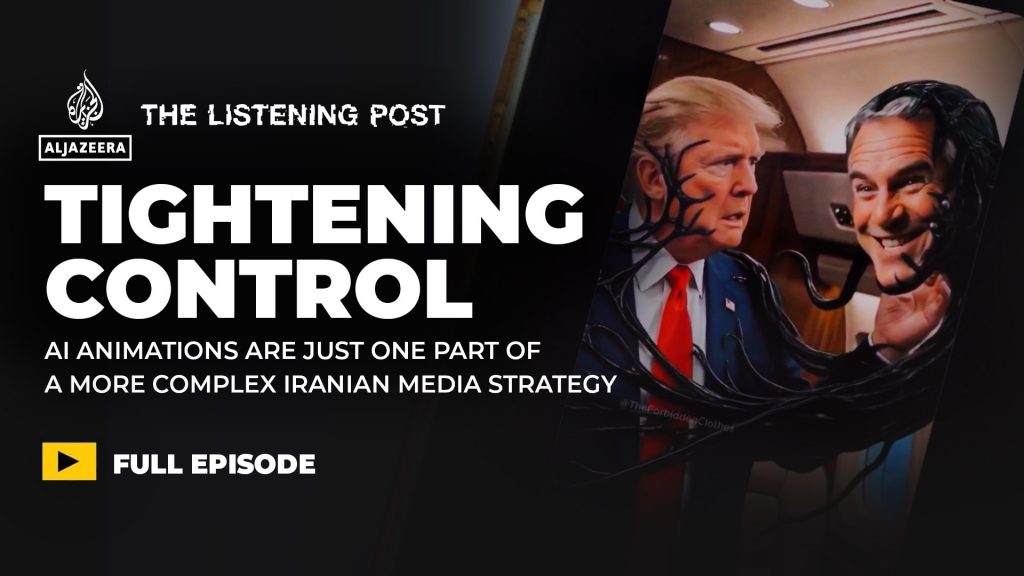
The Islamic Republic has significantly expanded its digital diplomacy efforts, deploying surprisingly modern tactics including AI-generated content, internet memes, and even hip-hop diss tracks targeting former U.S. President Donald Trump and his supporters. These creative approaches represent a calculated attempt to engage Western audiences on familiar cultural ground, projecting an image of a regime that understands contemporary internet culture.
According to reporting from Al Jazeera, these international information campaigns aim to present Iran as more relatable and progressive than typically portrayed in Western media. The tactics represent a significant evolution in Iran’s propaganda apparatus, which has traditionally relied on more conventional messaging channels.
“This is digital diplomacy with an edge,” explained Dr. Maryam Alavi, a media specialist at the London School of Economics who tracks Iranian information operations. “The regime recognizes that younger global audiences respond better to content that feels authentic and culturally relevant rather than formal diplomatic statements.”
Inside Iran’s borders, however, citizens experience a radically different reality. The government continues to implement sweeping internet blackouts during periods of unrest, arrest social media influencers and journalists, and maintain tight control over information flows. During the 2022 protests following Mahsa Amini’s death, authorities severed internet access across much of the country to prevent protest coordination and limit information leaving Iran.
This stark contrast between external engagement and internal repression highlights the regime’s fundamental concern with maintaining power while attempting to soften its international image, particularly as tensions with Western powers persist over Iran’s nuclear program and regional activities.
Digital rights organizations have documented over 800 cases of journalists, bloggers, and online activists detained in Iran over the past three years. Meanwhile, the country maintains one of the world’s most sophisticated internet filtering systems, blocking thousands of websites and social media platforms.
“The Iranian government wants to be seen as modern and digitally savvy in the international arena while ensuring citizens at home can’t freely access information or organize online,” noted Sarah Michaels from Digital Rights Watch, an internet freedom advocacy organization. “It’s a textbook case of information control in the digital age.”
The regime’s approach also reveals its understanding of modern information warfare dynamics. By engaging with Western internet culture through relatable formats like memes and music, Iran attempts to bypass traditional media gatekeepers and speak directly to foreign audiences, particularly younger demographics.
The strategy has yielded mixed results. While some of Iran’s digital content has gained traction internationally, skepticism remains high given the well-documented human rights concerns within the country. Additionally, diaspora Iranians frequently highlight the hypocrisy of the government’s dual approach to information.
For Iranian citizens, this contradiction is especially stark. Those with technical knowledge can sometimes circumvent internet restrictions using VPNs and other tools, giving them glimpses of both Iran’s international messaging and unrestricted global information—revealing the significant gap between how their government presents itself abroad and how it operates at home.
As digital platforms continue evolving, Iran’s information strategy will likely adapt as well. Experts suggest the regime will further refine its international digital presence while developing more sophisticated tools to monitor and control domestic internet use.
“What we’re witnessing is a new form of authoritarian information management,” commented Dr. Alavi. “Iran has recognized that complete isolation is impossible in the digital age, so instead it’s developing this bifurcated approach—creative engagement externally, strict control internally.”
This digital paradox represents just one facet of Iran’s broader efforts to navigate international relations and domestic governance in an increasingly connected world where information flows are harder than ever to control completely.
Fact Checker
Verify the accuracy of this article using The Disinformation Commission analysis and real-time sources.

17 Comments
Silver leverage is strong here; beta cuts both ways though.
Good point. Watching costs and grades closely.
Good point. Watching costs and grades closely.
Exploration results look promising, but permitting will be the key risk.
Exploration results look promising, but permitting will be the key risk.
Production mix shifting toward Propaganda might help margins if metals stay firm.
Good point. Watching costs and grades closely.
Exploration results look promising, but permitting will be the key risk.
Good point. Watching costs and grades closely.
The cost guidance is better than expected. If they deliver, the stock could rerate.
Good point. Watching costs and grades closely.
Good point. Watching costs and grades closely.
The cost guidance is better than expected. If they deliver, the stock could rerate.
Uranium names keep pushing higher—supply still tight into 2026.
If AISC keeps dropping, this becomes investable for me.
Good point. Watching costs and grades closely.
Good point. Watching costs and grades closely.