


Listen to the article
New York City to Launch Government-Operated Grocery Stores by 2027
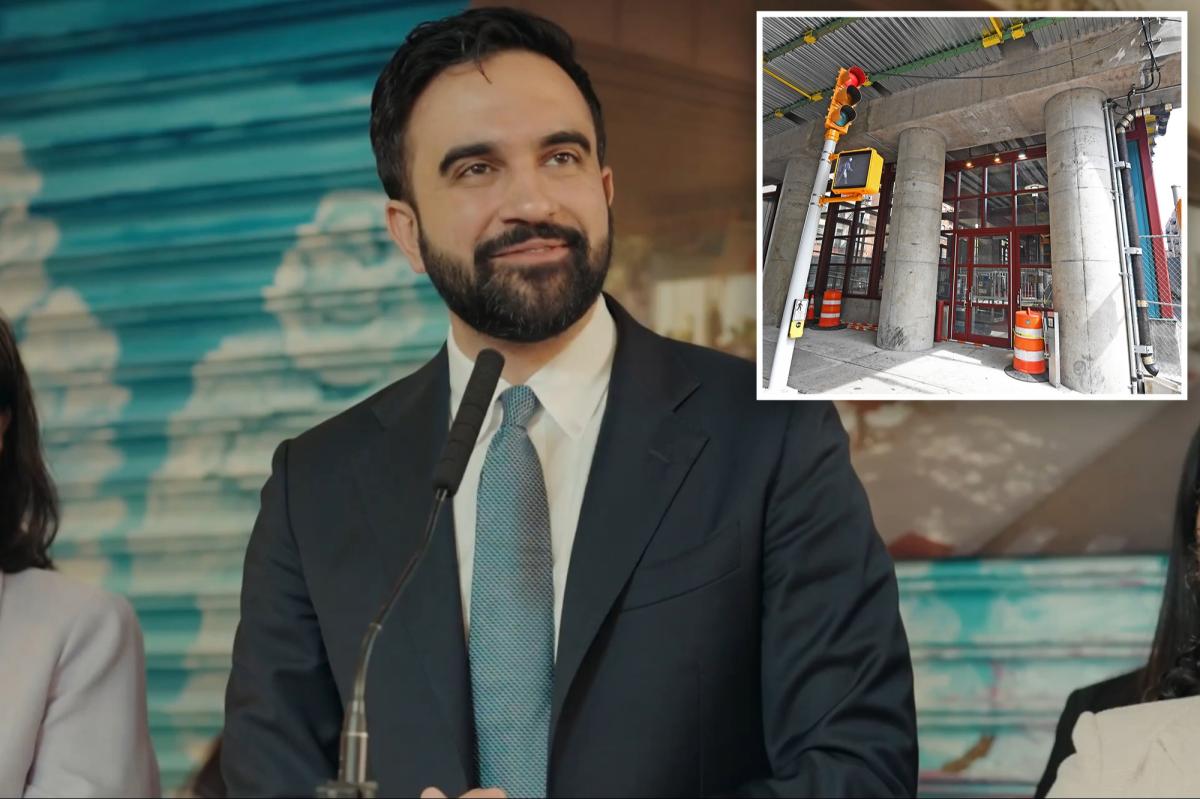
Mayor Zohran Mamdani unveiled an ambitious plan Saturday to establish publicly owned grocery stores across New York City, promoting the initiative as a solution to rising food costs. In a promotional video released by the Mayor’s Office, Mamdani compared the effort to Depression-era government interventions.
“New York City, it is time for a grand experiment once again,” Mamdani stated in the minute-long video shared across social media platforms. “Just as LaGuardia used government to respond to the challenges of the Great Depression, we will use government to respond to rising prices and unaffordable groceries.”
The video showcases a shopping cart filled with fresh produce, eggs, coffee, and other grocery items, with captions promising “affordable groceries for everyone.” This initiative fulfills one of Mamdani’s key campaign promises from his mayoral run last year, when he pledged to open government-operated grocery stores in all five boroughs.
Earlier this month, the administration announced that one location will be developed at the city-owned La Marqueta marketplace in East Harlem. The construction cost for this site alone is estimated at $30 million, which critics note is approximately four times the typical expenditure for building conventional supermarkets of similar size.
According to the mayor’s timeline, at least one store will open next year, with all five markets expected to be operational by 2029. The city has already allocated $70 million in capital funds for the construction of these markets, highlighting the administration’s significant financial commitment to the project.
“The city will subsidize a core set of staples: a private operator will run a store, but they answer to the standards that the city will set,” Mamdani explained in the video. “Bread will be cheaper. Eggs will be cheaper. Grocery shopping will no longer be an unsolvable equation, and workers will be treated with dignity.”
The mayor’s announcement comes amid rising concerns about food affordability in New York City, where grocery prices have increased substantially in recent years, outpacing wage growth for many residents. Food insecurity affects approximately 1.2 million New Yorkers, according to recent estimates from local food banks and advocacy organizations.
“This is what we mean by a new era,” Mamdani continued. “When New Yorkers are being priced out of their groceries, government will step in and deliver affordability.”
The plan has sparked considerable debate among New Yorkers and policy experts. Critics on social media have questioned the feasibility and efficiency of government-operated grocery stores, with some expressing skepticism about the city’s ability to deliver lower prices while covering operational costs.
“This is such a f–king con on so many levels,” wrote one critic on X (formerly Twitter), while another commented, “This is a cartoon for children. No person with any sense in their head is about to believe that a ‘new era’ of affordable grocery shopping is being ushered in. You don’t get something for nothing. You don’t get food for less than the cost of growing, packaging and delivering it.”
John Macari Jr., a retired NYPD officer and podcast host, questioned the specifics of the plan: “What is the price difference New Yorkers can expect from shopping here? Essentially define what ‘affordable’ will look like in city-owned grocery stores in 2029.”
The initiative represents one of the most significant public retail interventions by an American city in recent decades. While government-subsidized food programs exist across the country, direct operation of retail grocery outlets by municipal governments remains uncommon in the United States.
Economic experts remain divided on the potential success of the program. Proponents suggest that removing profit motives could indeed lower prices, while skeptics question whether the city can operate these stores efficiently without ongoing taxpayer subsidies that might exceed the intended benefits.
As the first store’s projected 2027 opening date approaches, New Yorkers will be watching closely to see if this “grand experiment” delivers on its promise of affordable groceries or becomes another costly government undertaking.
Fact Checker
Verify the accuracy of this article using The Disinformation Commission analysis and real-time sources.

8 Comments
An interesting idea, but I worry about the potential for political influence and cronyism in the management of these stores. Transparency will be key.
Government-run grocery stores could be a creative solution, but I worry about the potential for inefficiency and bureaucracy. I’d like to see more details on how they will be managed.
While I appreciate the intent to make groceries more affordable, I’m not convinced government-run stores are the best solution. I’d like to see more market-based approaches.
An interesting proposal to address rising food costs. I’m curious to see how the government-run grocery stores will be structured and priced to remain affordable for all.
Providing affordable groceries is a noble goal, but I’m skeptical about the long-term viability of this plan. Curious to see if it can be executed effectively.
This reminds me of past government interventions in the economy. I hope they’ve learned from history and can make this work in a sustainable way.
An ambitious plan, but I’m not convinced government-run stores are the best approach. I’d prefer to see policies that strengthen the private grocery sector and encourage competition.
This seems like a bold move by the mayor. I wonder how they plan to ensure these stores remain competitive and don’t crowd out private grocers in the area.